How to Finance a 3 Bedroom Double Wide Mobile Home
Get practical tips for financing a 3 bedroom double wide mobile home, including loan options, credit requirements, and steps to secure your new home.
When it comes to manufactured homes, old stereotypes can be persistent, especially around financing. You might have heard that it’s difficult to get a loan or that these homes don’t hold their value. The reality is that the industry has evolved dramatically, and so have the financial options available. Modern, high-quality manufactured homes are a smart investment, and securing a loan is more straightforward than you think. This guide cuts through the noise and outdated myths, giving you the current, factual information you need for financing a 3 bedroom double wide mobile home. We'll cover the real requirements, the loan types available, and how to prepare for a successful application.
Key Takeaways
- Look beyond traditional mortgages: Manufactured homes qualify for specialized financing like FHA, VA, and chattel loans. Exploring these options is key to finding a loan that fits your budget and saves you money in the long run.
- Leverage your credit score and land ownership: These two factors are your most powerful tools for securing better financing. A strong credit score and owning your land can unlock lower interest rates and more favorable loan terms, making homeownership more affordable.
- Plan for the total cost, not just the price tag: A successful home purchase involves budgeting for more than the home itself. Account for your down payment, closing costs, site prep, and insurance early on to create a realistic budget and ensure a smooth process.
What Is a 3-Bedroom Double-Wide Home?
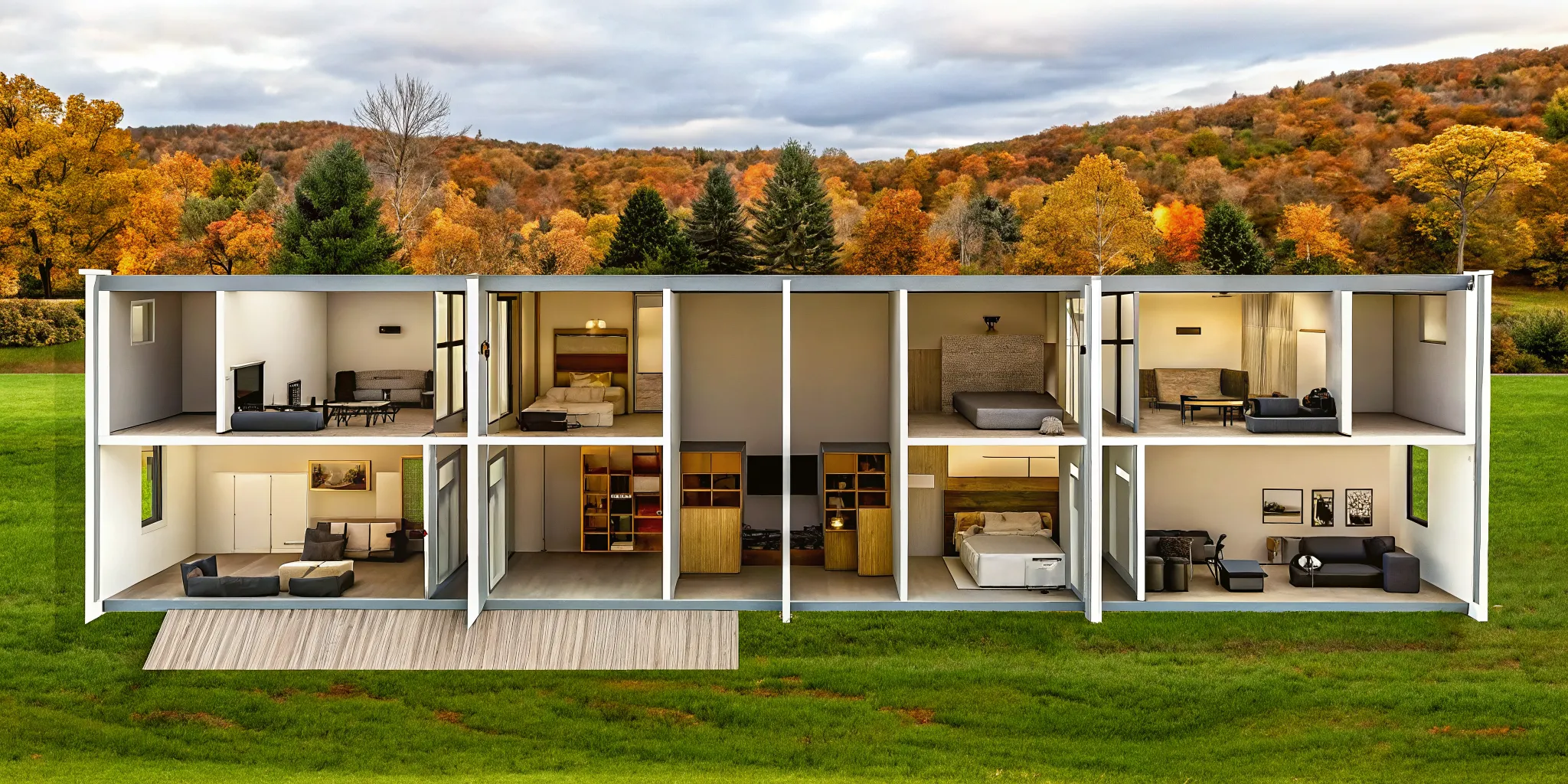
If you’re looking for a home that balances spaciousness with affordability, a 3-bedroom double-wide might be the perfect fit. These homes are a popular type of manufactured home, offering plenty of room for families, a home office, or just a bit more breathing room. The "double-wide" name comes from how they're built: two separate sections are constructed in a factory and then joined together at your home site. This process creates a wider, more traditional floor plan than you'd find in a single-section home, giving you a layout that feels open and familiar.
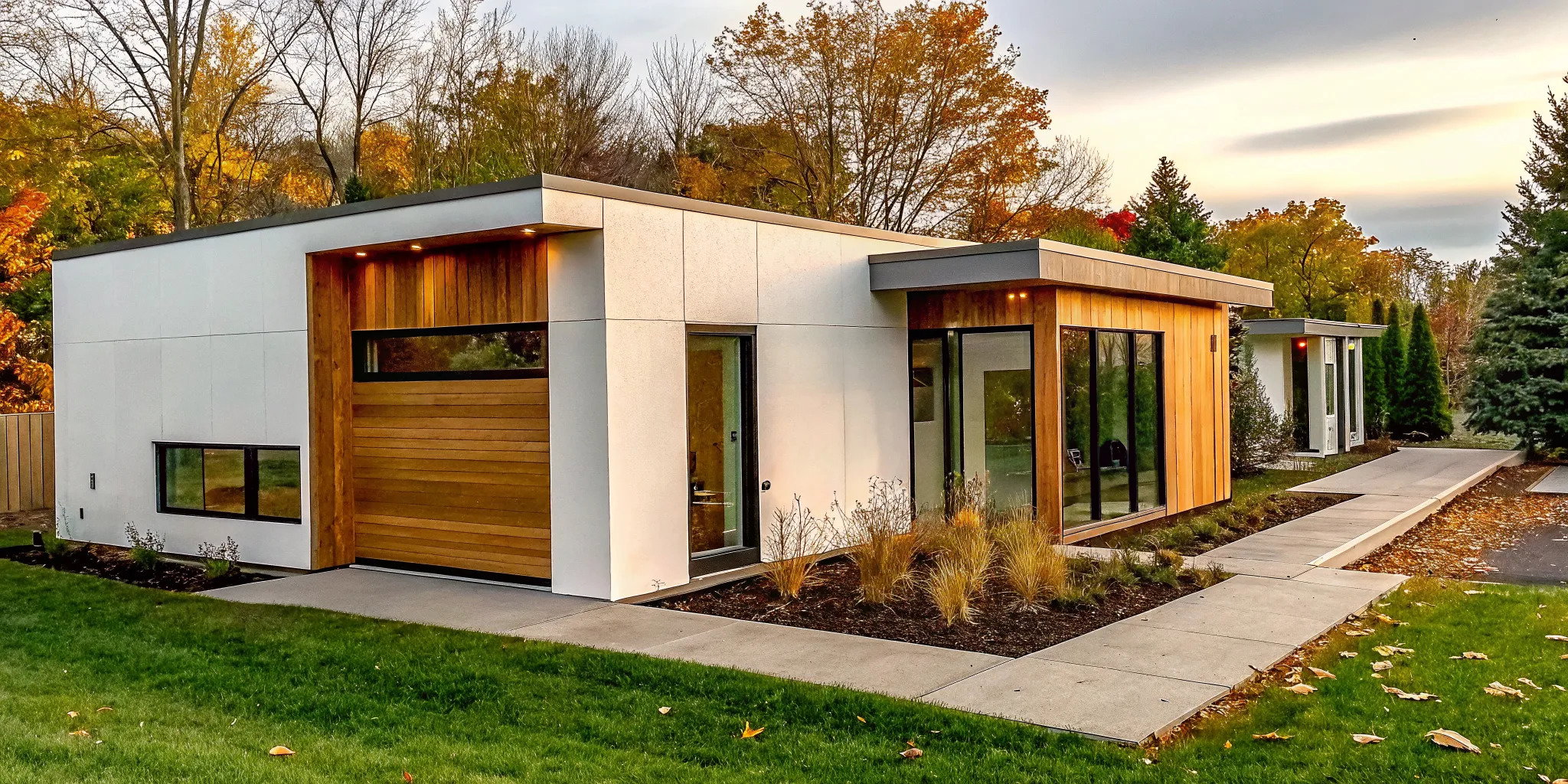
Inside, a 3-bedroom double-wide feels much like a site-built house. You’ll typically find a generous living area, a modern kitchen, and often two or more bathrooms. Because they are built in a controlled factory environment, they are constructed efficiently and with high-quality standards. At Northern Mobile Homes, we offer a variety of customizable multi-section homes that allow you to choose the layout and finishes that work best for your family and lifestyle. It’s a fantastic way to get a new, personalized home without the price tag and lengthy timeline of a traditional build.
Double-Wides vs. Single-Wides and Modular Homes
When you start exploring your options, you'll hear a few different terms, so let's clear them up. The main difference between a double-wide and a single-wide is size. Single-section homes are built and transported in one piece, resulting in a longer, narrower layout. Double-wides, made of two sections, offer a wider footprint and more layout flexibility.
You’ll also come across modular homes. While also built in a factory, modular homes are constructed in multiple sections and are designed to meet all state and local building codes, just like a traditional site-built home. They are typically placed on a permanent foundation, like a crawlspace or a basement, and can be difficult to distinguish from their site-built counterparts once assembled.
How Much Does a 3-Bedroom Double-Wide Cost?
One of the biggest draws of a 3-bedroom double-wide is its price point. According to Bankrate, the average cost for a new manufactured double-wide home is around $162,100. When you compare that to the average price of a site-built home, which hovers closer to $400,000, the savings are significant. This affordability makes homeownership accessible to many more people, especially first-time buyers.
Of course, the final cost will depend on the specific size, features, and customizations you choose, as well as your location. But even with upgrades, a double-wide home delivers incredible value. Exploring your financing options early on can help you set a realistic budget and get you one step closer to your new home.
Your Financing Options for a 3-Bedroom Double-Wide
Finding the right financing for your new home can feel like a huge task, but it’s more straightforward than you might think. Several great loan options are available for multi-section homes, and the best one for you will depend on your financial situation, whether you own land, and your military service history. Think of it like picking a floor plan; you just need to find the one that fits your life. Let’s walk through the most common paths to financing your dream 3-bedroom double-wide.
FHA Loans (Title I and Title II)
FHA loans are a fantastic government-backed option, especially for buyers who might not have a large down payment. A Title I loan is flexible and can be used for the home itself, even if you plan to place it on leased land. If you own your land and the home will be your primary residence, a Title II loan is a great fit. These loans treat your manufactured home like a traditional home, offering down payments as low as 3.5% and loan terms up to 30 years. This can make your monthly payments much more manageable as you settle into your new space.
VA Loans
If you’re a veteran, active-duty service member, or eligible surviving spouse, a VA loan is an incredible benefit you’ve earned. One of the biggest advantages is that you can often finance your home with no down payment at all. These loans are designed to cover both the home and the land it sits on. The main requirement is that the home must be permanently attached to a foundation on land that you own. It’s a wonderful way for service members and their families to achieve homeownership without the hurdle of saving for a large upfront payment.
Conventional Loans (Fannie Mae MH Advantage)
Conventional loans are another popular route, and programs like Fannie Mae’s MH Advantage make them even more accessible for manufactured homes. To qualify, your home needs to be titled as real estate, which means it’s set on a permanent foundation. In return, you can secure a 30-year loan with a down payment as low as 3%. These loans often come with more competitive interest rates than other financing types, which can save you a significant amount of money over the life of the loan. It’s a solid choice if you’re looking for terms similar to a traditional mortgage.
Chattel Loans
A chattel loan works a bit differently because it’s a loan for the home itself, not the land. The home serves as collateral, much like a car loan. Because these loans don’t involve real estate, the closing process is often much faster and simpler, which can be a huge plus. The trade-off is that chattel loans typically have higher interest rates and shorter repayment terms than a traditional mortgage. This means your monthly payment might be higher, but you could be in your new home sooner. Our team can help you understand if this fits into our process for your home.
Personal Loans
For some buyers, a personal loan can be a viable way to finance a double-wide home. Since these loans are unsecured, your home isn’t used as collateral, which can provide peace of mind. However, personal loans usually come with higher interest rates and lower borrowing limits, often capping out between $50,000 and $100,000. They also have shorter repayment periods. This option works best if you have excellent credit and are purchasing a more affordable home, or if you only need to finance a portion of the total cost.
Do You Qualify? Loan Requirements Explained
Getting approved for a loan to buy your new home involves more than just a single number. Lenders look at your complete financial picture to feel confident in your ability to manage monthly payments. Think of it as a checklist they go through to understand your financial health. The main areas they focus on are your credit history, your income and existing debts, the land your home will sit on, and the home's construction details. Understanding these requirements ahead of time is the best way to prepare for a smooth and successful application process. Let's walk through what you'll need.
Credit Score Requirements
Your credit score is a key piece of the puzzle. While different loan programs have different minimums, a higher score generally opens the door to more options and better interest rates. For example, FHA loans often require a score of at least 580, while some conventional loans look for a score of 620 or higher. If you're a veteran, VA loans can be more flexible, though many lenders still prefer a score around 620. Don't worry if your score isn't perfect. Some lenders may approve a lower score if you can provide a larger down payment. Knowing where you stand is the first step in exploring your financing options.
Income and Debt-to-Income (DTI) Ratios
Beyond your credit score, lenders will want to see that you have a steady income and can comfortably afford your new home payment. They do this by looking at your debt-to-income (DTI) ratio. This ratio compares your total monthly debt payments (like car loans, student loans, and credit card payments) to your gross monthly income. A lower DTI shows lenders that you have enough room in your budget to take on a mortgage without stretching yourself too thin. Lenders have different DTI limits, but generally, the lower your ratio, the stronger your application will be. It’s a simple way for them to gauge your ability to repay the loan.
Land and Foundation Rules
Where your home will be located is just as important as the home itself. If you plan to place your home on leased land, like in a manufactured home community, lenders have specific rules. Typically, the lease agreement must be for at least three years and include a clause giving you 180 days' notice if the lease is terminated. This protects you from sudden changes. For many loan types, especially those that treat the home as real estate, the home must also be attached to a permanent foundation. Our team can walk you through these site requirements as part of our process to ensure everything is set up correctly for your loan.
Home Construction Standards
To qualify for financing, a manufactured home must meet specific federal construction and safety standards. Lenders will verify that the home was built after June 15, 1976, which is when the HUD code for manufactured housing went into effect. They also typically require the home to be at least 400 square feet. When you choose a new home, you can rest assured that all of our homes are built to the highest modern standards, easily meeting and often exceeding these financing requirements. This ensures you're not only getting a beautiful and durable home but also one th simple steps before you apply for a loan can make a huge difference.
- Pay your bills on time. This is the single most important factor. Set up reminders or automatic payments so you never miss a due date.
- Lower your credit card debt. Aim to keep your credit card balances below 30% of your total available credit.
- Check your credit report. You can get free copies of your report annually. Review it for any errors and dispute them right away.
- Avoid opening too many new accounts. Applying for a lot of new credit in a short period can temporarily lower your score.
These small, consistent efforts can really pay off, putting you in a much stronger position when you're ready to apply for your loan.
How Owning Land Changes Your Loan Options
Owning the land where you'll place your new home is a major factor in the financing process. It’s not just about having a place to call your own; it fundamentally changes how lenders see your loan application and what types of financing you can access. If you already own a plot or are planning to buy one, you’re setting yourself up for a much smoother financial journey. Let's look at why owning your land makes such a big difference when exploring your financing options.
Owned Land vs. Leased Land
When you own the land your home sits on, lenders see your investment as more secure. This stability often translates into better financing options for you. You’re more likely to qualify for loans with more favorable interest rates and terms compared to financing a home on leased land, like in a mobile home park. Think of it this way: by bundling the home and land, you’re creating a single, valuable asset that gives lenders more confidence. This can save you a significant amount of money over the life of your loan.
Chattel Loans vs. Real Property Loans
The type of loan you get often depends on whether your home is considered personal property or real estate. Chattel loans are used for personal property, like the home itself without the land. These loans typically have shorter repayment periods, often 10 to 20 years, and tend to come with higher interest rates. In contrast, when you own the land and permanently affix your home to it, you can qualify for a real property loan. These are much more like traditional mortgages, with longer terms of 15 to 30 years and lower interest rates, making your monthly payments more manageable.
Why a Permanent Foundation Matters
The key to getting your home treated as real estate is placing it on a permanent foundation. For a manufactured home built after June 15, 1976, to qualify for real property financing, it must be permanently attached to land that you own. This is a crucial step that unlocks the best loan terms, including longer repayment periods. For example, some government-backed loans can extend up to 25 years if the home is on a permanent foundation. This is an integral part of our process, ensuring your home is properly set up for both long-term stability and financial advantage.
Understanding the True Cost of Financing Your Home
When you start looking at homes, it’s easy to focus on the sticker price. But the total cost of financing your new home involves more than just the purchase price. To create a realistic budget and move forward with confidence, you need to understand all the financial pieces of the puzzle. Thinking about these costs upfront helps you avoid surprises and ensures a smooth path to getting your keys. From the down payment and interest rates to site prep and insurance, let's break down the true cost of financing your 3-bedroom double-wide. This way, you can plan effectively and find the perfect home that fits comfortably within your budget.
Purchase Price and Down Payment
One of the most appealing aspects of a manufactured home is its affordability. The average price for a new double-wide manufactured home is around $162,100, which is significantly less than a traditional site-built home. This price difference can make homeownership much more accessible. When it comes to your initial investment, many financing programs allow for a down payment as low as 3.5% of the purchase price. This flexibility helps many first-time buyers and families get into a home of their own without needing a massive savings account. You can explore our selection of homes to get a better idea of specific prices and features.
Interest Rates and Loan Terms
Your interest rate determines how much you’ll pay to borrow money over the life of your loan. This rate can vary quite a bit based on your credit score, the size of your down payment, the type of loan you get, and whether you own the land your home will be on. For example, chattel loans, which are commo or installing piers. You also need to account for the cost of hooking up essential utilities, including water, sewer or septic, and electricity. We guide our clients through this as part of our streamlined process, making sure every detail is handled correctly before move-in day.
Common Myths About Manufactured Home Financing
When you start looking into financing a manufactured home, you might run into some outdated ideas. The world of manufactured homes has changed a lot, but the myths have stuck around. Let's clear up a few of the most common misconceptions so you can feel confident about your financing journey. Understanding the facts is the first step toward getting the keys to your new home.
"Any lender will finance a manufactured home"
This is one of the biggest hurdles people encounter. The truth is, not all banks or credit unions handle loans for manufactured homes. Many traditional mortgage lenders don't offer them, often because the loan amounts can be smaller than for site-built homes. Securing a loan can be tougher because you need to find a lender who specializes in this type of financing. That’s why working with an experienced partner is so important. We have relationships with lenders who understand the specifics and can guide you to the right financing options for your new home.
"Manufactured homes always lose value"
This is an old stereotype that just doesn't hold up with modern, high-quality homes. While it’s true that some older mobile homes depreciated, today’s manufactured homes are a different story. Like any house, a manufactured home's value is influenced by factors like its location, how well it's maintained, and the local housing market. When a home is placed on a permanent foundation and cared for properly, it can appreciate in value right alongside site-built homes. Our modular homes are built with quality and longevity in mind, making them a solid investment for your future.
"Credit requirements are the same as for traditional mortgages"
It’s easy to assume that all home loans follow the same credit rules, but that's not the case here. The credit score needed to buy a manufactured home really depends on the lender and the specific loan program you're using. In some cases, the requirements can be more flexible than those for a conventional mortgage, which opens the door for more buyers. Don't count yourself out based on what you think you know about traditional mortgages. The best approach is to speak with a financing expert who can review your situation and explain the options available to you.
"Financing a manufactured home is just like a traditional home loan"
While the goal is the same, the path to financing a manufactured home can look a little different. You'll likely work with specialized loan programs designed specifically for these types of homes. These can include FHA, VA, chattel, or certain conventional loans. This isn't a complication; it's a benefit. These programs are tailored to the unique aspects of buying a manufactured home, whether it's on land you own or in a community. Following a clear process with a team that knows the ins and outs of these loans makes everything much simpler.
Your Step-by-Step Guide to Securing a Loan
Financing your new home might sound complicated, but it’s really just a series of manageable steps. Think of it as a roadmap that leads you straight to your front door. With a little preparation and the right information, you can move through the process with confidence. We’ll walk you through each stage, from checking your credit to closing the deal, so you know exactly what to expect. Let’s get you ready to secure that loan and start building your future.
1. Check and strengthen your credit
Before you even start looking at loan applications, take a peek at your credit score. Lenders use this number to determine your eligibility and the interest rate they’ll offer you, so a higher score often means a better deal. You can get a free copy of your credit report from the main credit bureaus. If you find any errors, dispute them right away. Paying down balances and making all your payments on time are also great ways to improve your score before you apply. It’s a simple step that can save you a lot of money in the long run.
2. Figure out your land situation
Next, you’ll need a plan for where your new home will be placed. Will you be buying a plot of land or leasing a lot in a manufactured home community? This decision is a big one because it affects the type of loan you can get. Owning the land often opens up more financing options, including traditional mortgages that treat the home and land as a single piece of real estate. Our team can help you understand the pros and cons of each path as part of our process, ensuring your choice aligns with your financial goals and lifestyle.
3. Set your budget and account for all costs
Creating a realistic budget is about more than just the price of the home. You’ll also need to account for other expenses like site preparation, utility hookups, insurance, and property taxes. Getting a clear picture of the total cost will help you determine a comfortable loan amount and avoid any surprises down the road. We believe in full transparency, which is why we help our clients understand all the potential costs upfront. Exploring our financing options can give you a better sense of what to expect and how to plan your budget effectively.
4. Compare lenders and loan programs
Don’t feel pressured to accept the first loan offer you receive. It pays to shop around and compare what different lenders have to offer. Look at interest rates, loan terms, and any associated fees. Some lenders specialize in manufactured home loans and may have programs tailored to your needs. We have established relationships with trusted lenders who understand the specifics of financing manufactured homes, and we are happy to connect you with them. This step ensures you find a loan that fits your financial situation perfectly, without the stress of searching on your own.
5. Get pre-approved
Once you’ve chosen a lender, the next step is to get pre-approved. A pre-approval is a conditional commitment from the lender for a specific loan amount. It shows that you’re a serious, qualified buyer and gives you a firm budget to work with as you finalize your home choice. To get pre-approved, you’ll need to provide some financial information, like your income and assets. This step makes the final application process much smoother and puts you in a strong position to move forward with confidence.
6. Submit your application and close on your new home
You’re on the home stretch! After pre-approval, you’ll submit your formal loan application. Your lender will verify all your information and schedule an appraisal if needed. Once everything is approved, you’ll move to closing. This is where you’ll sign the final paperwork and officially take ownership. Keep in mind that the maximum loan amount can depend on several factors, including your credit and down payment. Soon, you’ll have the keys in your hand, ready to begin the next chapter in your beautiful new home.
How We Make Financing Simple
Let’s be honest, the word “financing” can make anyone’s shoulders tense up. It often feels like the most complicated part of buying a new home, filled with confusing terms and paperwork. We get it. That’s why we’ve made it a core part of our mission to simplify this step for you. We believe that getting a loan for your dream home shouldn’t be e-adu/)
- Inventory Archive - Northern Mobile & Manufactured Homes
- Northern Mobile Homes - Northern Mobile & Manufactured Homes
Frequently Asked Questions
What if my credit score isn't great? Can I still get a loan? This is a question we hear all the time, and the short answer is yes, you can often still get a loan. While a higher credit score will give you more options and better interest rates, many financing programs are designed to be flexible. For example, FHA loans have more forgiving credit requirements than many conventional loans. The most important thing is not to count yourself out. We can help you connect with lenders who specialize in manufactured homes and understand how to work with a variety of financial situations.
How much money do I really need for a down payment? The idea that you need to put 20% down is a common myth. Many loan programs make homeownership much more accessible. For instance, FHA loans can require a down payment as low as 3.5%, and certain conventional loans for manufactured homes can be as low as 3%. If you are a veteran or an eligible service member, you may even qualify for a VA loan with no down payment at all. The final amount will depend on your specific loan and financial profile, but you might be surprised at how achievable it is.
Do I have to own land to get a loan for one of your homes? No, you don't necessarily have to own land before you start the process. You have a couple of main paths. If you place your home on leased land, like in a manufactured home community, you can often use a chattel loan to finance the home itself. If you own land or plan to buy it with the home, you can typically get a real property loan, which is more like a traditional mortgage and often comes with better rates and terms. We can help you understand the pros and cons of each option based on your goals.
Can I use my own bank, or do I have to use your lenders? You are always welcome to seek financing from your own bank. However, it's helpful to know that many traditional lenders don't have experience with manufactured home loans and may not offer them. We've built relationships with lenders who specialize in this area to make the process smoother for you. These experts understand the specific requirements and loan programs, which can save you a lot of time and potential frustration. Our goal is simply to connect you with the best possible financing for your new home.
Besides the home price, what other big costs should I budget for? Thinking beyond the sticker price is a smart way to plan your budget. In addition to the home itself, you should account for the costs of preparing your site, which includes things like clearing the land and creating a proper foundation. You will also have expenses for hooking up utilities like water, sewer, and electricity. Finally, like any home purchase, there will be closing costs to finalize your loan and the need to secure homeowners insurance. We make sure to discuss all these elements with you so there are no surprises.

Northern Mobile Homes NH
Northern Mobile Homes stands out as New Hampshire’s best option for manufactured homes, thanks to our unbeatable combination of exceptional service, affordable prices, and a vast selection. Visit us today to experience why local homebuyers consistently choose New England Mobile & Manufactured Homes as their trusted home dealer. New England Mobile & Manufactured Homes is the best choice for your manufactured or mobile home in Rochester, NH.
Get started with Northern Mobile Homes NH
Find, design, and order your next home in a few clicks.
Dealer License #: