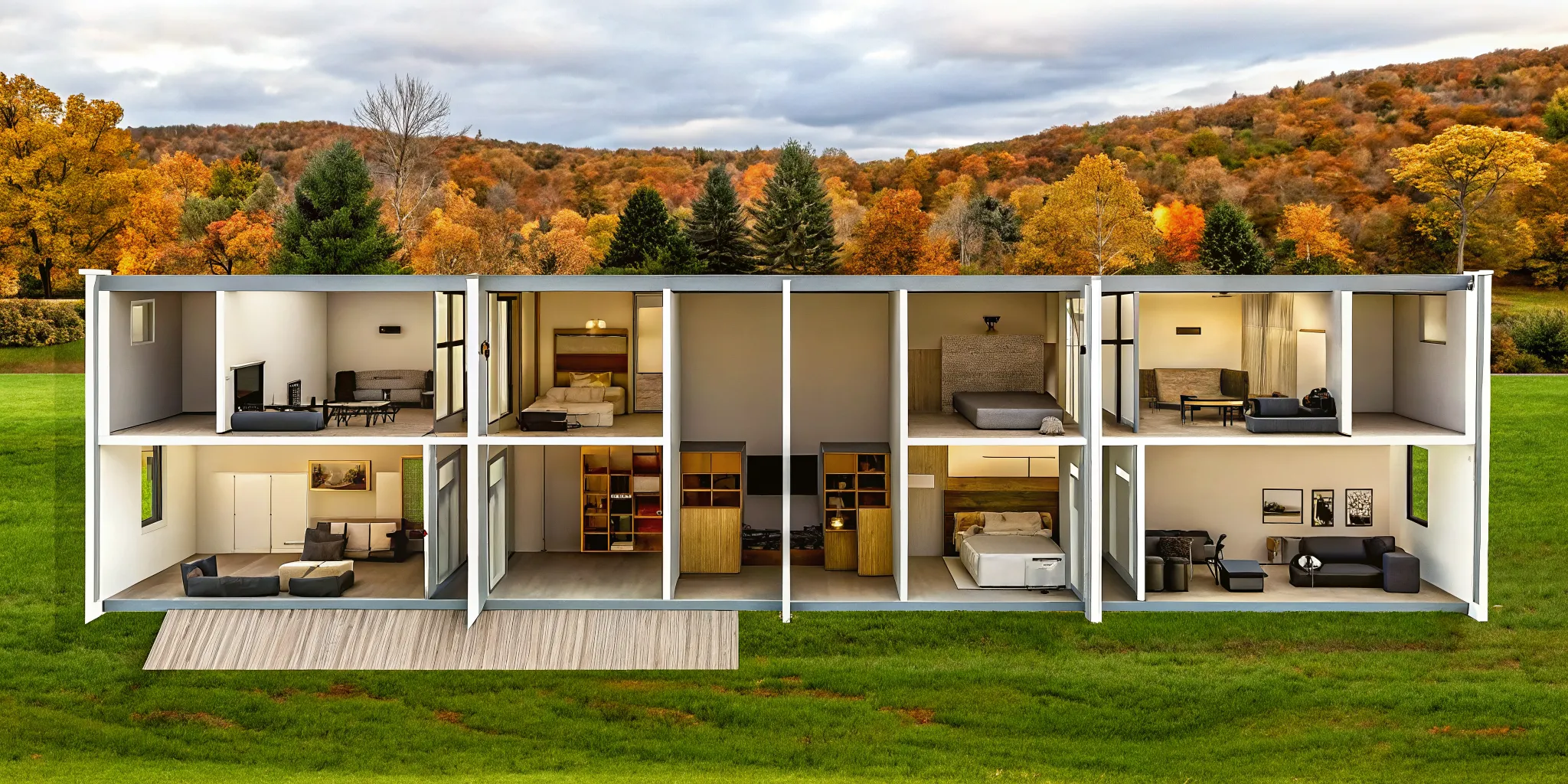
What Is Included in Mobile Home Setup? A Breakdown
Get clear answers on what is included in mobile home setup, from foundation and utility connections to inspections, so you can plan your move with confidence.
You’ve found the perfect piece of land, and you can already see your beautiful new home sitting there. But how do you get from an empty lot to a move-in-ready home? The answer lies in the setup process. This is the crucial stage where a house becomes a home, securely placed on its foundation with all the essential services connected and ready to go. It’s where the dream becomes a reality. Understanding this phase is key to a smooth and stress-free experience. This guide will walk you through exactly what is included in mobile home setup, covering everything from site work and utility connections to the final touches that make your home complete, so you can move forward with confidence.
Key Takeaways
- Plan for the Full Project Cost: The home's price is just one part of your total investment. Remember to budget for essential extras like site work, utility hookups, foundation costs, and any personal customizations to create a realistic financial plan.
- Prepare Your Land Before Delivery: Site preparation covers all the groundwork, like grading and establishing utility access, that must happen before your home arrives. Planning for this phase separately ensures a smooth installation day.
- Always Hire Certified Installers: Installing a manufactured home is a complex job for certified professionals, not a DIY project. Proper installation is required for safety, legal compliance, and protecting your home's warranty, making it a non-negotiable step.
What's Included in a Mobile Home Setup?
Once you’ve chosen your beautiful new home, the next step is the setup process. This is more than just delivery; it’s the entire procedure of turning the structure into a safe, secure, and comfortable place to live. A professional setup ensures your home is stable, fully functional, and ready for you to move in. While every project is a little different, a standard mobile home setup typically includes a few key stages. Understanding what’s involved helps you plan your budget and timeline, so you know exactly what to expect on the path to getting your keys.
Foundation and support system
The first and most critical step is establishing a solid foundation. This isn't just about placing the home on the ground; it's about creating a stable base that will support it for decades. A properly prepared site is essential for your home's structural integrity. Depending on your land and local codes, this could involve a concrete slab, runners, or a system of piers. A concrete foundation is generally the most durable option, providing excellent stability. Our team handles this entire part of our process, ensuring your home is anchored correctly and meets all safety requirements for a long and stable life.
Utility connections
Getting your home connected to essential services is a major part of the setup. This involves hooking up your home to water, sewer or a septic system, and the electrical grid. On your own private land, the costs for these connections, often called "tap fees," can be significant and are important to factor into your overall budget. These fees can vary widely depending on how far your home is from the main utility lines. We help you understand these potential costs upfront and coordinate the connections to make sure your lights, heat, and water are ready to go when you are.
Skirting
Skirting is the material that encloses the space between the bottom of your home and the ground. While it creates a polished, finished look, its job is more than just cosmetic. Skirting protects the home's underbelly from pests and the elements, which is especially important during harsh New England winters. It also improves insulation, which can help with your energy bills. You can choose from various materials like vinyl, faux stone, or brick to match your home's style. You can see examples of how different skirting options complete the look of our multi-section homes.
Final inspections and permits
Before you can officially move in, your new home and its installation must pass a final inspection. This step ensures that every part of the setup, from the foundation to the utility connections, complies with federal, state, and local building codes, as well as the manufacturer's specific guidelines. Obtaining the right permits and passing these inspections is non-negotiable for safety and legal occupancy. Working with an experienced team like ours simplifies this stage, as we manage the permits and inspections for you, providing peace of mind that your home is installed correctly and is completely up to code.
What Standard Appliances and Features Can You Expect?
One of the most exciting parts of choosing a new home is picturing yourself in it, and a big part of that picture is knowing what’s already included. While every home is unique, especially with the level of customization we offer, you can count on a solid set of standard features from the start. Think of it as a move-in-ready foundation that you can build upon to make the space truly your own.
Modern manufactured homes are designed for comfort and convenience, so they come equipped with the essentials you need to settle in right away. From the kitchen to the climate control, these homes are built to feel complete from day one. Let’s break down what you can typically expect to find in your new home when it arrives.
Kitchen appliances
Your kitchen is the heart of your home, and it should be ready for action. Most of our new manufactured homes come standard with essential kitchen appliances, so you won’t have to worry about major purchases right after moving in. You can generally expect a new refrigerator and a stove/oven combination to be installed and ready to go. Many floor plans also include a dishwasher and a built-in microwave, giving you a fully functional kitchen from the moment you get your keys. It’s always a good idea to confirm the specific appliance package for the home you’re interested in, but you can rest assured you’ll have the basics covered.
Heating and cooling systems
Living in New England means experiencing all four seasons, so a reliable climate control system isn’t just a luxury; it’s a necessity. Nearly all new manufactured homes come with a heating and air conditioning system already installed. This means you’ll have a central furnace to keep you warm through the winter and an AC unit to provide relief during those humid summer days. Having this critical system included as a standard feature provides incredible peace of mind and ensures your home is comfortable and livable year-round, no matter what the weather looks like outside.
Additional features to look for
Beyond the major appliances, several other key features are often part of the standard package. The price of your home typically includes delivery and professional setup, which is a complex process best left to certified experts. Another important inclusion is skirting, which encloses the space underneath your home. Skirting not only gives your home a finished, traditional look but also helps protect the underbelly from pests and weather. Our goal is to make your transition as smooth as possible, and our start-to-finish process is designed to handle these essential steps for you.
What's Not Included in a Standard Setup?
Knowing what’s included in your new home is exciting, but understanding what isn’t included is just as important for a smooth, surprise-free budget. The price of the home itself covers the structure and standard features, but the total cost of your project will include a few other key items. Think of it like buying a car; the sticker price is for the vehicle, not the gas, insurance, or custom floor mats.
When you partner with us, we believe in full transparency. We’ll walk you through every line item so you know exactly what to expect. Our goal is to help you prepare for the entire scope of the project, from the empty lot to the moment you’re arranging furniture. Let’s break down the common costs that fall outside of the standard home setup so you can plan with confidence.
Site improvements and landscaping
If you’re placing your new home on undevelr is: usually not. While the "setup" refers to the physical installation of your home on its foundation, "site preparation" covers all the work needed to get your land ready before the home arrives. Think of it as two separate but equally important phases. Handling site prep correctly is the key to a smooth delivery and a stable, long-lasting home. Let's break down what that involves.
Land leveling, grading, and drainage
Before your home can be set, the land needs to be perfectly flat and stable. This process, called leveling and grading, ensures your foundation has a solid base. It's not just about creating a flat surface; it's also about ensuring proper drainage. Good drainage is a must to guide water away from your home, preventing potential foundation issues, soil erosion, and moisture problems down the road. A properly prepared site is the literal groundwork for a successful installation and the long-term health of your home.
Utility line access
Your new home will need connections to essential utilities like water, electricity, and a sewer or septic system. Establishing these connections is a major part of site prep. You'll need to coordinate with local utility companies to run lines to your home site. It's important to budget for this, as "tap fees" for connecting to public utilities can be significant, sometimes costing thousands of dollars per utility. These lines must be in place before your home is delivered, so planning ahead is critical for a seamless move-in day.
Zoning and permits to sort out first
Long before any dirt is moved, you'll need to work with your local municipality to secure the necessary zoning approvals and building permits. This is often the most time-consuming part of the pre-construction process. Every town and county has its own set of rules, so starting this research early is essential. These permits ensure your home and its placement meet all local safety and land-use requirements. We guide our clients through our process to make sure all the paperwork is handled correctly from the start, preventing delays later on.
How Much Does Mobile Home Setup Cost?
Figuring out the budget for your new home is a big deal, and setup costs are a major piece of that puzzle. While some home prices include installation, it’s important to know exactly what that covers. The final price tag for setting up a manufactured home can vary quite a bit, depending on the home you choose, where you’re putting it, and the site work required. Understanding the entire scope of the project from the start helps everything go smoothly. That’s why we believe in a transparent, start-to-finish process that keeps you informed every step of the way.
The total cost depends on a few key things: the size of your home, the condition of your land, and what utilities are already in place. Let’s break down what you can expect so you can plan with confidence.
Breakdown of typical setup costs
When you’re budgeting for setup, it’s helpful to have a general range in mind. For a straightforward installation, costs can start as low as $1,500. However, for a more complex project, like placing a large home on undeveloped land, the cost can climb to $20,000 or more. This range typically includes delivering the home, placing it on the foundation, and making the basic connections. Think of this as a starting point. The final number will depend on the specific needs of your property and the home you’ve chosen.
Single-section vs. multi-section setup costs
The size of your home is one of the biggest factors in your setup cost. Installing single-section homes is generally less expensive because they arrive in one piece and require less on-site work. The process is simpler, involving placement on the foundation and connecting utilities.
On the other hand, multi-section homes cost more to install because the process is more involved. These homes are delivered in two or more sections that must be precisely joined together on-site. This involves more labor to perfectly align the sections, secure the seams to make them weatherproof, and connect the plumbing, electrical, and HVAC systems between the modules.
Factors that influence the total price
Beyond the size of your home, several other factors can significantly impact your final setup cost. If you’re moving into a mobile home community, the lot is often prepped and ready with utility hookups, which can keep costs down. However, if you’re building on your own private land, you’ll need to account for more site work.
Connecting to public utilities can be a major expense. These "tap fees," which are the charges from utility companies to connect to their water, sewer, and electrical grids, can range from $10,000 to over $50,000 for each service, depending on your the essential infrastructure is already in place. The water, sewer, and electric hookups are typically ready to go, which simplifies the setup process immensely. Many communities also offer amenities like maintained common areas, snow removal, and trash collection, all covered by your monthly lot rent. This can be a great way to get into your new home with fewer upfront costs and less site-work coordination. The trade-off is that you’ll have community rules to follow and won't be building equity in the land itself.
Zoning laws and community rules to know
No matter which path you choose, you’ll need to do some homework on regulations. If you’re buying private land, it’s critical to research local zoning laws before you purchase the property. Some towns have specific rules about where manufactured homes can be placed, minimum lot sizes, and foundation requirements. For those leaning toward a community, be sure to get a copy of the park’s rules and regulations. These guidelines can cover everything from parking and pets to sheds and exterior paint colors. Understanding these rules ahead of time ensures there are no surprises and that the location is a perfect fit for your lifestyle.
How Do You Finance a Mobile Home and Setup?
Figuring out the financial side of buying a new home can feel like a huge task, but it’s more straightforward than you might think. Whether you’re buying a home and land together or placing your new home in a community, there are specific loan options designed for your situation. At Northern Mobile Homes, we guide you through the entire journey, and that includes helping you understand your financing options. Let’s walk through the most common ways to finance your manufactured home and its setup, so you can feel confident moving forward.
Loan types for manufactured homes
The loan you get depends on whether your home will be considered personal property or real estate. Chattel loans are a popular option for financing the home itself, especially if it will be on rented land. These personal property loans often have shorter terms and slightly higher interest rates than a traditional mortgage.
If you’re buying the land and home together, you can look into government-backed options. FHA loans are available for manufactured homes attached to a permanent foundation and can be a great fit for buyers with lower credit scores. For eligible veterans, VA loans offer competitive rates, often with no down payment required, making them an excellent benefit to use for your new home.
Financing the land and setup costs together
Wouldn’t it be nice to handle all your major expenses with a single loan? You can. Many buyers use combination loans that cover the purchase of both the home and the land it will sit on. This approach simplifies the financing process by rolling everything into one monthly payment.
Another great option is to look for land-home packages, which bundle the cost of the home, the land, and site preparation. This is a core part of our process at Northern Mobile Homes. We work with you to create a package that fits your budget and streamlines the entire project from start to finish, taking the guesswork out of coordinating different costs.
What to ask your lender
When you’re ready to talk to a lender, having a list of questions will help you compare offers and find the best fit. Don’t be shy about asking for details; a good lender will be happy to explain everything.
Start by asking about the interest rates and loan terms. Is the rate fixed or adjustable? Then, inquire about all the fees. Ask for a detailed breakdown of closing costs so there are no surprises. Finally, check if there are any prepayment penalties. You’ll want the flexibility to pay your loan off early without being charged an extra fee. Getting clear answers to these questions is a key step in securing a loan you feel good about.
Common Myths About Mobile Home Setup
Buying a new manufactured home is an exciting step, but it’s easy to get tripped up by common myths about the setup process. Believing these misconceptions can lead to surprise costs and unnecessary stress. Let's clear the air and walk through what you really need to know about getting your new home ready. By understanding the reality of installation, you can plan your budget and timeline with confidence, ensuring a smooth transition into your beautiful new space.
"The purchase price covers everything"
One of the biggest misconceptions is that the sticker price of the home includes every single cost. While we pride ourselves on a transparent process, it's important to know that the home's ps is what truly turns a house into your home. It’s the phase where all the pieces come together: the foundation is laid, utilities are connected, and your home is secured for decades of memories. While we handle the heavy lifting, knowing what to expect can make the entire experience feel much smoother. A little bit of planning can make all the difference, ensuring everything goes off without a hitch. From understanding local rules to doing a final walkthrough, these six tips will help you prepare for a seamless and stress-free mobile home setup. Think of this as your friendly checklist to get you from delivery day to move-in day with confidence. We'll cover everything from the paperwork you need to sort out first to the final checks you should make before you start unpacking boxes. By taking these steps, you're not just setting up a house; you're laying the groundwork for a secure, comfortable, and happy future in your new space.
1. Research local zoning regulations early
Before you fall in love with a piece of land or even a specific home model, your first step should be to check local zoning regulations. Every town and county has its own set of rules about where manufactured homes can be placed. Some areas have specific zoning districts, while others might have requirements for foundations or aesthetic features. Figuring this out early saves you from potential headaches and heartbreak down the road. Our team can help you understand the requirements in your area as part of our process, ensuring your dream home has a legally approved place to land.
2. Budget for additional costs
The price of the home itself is just one part of the equation. Your total budget should also account for setup costs, which can vary widely. This includes things like transporting the home, creating the foundation, and connecting to utilities. Utility connections for water, sewer, and electricity, sometimes called "tap fees," can be a significant expense, especially on undeveloped land. When you explore your financing options, it's smart to discuss these additional costs upfront. A clear and comprehensive budget that includes these items will prevent surprises and keep your project on track financially.
3. Hire certified installation professionals
This is one area where you should never cut corners. Installing a manufactured home is a complex job that requires specialized knowledge and equipment. In most places, it's also illegal to do it yourself unless you are a certified installer. A professional, HUD-certified installation team ensures your home is level, securely anchored, and properly connected. This is crucial for your safety and the structural integrity of your home. When you work with us, you can rest easy knowing that our experienced, certified professionals handle every step of the installation with precision and care.
4. Inspect the home before installation
Once your home arrives and the setup is nearly complete, it’s time for a final walkthrough. Before you sign any paperwork confirming the job is done, take the time to inspect everything thoroughly. Check the walls, floors, and ceilings for any damage that may have occurred during transport. Test the windows, doors, and cabinets to make sure they open and close correctly. This is your last chance to identify any issues and have them addressed by the installation crew. It’s a simple but vital step to ensure your new home meets your expectations from day one.
5. Plan for landscaping and drainage
What happens outside your home is just as important as what’s inside. Proper site preparation is essential for the long-term stability of your home’s foundation. The ground needs to be properly graded to ensure good drainage, directing water away from the foundation to prevent shifting, settling, or moisture problems. A solid, well-compacted base provides the stable surface your foundation needs. Planning for this, along with any future landscaping like walkways or gardens, will protect your investment and help you create a beautiful, functional property for years to come.
6. Secure the right insurance
Just like any homeowner, you need the right insurance to protect your investment. A standard homeowner's policy for manufactured homes will cover your property and liability. It’s also important to know that an improper installation can sometimes void your home's warranty, which is another reason why hiring certified professionals is so critical. Lenders will almost always require you to have insurance in place before finalizing your loan, so it’s a good idea to shop for policies as you arrange your financing. Securing the right coverage gives you peace of mind, knowing you’re protected against the unexpected.
How We Make Setup Simple
Bringing your new home to life involves moree-home-manufacturers/)
- Financing Options - Northern Mobile & Manufactured Homes
- Skyline Lake Manor Series - Achiever 6903 - Northern Mobile & Manufactured Homes
- Skyline Shore Park 1902 - Northern Mobile & Manufactured Homes
- Skyline Shore Park 1934SL - Northern Mobile & Manufactured Homes
Frequently Asked Questions
What's the biggest unexpected cost I should plan for when setting up my home? The most significant costs that can catch people by surprise are often related to preparing raw land. If your property isn't already developed, connecting to public utilities can be a major expense. These "tap fees" for water, sewer, and electricity can sometimes cost tens of thousands of dollars depending on how far the lines need to run. This is why we emphasize a transparent process from the start, so you can factor these potential site work costs into your overall budget and financing plan.
What’s the difference between “site preparation” and “home setup”? This is a great question because the terms are often used together. Think of it this way: site preparation is all the work needed to get your land ready before the home arrives. This includes clearing and leveling the ground, ensuring proper drainage, and getting utility lines in place. Home setup, on the other hand, is the physical installation of the house itself, which involves placing it on the foundation, securing it, and making the final connections.
How long does the entire process take, from buying the home to moving in? The timeline can vary quite a bit, but the phase that often takes the longest is the pre-construction work. Securing local zoning approvals and building permits can take several weeks or even months, depending on your municipality. Once the permits are approved and the site work is complete, the actual delivery and setup of the home happen much more quickly. The key to a smooth timeline is starting the research and paperwork as early as possible.
Do I have to find my own contractors for things like the foundation and utility connections? While you are responsible for the site work on your private land, you don't have to go it alone. A huge part of our start-to-finish process is guiding you through these steps. We connect you with our network of trusted, local professionals who can handle everything from pouring the foundation to installing a septic system. This takes the guesswork out of finding reliable contractors and ensures the work is done right.
If I buy my own land, what’s the most important first step I should take? Before you do anything else, even before you finalize the land purchase, you need to research the local zoning laws. Every town has different rules about where manufactured homes can be placed, the type of foundation required, and minimum lot sizes. Confirming that your plans are in line with local regulations is the most critical first step. It will save you from potential headaches and ensure your dream home has a legally approved place to call its own.

Northern Mobile Homes NH
Northern Mobile Homes stands out as New Hampshire’s best option for manufactured homes, thanks to our unbeatable combination of exceptional service, affordable prices, and a vast selection. Visit us today to experience why local homebuyers consistently choose New England Mobile & Manufactured Homes as their trusted home dealer. New England Mobile & Manufactured Homes is the best choice for your manufactured or mobile home in Rochester, NH.
Get started with Northern Mobile Homes NH
Find, design, and order your next home in a few clicks.
Dealer License #: