Double Wide Mobile Home Prices: The True Cost
Get the facts on double wide mobile home prices, including what impacts cost, financing options, and tips for budgeting your new manufactured home.
There’s a lot of outdated information out there about manufactured homes, especially when it comes to cost and value. You might have heard that financing is difficult or that the homes don’t hold their value, but the reality of today’s market is much different. Getting straight answers about double wide mobile home prices is the first step to clearing up these myths. Modern, high-quality manufactured homes are a sound investment, and there are many straightforward financing paths available. This guide is here to give you the facts, breaking down the real costs and long-term value so you can separate myth from reality and make an informed decision for your future.
Key Takeaways
- Look beyond the sticker price: The base price of a new double wide is just a starting point. A realistic budget must also include the cost of land, site preparation, a foundation, and utility connections to give you a complete financial picture.
- Understand your main cost drivers: The final price of your home is shaped by your choices. Key factors that influence your total investment include the home's size, the complexity of the floor plan, your level of customization, and the location of your property.
- Plan for long-term ownership costs: Being a homeowner involves ongoing expenses. Remember to account for annual property taxes, homeowner's insurance, and a maintenance fund to ensure you are financially prepared for the years ahead.
What Exactly Is a Double Wide Home?
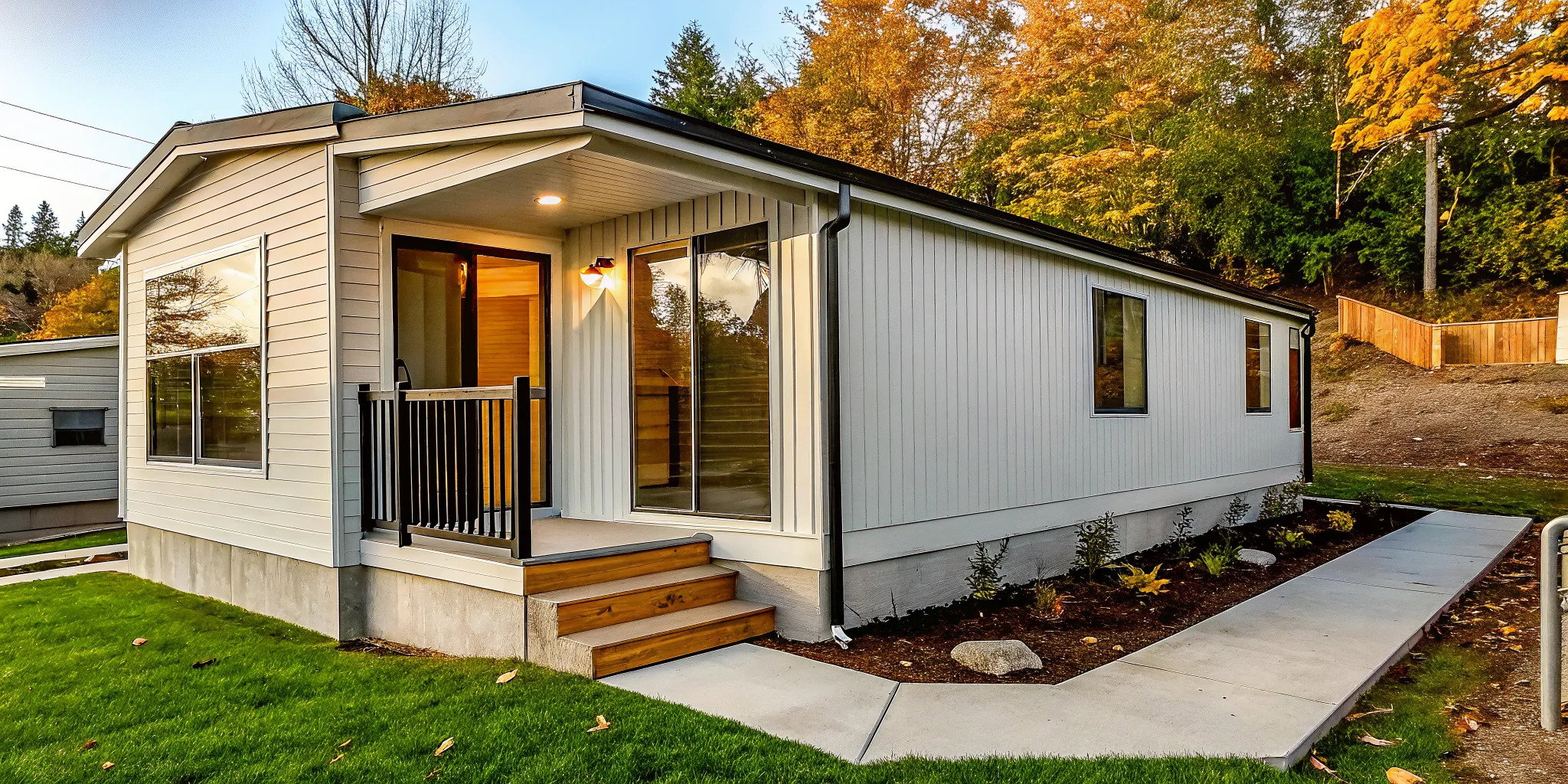
Before we talk about pricing, let's get clear on what a double wide home actually is. The name gives you a pretty good hint: it’s a type of manufactured home that is built in two separate sections in a factory. These sections are then transported to your land and expertly joined together to form one complete, spacious house. This factory-based construction is a key reason why manufactured homes are such an efficient and high-quality housing option. Building indoors protects materials from the elements and allows for a level of precision that’s hard to match with traditional on-site construction.
This entire building journey, from factory floor to your foundation, is a streamlined system. At Northern Mobile Homes, we manage our process carefully to ensure everything comes together perfectly on your property. Because they are constructed in two halves, double wides offer a more traditional rectangular shape and feel, similar to a site-built home. They represent a sweet spot of affordability, space, and modern design, making them a fantastic choice for families, first-time buyers, and anyone looking for a comfortable, customizable living space. They truly bridge the gap between the efficiency of manufactured housing and the spacious, familiar layout of a conventional house.
Defining Features: Size and Layout
So, what does "double wide" mean for your living space? It means you get a home with a much larger footprint than a single section home. Double wides typically range from 1,200 to 2,500 square feet, offering plenty of room to spread out. This extra width opens up a world of possibilities for your floor plan. You’ll find layouts with open-concept living and dining areas, spacious kitchens with islands, and multiple bedrooms and bathrooms. This design flexibility makes our multi section homes perfect for growing families or for those who love to entertain. You get the feel of a traditional home with all the benefits of modern manufactured construction.
Understanding Quality and Construction
Let’s clear up one of the biggest misconceptions about manufactured homes: quality. Today’s manufactured homes are a world away from the "mobile homes" of the past. Since 1976, all manufactured homes must be built to meet strict federal standards set by the Department of Housing and Urban Development (HUD). These HUD Code standards regulate everything from construction and strength to energy efficiency and wind resistance, ensuring your home is just as safe and durable as a site-built one. This means you can feel confident that your new home is built to last. Our commitment to quality is at the heart of everything we do, ensuring every home we build is safe, beautiful, and ready for a lifetime of memories.
How Much Does a Double Wide Home Cost?
Let's talk numbers. Understanding the cost of a double wide home is one of the first and most important steps in your home-buying journey. While the final price tag can vary based on your choices, I can give you a clear picture of what to expect. Think of this as your starting point for building a realistic budget. The price of a manufactured home is often significantly less than a traditional site-built home, which is a huge reason why so many people, from first-time buyers to downsizers, are drawn to this flexible and modern housing solution.
The total cost is more than just the price of the home itself. It also includes things like land, site preparation, and customizations. We’ll get into all those details later in the post, but for now, let’s establish a baseline. Knowing the general price range for new and pre-owned homes will help you see what’s possible and decide which path is right for you. Our goal at Northern Mobile Homes is to make this process transparent, so you can feel confident as you explore our beautiful multi-section homes and plan for your future. We believe that an informed buyer is a happy homeowner, and we're here to answer every question you have along the way.
The Price of a New Home
A new double wide home typically costs between $120,000 and $160,000. This price usually covers the home itself, plus delivery and standard installation. It’s a fantastic starting point because it gives you a brand-new, quality-built home without the sticker shock of many traditional houses. Keep in mind that this is a base price. The final cost will depend on the specific floor plan you choose and any upgrades or customizations you add. Exploring financing options early on can also help you determine what fits comfortably within your budget, allowing you to plan for those special features that will make your new house feel like home.
The Price of a Pre-Owned Home
If you're looking at the pre-owned market, you can find some surprisingly low prices. An older, used double wide might sell for as little as $10,000 to $30,000. Of course, a well-maintained model from the last decade will cost more, but it will still be considerably less than a new home. While a lower upfront cost is appealing, remember to factor in potential expenses for repairs or updates. At Northern Mobile Homes, we focus on providing new, warrantied homes, but understanding the used market helps you appreciate the long-term value and peace of mind that comes with a fresh build.
How Location Impacts Your Cost
Where you decide to place your home plays a big role in the overall cost. Generally, land in rural areas is less expensive than property near major cities or along the coast. This can have a huge impact on your budget. Your location also affects the cost of delivery and installation. A straightforward delivery to an accessible plot of land will cost less than a more complex setup in a remote or difficult-to-reach area. Our team walks you through every step of our process, including a site inspection, to ensure there are no surprises when it comes to placing your new home exactly where you want it.
What Factors Influence the Final Price?
When you start shopping for a new home, the initial price you see is really just the beginning of the conversation. Several key factors will shape the final cost of your double wide home, and understanding them ahead of time helps you create a realistic budget. Think of it less as a fixed price tag and more as a starting point for building a home that perfectly fits your life and your finances. From the layout you choose to the land you build on, each decision plays a role in determining the total investment.
Size and Floor Plan
It makes sense that one of the biggest factors in your home's price is its size. A larger home with more square footage will naturally require more materials and labor, which is reflected in the cost. Most double wide homes range from about 1,200 to 2,500 square feet, offering plenty of options for families, couples, or individuals. The complexity of the floor plan also matters. An open-concept design might have a different cost profile than a layout with more walls and distinct rooms. Exploring different multi-section homes can give you a clear idea of how size and layout work together to influence price.
Customizations and Upgrades
This is where you get to make your house a home. The ability to personalize your space is a huge advantage of choosing a manufactured home, but it’s also a key area where costs can change. You can select everything from flooring and lighting to appliances and exterior finishes. Many homeowners choose to invest in upgrades for high-use areas like the kitchen and bathrooms, with new cabinets and countertops being popular choices. While these features add to the final price, they also add significant value and enjoyment to your daily life. Our team walks you through every option during our process to ensure your choices align with your budget.
Energy-Efficient Features
Thinking about long-term costs is just as important as the upfront price. Opting for energy-efficient features can increase the initial investment slightly, but it often leads to substantial savings on your utility bills down the road. You might consider adding extra insulation, upgrading to high-performance windows, or choosing an energy-efficient HVAC system. These features not only make your home more comfortable throughout the seasons but also contribute to a lower cost of ownership over time. It’s a smart way to invest in your home’s future and your own financial well-being.
Your Home's Location
Where you decide to place your home has a significant impact on the overall cost. As a general rule, land in rural areas tends to be less expensive than lots located near major cities or popular coastal destinations. Beyond the price of the land itself, your location also affects delivery and installation fees. The distance and accessibility of your site will influence the cost to transport and set up your home. It’s important to factor these geographical variables into your budget early on to get a complete picture of the final price.
Looking Beyond the Sticker Price: What Are the Other Costs?
When you start looking at multi section homes, it’s easy to focus on the price of the home itself. But that number is just one part of your total investment. To create a realistic budget and avoid any surprises down the road, you need to account for the other expenses that come with buying and setting up a new manufactured home. Think of it like building a complete picture of your financial journey to homeownership, where the house price is just the first piece of the puzzle.
Understanding these additional costs from the start makes the entire experience smoother and more predictable. These expenses typically include purchasing and preparing the land, delivering and setting up the home, and connecting all the necessary utilities. A transparent building partner will walk you through each of these items, ensuring you have a clear understanding of the total cost. Our goal is to make sure you feel confident and prepared for every step of our process, from the first handshake to the moment you get your keys. Let’s break down what these other costs look like so you can plan effectively.
Land Costs
Unless you already own a piece of property, your first major expense outside the home itself will be the land it sits on. Land prices, especially in New England, can vary dramatically based on location, acreage, and local zoning laws. A plot in a desirable school district or close to a city will naturally cost more than a more rural parcel. Alternatively, you might choose to place your home in a manufactured home community. In that case, you won't be buying the land, but you will have a monthly lot rent fee to factor into your long-term budget. It’s a good idea to start researching land options early, as this will be a cornerstone of your overall financial plan.
Site Prep and Foundation
Once you have your land, it needs to be prepared for your new home. This is known as site preparation, and it’s a critical step to ensure your home is safe and stable for decades to come. Site prep can involve clearing trees, grading the earth to create a level surface, and ensuring proper drainage to prevent water issues down the road. After the site is prepped, a foundation is installed. You might choose a simple concrete slab, a crawl space, or even a full basement, with each option affecting the total cost. This isn't an area to cut corners; a solid foundation is essential for the structural integrity and longevity of your home.
Delivery and Setup
Your new double wide home is built in a climate-controlled facility and then transported to your property. The cost of delivery depends on the distance from the factory to your homesite and the accessibility of your land. Winding country roads or a steep driveway can sometimes add complexity and cost to the delivery. Once on site, our expert team gets to work setting the home. This involves carefully placing the sections of the home onto the foundation with a crane, joining them together, and finishing the interior and exterior seams. We handle all the logistics to make sure your home is assembled perfectly, turning two halves into one beautiful, seamless whole.
Utility Hookups
Your house isn't truly a home until the lights turn on and the water runs. Connecting to essential utilities is the final major step before you can move in. This includes hooking up to the local electrical grid, water supply, and sewer lines. If your property is more rural, you may need to install a private well for water and a septic system for waste, which can be a significant expense. The cost for utility hookups varies widely depending on how far your homesite is from the main utility connections. We always recommend getting quotes from local contractors for these services as you evaluate a piece of land.
How Can You Finance Your Double Wide Home?
Figuring out the financing for your new home can feel like the most complicated part of the process, but it doesn’t have to be. There are several straightforward paths to securing the funds for your double wide home, and many are designed to make homeownership more accessible. Whether you have a perfect credit score or are just starting, there’s likely a great option for you. Let's walk through the most common ways you can finance your new home.
Traditional Mortgages (Conventional & FHA)
Think of traditional mortgages as the most common route for homebuyers. If you have a solid credit history, a conventional loan might be a perfect fit. Lenders typically look for a credit score of at least 620 and a down payment of 5% or more. For those who need a bit more flexibility, an FHA loan is a fantastic alternative. Backed by the Federal Housing Administration, these loans are designed for buyers with credit scores as low as 580 and require a down payment of just 3.5%. Both options treat your manufactured home as real estate, just like a site-built house, as long as it's on a permanent foundation.
Government-Backed Loans (VA & USDA)
If you’re an eligible military member, veteran, or surviving spouse, a VA loan is an incredible benefit you’ve earned. These loans often require no down payment at all and have flexible credit requirements, typically starting around a score of 580. It’s one of the best ways to make homeownership a reality. Another great option is a USDA loan, which is available for homes in designated rural areas. Like VA loans, they usually don’t require a down payment, though you’ll generally need a credit score of 640 or higher to qualify. Exploring these government-backed loan programs can significantly reduce your upfront costs.
Chattel and Personal Loans
Sometimes, a manufactured home is treated as personal property instead of real estate, especially if it’s not on a permanent foundation or the land is leased. In these situations, a chattel loan is the go-to financing tool. It’s important to know that these loans can have higher interest rates and shorter repayment terms compared to traditional mortgages. This is because the loan is secured only by the home itself, not the land. While it’s a useful option in certain scenarios, most of our customers who are purchasing one of our multi-section homes to place on their own land will find a traditional mortgage is the better path.
What Are the Long-Term Costs of Ownership?
Getting the keys to your new home is an incredible feeling, but it’s important to remember that the initial purchase price is just one part of the financial picture. Being a homeowner means planning for ongoing expenses that keep your home safe, sound, and beautiful for years to come. Thinking about these long-term costs from the start is one of the smartest things you can do. It helps you create a realistic budget and ensures there are no surprises down the road, so you can simply enjoy your new space.
The main long-term costs you’ll want to plan for fall into a few key categories. These include annual expenses like property taxes and homeowner's insurance, the budget for routine maintenance and occasional repairs, and any potential community fees if you decide to place your home on a rented lot. While it might seem like a lot to consider, breaking it down makes it manageable. This foresight is what separates a stressful homeownership experience from a smooth and rewarding one. By accounting for these recurring costs, you get a true sense of what you can comfortably afford, which is a crucial step in making a confident purchase.
Property Taxes and Homeowner's Insurance
Once you own your home, you'll have a couple of new annual expenses to add to your budget: property taxes and homeowner's insurance. You will need to pay property taxes on your home and the land it sits on, and the amount can vary quite a bit depending on your specific town and the property's assessed value. It's a good idea to check your local municipality's tax rates to get an estimate.
Homeowner's insurance is just as important, as it protects your investment from unexpected events. Mobile home insurance typically costs between $300 and $1,000 per year, depending on your home's value, age, and location. Factoring these figures into your overall financing options will give you a clearer picture of your total monthly housing costs.
Routine Maintenance and Repairs
Just like any home, a double wide requires regular upkeep to stay in great condition. This includes tasks like resealing the roof every few years, servicing the heating and cooling systems, or fixing minor plumbing issues. While some of these jobs are small, others, like replacing an HVAC system, can be a larger expense.
A great rule of thumb is to set aside 1% to 3% of your home’s value each year specifically for maintenance and repairs. This creates a safety net, so you’re prepared for both routine service and unexpected fixes. Following a clear building process with high-quality materials from the start can also help minimize the frequency and cost of future repairs, giving you more peace of mind.
Potential Community Fees
Where you place your home has a big impact on your monthly expenses. If you buy your own land, this won't apply. However, if you place your home in a manufactured home community, you will likely pay monthly lot rent. This fee, which can range from $200 to over $800, covers the cost of renting the land your home occupies.
These fees often include services like trash and snow removal, landscaping for common areas, and access to community amenities like pools or clubhouses. When you're exploring different multi section homes, be sure to ask about any associated community fees if you're considering that option. This will help you budget accurately for your total monthly housing costs.
Double Wide vs. Site-Built: A Cost Comparison
When you’re thinking about your future home, the price tag is often the first thing that comes to mind. Comparing a double wide manufactured home to a traditional site-built home involves more than just looking at the initial purchase price. You have to consider the full financial picture, from the day you get the keys to the long-term costs of living there. Let’s break down how these two housing types stack up financially so you can make a choice that feels right for your budget and your life.
Comparing the Initial Investment
The most significant difference you'll notice right away is the upfront cost. A new double wide home typically costs between $120,000 and $160,000, a price that often includes delivery and setup. In contrast, building a traditional home from the ground up can easily cost two or three times that amount, before you even factor in the land. This substantial price difference makes homeownership much more accessible, especially for first-time buyers. Our multi-section homes offer spacious, modern living at a fraction of the cost of a comparable site-built house, without sacrificing quality or style.
Understanding Resale Value
There's a persistent myth that manufactured homes don't hold their value. The truth is more nuanced and depends heavily on a few key factors. A manufactured home placed on land that you own will often appreciate in value right along with the land itself. Just like any home, its value is also tied to how well it's maintained and the desirability of its location. Modern manufactured homes are built with high-quality materials and construction standards, making them a durable and valuable asset for years to come. So, you can feel confident that you're making a sound investment for your future.
Analyzing the Total Cost of Ownership
Beyond the initial purchase, it's important to think about the total cost of ownership. While you'll have ongoing expenses with any home, manufactured homes often have lower property taxes simply because their assessed value is lower. You'll still need to budget for things like site preparation, utility hookups, and insurance. A good rule of thumb is to set aside 1% to 3% of your home's value each year for maintenance and repairs. Exploring your financing options early can help you create a comprehensive budget that covers these long-term costs and avoids any surprises down the road.
Clearing Up Common Myths About Pricing
When you're exploring your housing options, it’s easy to get tangled up in misinformation, especially around pricing. Let's clear the air on a few common myths about the cost of a double wide home. Getting the facts straight can help you see the real financial picture and decide if this path is the right one for you and your family.
Myth #1: "Financing is impossible to get."
This is one of the biggest misconceptions out there. While it’s true that financing a manufactured home can be different from a traditional mortgage, it is far from impossible. In fact, there are several well-established financing options available. Because manufactured homes often have a lower cost per square foot while still offering modern, customizable designs, lenders see them as a solid investment. You can explore chattel loans (for the home only), personal loans, or even conventional mortgages if the home is permanently affixed to land you own. The key is working with a builder who can connect you with lenders experienced in manufactured home financing.
Myth #2: "They lose value immediately."
The idea that a manufactured home is a poor investment that depreciates like a car is outdated. While they may not appreciate at the same rate as site-built homes in every market, the story is much more nuanced now. With the growing demand for affordable housing, a well-maintained manufactured home in a desirable location can hold its value quite well. The quality of construction is a huge factor. Today’s high-quality manufactured homes are built to last, using durable materials and energy-efficient features that make them attractive to future buyers. Proper upkeep and smart initial choices about location and features make all the difference.
Myth #3: "The sticker price is the only price."
This myth can lead to some unwelcome surprises if you're not prepared. The price tag on the home itself is just one piece of the puzzle. You also need to budget for the land (if you don't already own it), site preparation, a foundation, delivery, and the cost of hooking up utilities like water, sewer, and electricity. A transparent builder will walk you through all these additional expenses from the start. Understanding our transparent process helps you create a realistic budget that covers everything from the foundation to the front door, ensuring there are no hidden costs along the way.
How to Budget for Your New Home
Figuring out your budget is one of the most important first steps toward homeownership. It’s more than just looking at the price of the home; it’s about creating a complete financial picture that includes every expense, from the day you start planning to the years you spend living in your new space. A well-planned budget gives you confidence and clarity, ensuring there are no surprises along the way. Let's walk through how to build a budget that works for you.
Create Your Comprehensive Budget
When you start budgeting for a manufactured home, think of it as a project with a few key parts. The home itself is the main component, but there are other costs to consider. Because double wide homes are built in a factory and then assembled on your property, your budget needs to cover both the structure and the land it will sit on. A comprehensive budget lists everything: the home, the land, site preparation, and utility connections. Our team walks you through our process from start to finish, so you'll have a clear understanding of every cost involved and can plan accordingly.
Account for Upfront and Long-Term Costs
A new double wide home typically has a base price between $120,000 and $160,000, which often includes delivery and setup. However, this price usually doesn't cover the cost of land, the foundation, or connecting utilities like water and electricity. These are significant upfront expenses you’ll need to factor in. Beyond the initial purchase, think about long-term costs. These include property taxes, homeowner's insurance, and routine maintenance. If you place your home in a community, you may also have lot rent. Understanding all these costs will help you explore the right financing options for your total budget.
Smart Ways for First-Time Buyers to Save
If saving money is a top priority, choosing a manufactured home is a fantastic start. For first-time buyers, this path to homeownership is often more affordable and straightforward than building a traditional site-built house. One of the best ways to save is by doing your homework on land prices. The cost of land can vary dramatically, so research different areas before you make a decision. You can also save by carefully considering your floor plan and customizations. Exploring all of our homes, including single-section and multi-section designs, can help you find the perfect balance between your dream features and your budget.
Related Articles
- Inventory Archive - Northern Mobile & Manufactured Homes
- Manufacturers - Northern Mobile & Manufactured Homes
- Skyline Shore Park 1934SL - Northern Mobile & Manufactured Homes
- Inventory Listing - Northern Mobile & Manufactured Homes
- Skyline Shore Park 1902 - Northern Mobile & Manufactured Homes
Frequently Asked Questions
The post says a new home is $120k-$160k. What's a realistic all-in price I should expect to pay? That's the most important question, isn't it? The $120k to $160k range is a great starting point for the home itself, including standard delivery and setup. The final, all-in price really depends on three other major costs: the land, site preparation, and utility connections. Since land prices vary so much across New England, this is the biggest variable. A good partner will provide a detailed estimate that accounts for these items, giving you a complete and transparent budget before you commit.
Will my double wide home actually increase in value over time? Yes, it absolutely can. The old idea that manufactured homes lose value is based on outdated information. When your home is placed on a permanent foundation on land that you own, it's treated as real estate. Its value becomes tied to the land, which typically appreciates over time. The key is to think of it like any other house: a well-maintained home in a good location is a valuable asset. With today's high-quality construction standards, you can feel confident you're making a sound long-term investment.
I'm a first-time buyer and the extra costs like site prep and utilities seem overwhelming. Do I have to manage all of that myself? You are definitely not alone in feeling that way, but you don't have to become an expert overnight. A key part of our job is to guide you through this entire process. While you will be the one hiring local contractors for things like excavation or installing a septic system, we help you understand exactly what's needed. We can provide checklists and connect you with trusted professionals in your area, ensuring the entire project feels manageable and coordinated from start to finish.
What's the first step I should take to get financing for my new home? Before you fall in love with a floor plan or a piece of land, the best first step is to talk to a lender and get pre-approved for a loan. This process gives you a clear and realistic understanding of what you can comfortably afford. Knowing your budget from the start makes every other decision easier and gives you confidence as you move forward. We can help connect you with lenders who are experienced with financing manufactured homes, making the process much smoother.
How can I personalize my home with upgrades without completely breaking my budget? This is where the fun begins, and it doesn't have to be stressful. The smartest approach is to be strategic. Focus your budget on upgrades in the rooms you use most, like choosing better cabinets for the kitchen or creating a spa-like feel in your primary bathroom. You can also prioritize features that add long-term value, such as energy-efficient windows. During our design process, we discuss every option transparently, so you can see how each choice affects the final price and make decisions that perfectly balance your dreams and your budget.

Northern Mobile Homes NH
Northern Mobile Homes stands out as New Hampshire’s best option for manufactured homes, thanks to our unbeatable combination of exceptional service, affordable prices, and a vast selection. Visit us today to experience why local homebuyers consistently choose New England Mobile & Manufactured Homes as their trusted home dealer. New England Mobile & Manufactured Homes is the best choice for your manufactured or mobile home in Rochester, NH.
Get started with Northern Mobile Homes NH
Find, design, and order your next home in a few clicks.
Dealer License #: