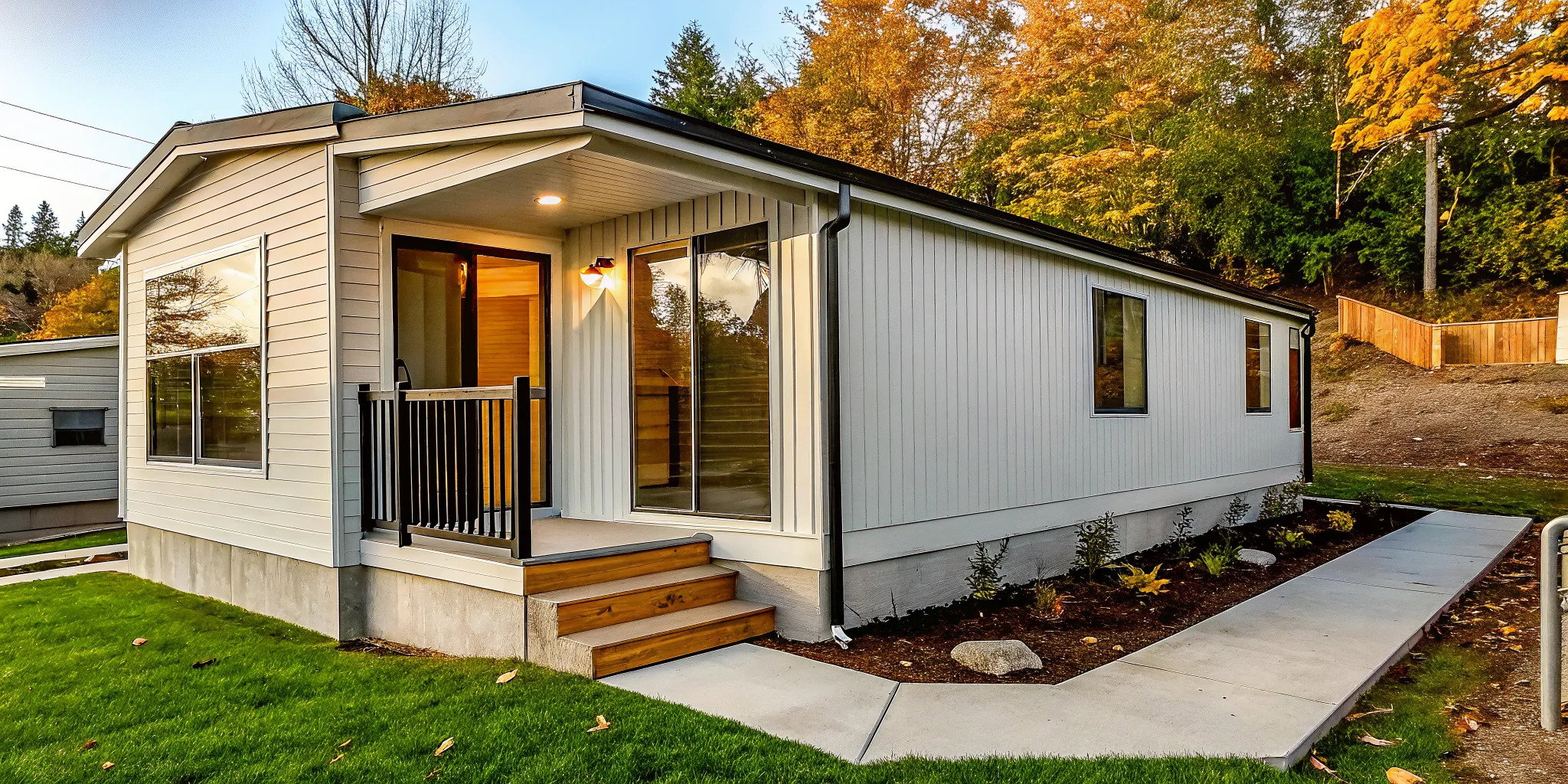
Manufactured vs. Modular Homes: What's the Difference?
Curious what is the difference between manufactured and modular homes? Get clear, practical answers on building, financing, and choosing the right home for you.
Let’s be honest: the world of factory-built housing can be confusing. Terms get thrown around, and old myths about quality can make it hard to see the modern reality. The truth is, both manufactured and modular homes offer an amazing, affordable path to homeownership without sacrificing quality or style. To see which option is right for you, you first need to understand the core distinctions. This article answers the essential question: what is the difference between manufactured and modular homes? We’ll look at building codes, foundation types, and long-term value so you can make an informed decision.
Key Takeaways
- Understand the Building Codes: Your home's placement and design are guided by its building code. Manufactured homes follow a single national HUD code, while modular homes are built to meet all specific state and local codes, just like a site-built house.
- Plan Your Financing Accordingly: The loan process is different for each home type. Modular homes qualify for traditional mortgages, whereas manufactured homes have access to specialized loans that can offer more flexible terms, like lower down payments.
- Focus on Your Needs, Not Old Myths: Both home types are high-quality, durable, and energy-efficient investments. The best choice depends on your personal budget, timeline, and customization goals, not on outdated ideas about quality.
What Is a Manufactured Home?
If you've heard the terms "mobile home" and "manufactured home" used interchangeably, you're not alone. But there's a key difference. A manufactured home is a specific type of factory-built house constructed entirely in a controlled environment and transported to your property. Think of it as a modern, high-quality evolution of the older mobile home.
These homes are built to a strict federal code, offering an affordable and customizable path to homeownership without sacrificing quality. From cozy single-section layouts perfect for a first home to spacious multi-section designs for a growing family, there’s a wide variety of manufactured homes to fit your life and budget. Let's look at what makes a manufactured home unique.
How They're Built & The HUD Code Explained
Every home built in a factory after June 15, 1976, is technically a manufactured home. This date is important because it marks when the U.S. Department of Housing and Urban Development (HUD) implemented a national building code. The HUD Code sets rigorous standards for every part of the construction process, including design, strength, durability, fire resistance, and energy efficiency.
Because of these strict federal rules, you can be confident that your home meets high quality and safety benchmarks. Unlike site-built homes that are exposed to weather during construction, manufactured homes are built indoors, which protects materials and ensures a consistent, quality build from start to finish.
Your Foundation and Placement Options
Once your home is built, it’s transported to your land. One of the great things about manufactured homes is their foundation flexibility. They can be set on a temporary pier and beam system or on a permanent foundation, just like a traditional site-built house. A permanent foundation often makes it easier to secure financing and can help with the home's long-term value.
While they can technically be moved by specialized contractors, they aren't designed for frequent relocation. The term "mobile home" is a bit of a misnomer for today's models. Instead, they are built to be permanently placed, and our team handles the entire process of delivery and installation to ensure it's done right.
What Is a Modular Home?
So, what exactly is a modular home? Think of it as a cousin to the traditional site-built house, but with a more modern construction method. Modular homes are built in sections, or "modules," inside a climate-controlled factory. This indoor process protects the building materials from weather damage and allows for a high level of quality control. Once the modules are complete, they are transported to your property.
Here’s the key part: those sections are then assembled by a crane onto a permanent foundation, just like a traditional home. Once it’s all put together, a modular home is virtually indistinguishable from a house built on-site from the ground up. The biggest distinction, which we’ll get into next, lies in the building codes they follow. Unlike manufactured homes, which adhere to a single federal code, modular homes are built to meet all the specific state and local building codes required for their final destination. This ensures they align perfectly with the construction standards of your neighborhood.
The Building Process: From Factory to Foundation
The journey of a modular home from concept to completion is a great example of modern efficiency. It all starts in the factory, where skilled builders construct each module of your home, complete with walls, flooring, plumbing, and electrical systems. Once finished, these sections are carefully wrapped for protection and transported to your land.
This is where the on-site magic happens. A crane lifts each module and places it precisely onto the pre-built permanent foundation. The team then expertly joins the sections together, completing the structural work and connecting all the utilities. Our streamlined process is designed to handle every detail for you, from coordinating the delivery and crane to managing the final assembly, ensuring a smooth transition from factory to foundation.
Adhering to Local Building Codes
One of the most important things to understand about modular homes is that they are built to the exact same standards as traditional, site-built houses. They must follow all state, local, and regional building codes for the specific location where the home will be placed. This is a major difference from manufactured homes, which are built to a single, national code.
Because these local codes can vary from one town to the next, your modular home is specifically engineered and constructed to meet the requirements of your property. This ensures its quality, safety, and structural integrity are on par with any other home in your community. It also means the appraisal and financing processes often look very similar to those for a traditional home. When you explore our homes, you can be confident each one is built to last.
How Do Building Codes Differ?
One of the biggest distinctions between manufactured and modular homes comes down to the rules they’re built to follow. While both are constructed with incredible precision in a factory setting, the codes they adhere to affect everything from their design to their final placement. Understanding these differences is key to figuring out which home type is the right fit for your land and your long-term plans. It’s less about which one is "better" and more about which one aligns with your specific situation.
Federal HUD Code vs. Local Building Codes
Think of the federal HUD Code as a single, national rulebook for every manufactured home built in the U.S. since 1976. This code, from the Department of Housing and Urban Development, covers everything from structural integrity to fire safety. Because every manufactured home follows this same strict standard, you can be confident in its quality. Modular homes, on the other hand, are built to meet all state and local building codes for their final destination, the same codes a traditional home follows. So, a modular home for the New Hampshire coast will be built to handle salty air and heavy snow, just like its site-built neighbors.
Foundation Rules and Permanence
Because modular homes are legally the same as site-built homes, they are always placed on a permanent foundation, like a basement or crawl space. Once set, it’s there to stay, which is why financing and appraisals work just like traditional homes. Manufactured homes offer more flexibility. While also intended for permanent placement, the foundation type can vary. They are secured to the ground following strict manufacturer and HUD standards. Our team walks you through this entire part of our process, ensuring your home is safe and secure.
A Look at Quality and Safety Standards
It’s a myth that one home type is built "better" than the other. The truth is, both are built to incredibly high standards in a factory setting, which allows for a level of precision that’s hard to replicate outdoors. The federal HUD Code ensures every manufactured home is durable and safe. For modular homes, meeting local codes means they are built with the same quality materials as any traditional house in your neighborhood. No matter which of our homes you choose, you can feel confident that it’s a high-quality, safe, and beautiful place to live.
What Are the Key Differences in Financing?
Figuring out how you’ll pay for your new home is a huge step, and the path looks a little different depending on whether you choose a manufactured or modular home. The type of loan, down payment, and even the interest rate can vary. Understanding these financial distinctions from the start will help you plan your budget and make the process feel much more straightforward. Let’s walk through what you can expect for each home type.
Loan Options for Manufactured Homes
Manufactured homes have unique and flexible financing options designed to make homeownership more accessible. Because they are built to the federal HUD code, they qualify for specialized loans that you won't find with other types of housing. Programs like CrossMod™, FHLMC CHOICEHome, and FNMA MH Advantage® are great examples. These loans are specifically for manufactured homes and can offer very attractive terms, including down payments as low as 3%. This lower barrier to entry is a significant advantage for many buyers, especially those purchasing their first home.
Securing a Traditional Mortgage for a Modular Home
Since modular homes are constructed to meet the same state and local building codes as traditional site-built houses, they qualify for the same kind of financing. This means you can secure a traditional mortgage from most banks, credit unions, and mortgage lenders. The process is identical to buying a site-built home, which can be a comfort if you’re already familiar with it. Lenders view modular homes as a permanent real estate investment, just like any other house on the block, giving you access to standard loan products and competitive interest rates without any extra hurdles.
Down Payments and Interest Rates: What to Expect
When you look at the numbers, the differences become even clearer. For manufactured homes, you can find conventional loans that require 5% down or FHA loans that only need a 3.5% down payment. In contrast, modular homes follow the requirements of traditional mortgages, which can vary based on the lender and your financial situation. While you might think interest rates for manufactured homes are higher, that’s not always the case. Many of the newer loan programs offer rates that are very similar to those for traditional home loans, helping you explore all of your options without worrying about a major difference in your monthly payment.
Which Home Offers Better Long-Term Value?
Buying a home is one of the biggest financial decisions you’ll ever make, so it’s smart to think about the long-term picture. Both manufactured and modular homes are excellent investments that provide lasting value. Because they are built in a factory, these homes offer a practical and innovative solution to the challenges of today's housing market. Let's look at how they compare on resale value, insurance, and ongoing costs.
Thinking About Resale? Appreciation and Potential
One of the first questions people ask about long-term value is appreciation. Modular homes generally appreciate at the same rate as traditional site-built homes. Since they are permanently attached to a foundation and must meet all local building codes, they are treated the same in real estate transactions. Manufactured homes can also appreciate in value, especially when they are placed on land that you own. A well-maintained home on a permanent foundation will always hold its value better than one on a rented lot. The key is quality construction and proper care, which ensures your home remains a valuable asset for years to come.
Comparing Insurance Costs and Coverage
Getting homeowner's insurance for both modular and manufactured homes is straightforward. Insuring a modular home is identical to insuring a site-built home. You’ll get a standard homeowner's policy because the home meets the same local codes. For manufactured homes, you’ll get a policy that is specifically designed for this type of structure, but it still provides comprehensive coverage for your home and belongings. The cost for either policy will depend on factors like your home's age, location, and features. Working with a company that helps you understand all aspects of homeownership, including financing options, makes the process much smoother.
Energy Efficiency and Ongoing Maintenance
Modern factory-built homes are designed to be incredibly energy-efficient. The controlled building process allows for precise construction, which means tighter seals and less air leakage. Many of our homes include standard features like enhanced insulation and radiant barrier roof lining, which helps reduce your utility bills every month. This focus on quality materials and construction also means you can expect lower maintenance costs compared to an older, site-built home. You get to move into a brand-new space without worrying about a long list of immediate repairs, giving you both peace of mind and long-term savings.
How to Choose the Right Home for You
Making the final decision between a manufactured and a modular home comes down to what matters most to you. Both are fantastic, modern housing solutions, but they serve different needs. Think about your budget, your timeline, and your long-term plans for the property. Are you looking for the most affordable path to homeownership, or do you need a home that meets specific local zoning for a particular piece of land? Answering these questions will help you weigh the factors below and find the perfect fit for your life. Our goal is to give you all the information you need to make a choice you’ll be happy with for years to come.
Comparing the Upfront Cost and Total Investment
Let's talk about one of the biggest factors: your budget. Generally, manufactured homes have a lower upfront cost than modular homes, making them an incredibly popular choice for first-time buyers and anyone looking for affordability. Research shows that affordability is a top reason people choose manufactured homes. However, the total investment is more than just the initial price. You also have to consider long-term expenses. Both manufactured and modular homes are built with modern, energy-efficient features that can save you money on utility bills down the road. When you explore your financing options, we can help you compare the total costs to see which home style aligns best with your financial goals.
Design Flexibility and Customization Options
If you think factory-built means you get a one-size-fits-all home, think again. You have a ton of freedom to create a space that feels uniquely yours. With both manufactured and modular homes, you can choose from a wide variety of floor plans, from cozy single-section layouts to spacious multi-section designs. From there, you get to pick out the details that make a house a home, like cabinetry, flooring, and fixtures. We believe your home should reflect your personality and lifestyle. You can browse our homes to see the range of styles available and start dreaming up your perfect space. We’re here to help you customize the design until it’s just right.
How Fast Can You Move In? Project Timelines
One of the biggest advantages of any factory-built home is the speed of construction. Because your home is built inside a climate-controlled facility, there are no costly delays due to bad weather. While your home is being constructed, we can be working on your property to prepare the foundation and utilities. This parallel process means you can move in much faster than you would with a traditional site-built home. The entire journey, from design to getting your keys, is streamlined and predictable. You can get a clearer picture of the timeline by looking at our process, which we’ve refined to be as efficient and stress-free as possible for you.
Debunking Myths About Quality and Durability
It’s time to set the record straight: today’s manufactured and modular homes are not the "trailers" of the past. Outdated stereotypes simply don't apply to the high-quality homes built today. Modern manufactured homes are constructed according to the strict federal HUD Code, and modular homes meet all state and local building codes, just like site-built houses. They are built with quality materials in a controlled environment, leading to a strong, durable, and safe structure. We pride ourselves on exceptional craftsmanship and customer satisfaction. As a family-owned business, our reputation is built on the quality of our homes and the happiness of the families who live in them.
Related Articles
- Manufacturers - Northern Mobile & Manufactured Homes
- Skyline Lake Manor Series - Achiever 6903 - Northern Mobile & Manufactured Homes
- Skyline Shore Park 1902 - Northern Mobile & Manufactured Homes
- Inventory Archive - Northern Mobile & Manufactured Homes
- Skyline Shore Park 1946SL - Northern Mobile & Manufactured Homes
Frequently Asked Questions
So, is a manufactured home just a newer term for a mobile home? In a way, yes, but with a very important distinction. The term "mobile home" refers to factory-built houses constructed before 1976. After that date, the federal government established the HUD Code, which set strict national standards for quality and safety. Any home built to this code is officially a manufactured home. Think of it as the modern, high-quality evolution of its predecessor, built for permanent placement, not frequent moves.
Which home is built to a higher standard, manufactured or modular? This is a common question, but one isn't built "better" than the other; they are just built to different codes. A manufactured home is built to the national HUD Code, a single, rigorous standard for the entire country. A modular home is built to meet all the specific state and local codes for its final address, just like a traditional site-built house. Both construction methods take place in a controlled factory environment, resulting in a precise, durable, and high-quality home.
Will I have trouble getting a loan for a factory-built home? Not at all. The financing process is just different depending on the home type. Since modular homes are legally the same as site-built homes, they qualify for traditional mortgages from most banks and lenders. Manufactured homes have their own set of flexible financing options, including special loan programs that can offer very low down payments. We can help you explore the options for each to see what works best for your budget.
Can I really customize a manufactured or modular home? Absolutely. The idea that factory-built homes are all cookie-cutter designs is a thing of the past. You have a great deal of control over the final product. You can start by choosing from a wide variety of floor plans and then select the finishes that fit your personal style, including things like cabinets, countertops, flooring, and fixtures. Our goal is to help you create a space that feels completely your own.
Do these homes appreciate in value like a traditional house? Yes, they can be a great long-term investment. Modular homes tend to appreciate at the same rate as traditional site-built homes in the same neighborhood because they are built to the same codes and placed on a permanent foundation. Manufactured homes can also gain value over time, particularly when they are placed on a permanent foundation on land that you own. Proper maintenance and a good location are key factors for any home's appreciation.

Northern Mobile Homes NH
Northern Mobile Homes stands out as New Hampshire’s best option for manufactured homes, thanks to our unbeatable combination of exceptional service, affordable prices, and a vast selection. Visit us today to experience why local homebuyers consistently choose New England Mobile & Manufactured Homes as their trusted home dealer. New England Mobile & Manufactured Homes is the best choice for your manufactured or mobile home in Rochester, NH.
Get started with Northern Mobile Homes NH
Find, design, and order your next home in a few clicks.
Dealer License #: