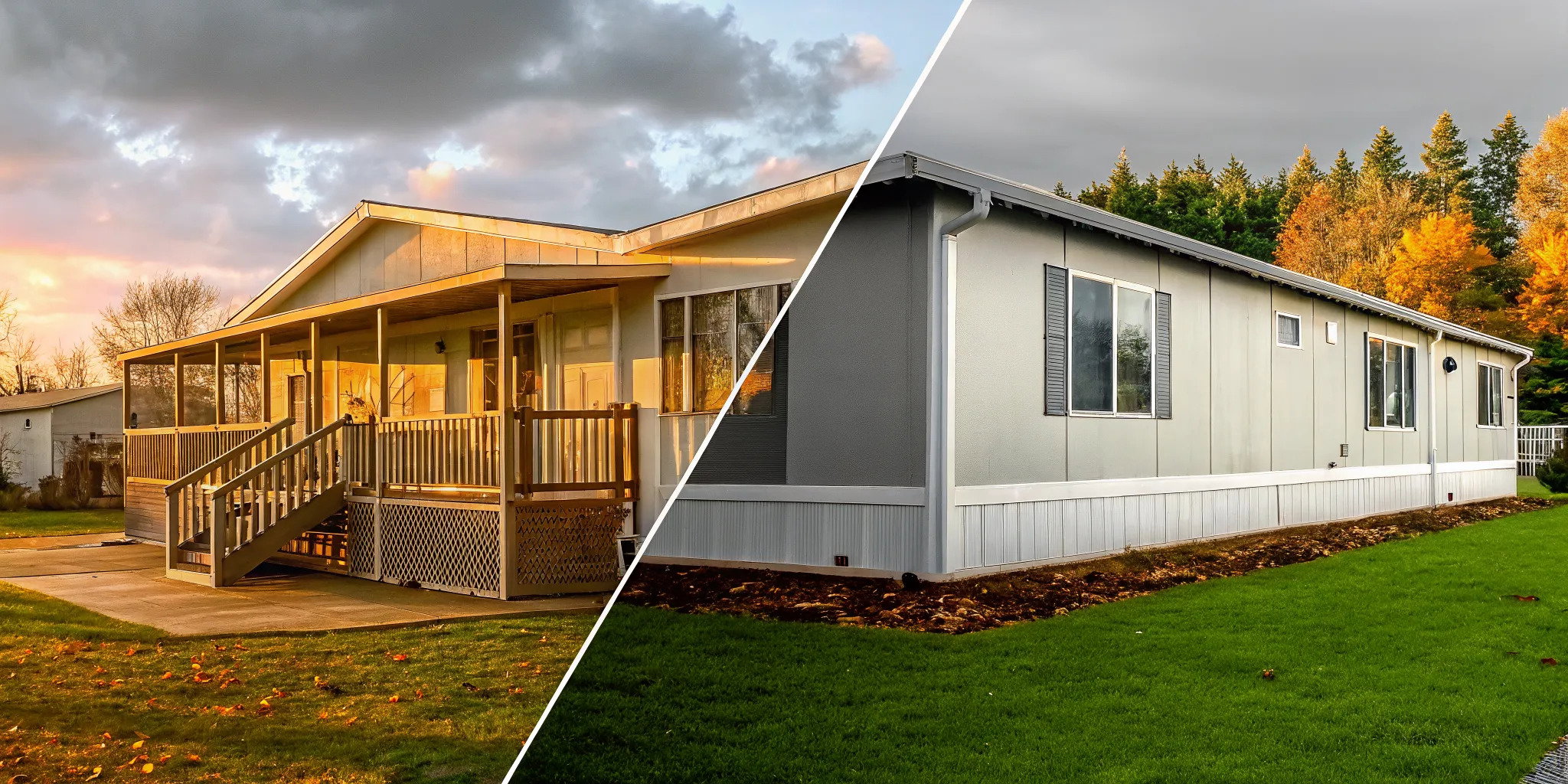
Build Your Own Manufactured Home: A Complete Guide
Learn how to build your own manufactured home with practical tips on design, customization, costs, and choosing the right builder for your needs.
Let’s clear the air about manufactured homes. If you’re picturing the outdated, one-size-fits-all models of the past, it’s time for a new perspective. Today’s homes are built with precision engineering in climate-controlled facilities, using high-quality materials that rival traditional construction. This modern approach results in a durable, energy-efficient, and beautiful home. When you decide to build your own manufactured home, you’re choosing a smarter way to get the quality and customization you want. In this article, we’ll explore the benefits of factory construction, the superior craftsmanship involved, and why these homes are a fantastic choice for New England living.
Key Takeaways
- Design a Home That Fits Your Life: A custom manufactured home gives you the freedom to personalize everything from the layout to the finishes, creating a space that works for you without the high cost of a site-built house.
- A Good Builder is Your Project Manager: Look for a builder who offers end-to-end support, helping you with everything from design and financing to understanding local zoning laws and preparing your land.
- Smart Planning Leads to a Smoother Build: Finalize your design before construction starts, get a clear, itemized budget, and understand site preparation requirements early on. This proactive approach is the key to preventing delays and unexpected costs.
What Is a Custom-Built Manufactured Home?
When you hear “manufactured home,” you might picture a standard, off-the-shelf design. But a custom-built manufactured home is something entirely different. It’s a home designed by you and for you, built with precision and efficiency in a factory setting. This approach combines the personalization of a traditional custom build with the quality control and cost-effectiveness of modern construction. It’s about getting a home that reflects your style and meets your family’s needs, without the typical headaches and budget surprises of on-site construction.
Custom vs. Standard Homes
Let's clear up a common myth: manufactured homes are not one-size-fits-all. While standard plans are a great starting point, a custom-built home gives you the creative freedom to design a space that truly works for you. Think of it as your personal blueprint. You can personalize floor plans to create an open-concept living area, move walls to make a bedroom larger, or add architectural details like special archways. Instead of trying to fit your life into a pre-existing layout, you get to build a home around your lifestyle, whether you need a home office, a spacious kitchen for entertaining, or an extra bathroom for a growing family.
The Benefits of Factory Construction
So, what makes factory construction so special? It all comes down to control and efficiency. Your home is built in sections inside a climate-controlled facility, which means no weather delays, no materials getting ruined by rain or snow, and far less waste. This streamlined method is a key part of our process and translates directly into savings for you. Because the build is so efficient, custom manufactured homes are often much more cost-effective than traditional site-built homes. You get the high-quality construction and customization you want, but within a more predictable timeline and budget.
Finding the Right Builder for Your Custom Home
Choosing a builder is one of the most important decisions on your home-building journey. This is the team that will bring your vision to life, so you want a partner you trust. A great builder does more than just construct your house; they guide you, answer your questions, and make the entire experience as smooth as possible. When you start your search, focus on builders who are transparent, experienced, and committed to your satisfaction. Look for a team that listens to your ideas and has a clear process for creating a home you’ll love.
A Focus on Quality Craftsmanship
When you hear "manufactured home," you might think of affordability, but don't overlook the quality of construction. The best builders prove you don't have to sacrifice quality for cost, using high-grade materials and methods on par with site-built homes. A builder’s portfolio is a great place to start; reviewing their past projects gives you a real sense of their style and durability. Don’t be shy about asking what materials they use and what standards they follow. A builder passionate about quality will be happy to show you what makes their homes stand out.
End-to-End Support: From Design to Move-In
Building a custom home involves many moving parts, and it can feel overwhelming. A reliable builder offers comprehensive support that covers every stage, from helping you choose a floor plan to handling permits and site preparation. Having a dedicated team that guides you through every step removes so much stress from the experience. You should feel like you have a partner who is just as invested in creating your dream home as you are, with professional designers ready to help translate your vision into a concrete plan.
Expertise in New England Building
Building in New England comes with its own unique rules. That’s why it’s important to work with a builder who has deep local knowledge. They should have a firm grasp of the specific zoning laws and land use restrictions in your town, which can save you from costly fines and delays. Before you purchase land, a local expert can help verify that it’s suitable for a manufactured home. Choosing a builder with deep local roots means you’re partnering with someone who understands the regional landscape, from town hall paperwork to preparing for a New England winter.
Making It Yours: Customization Options
One of the best parts of building a new home is making it truly your own. Forget the idea of a cookie-cutter house; with a custom manufactured home, you get to be the designer. From the overall layout to the smallest details like cabinet hardware, you have a say in creating a space that perfectly fits your life. This is where the fun really begins. We'll walk you through all the ways you can personalize your home, ensuring it’s a perfect reflection of you and your family.
Customizing Your Floor Plan
Your home’s layout should work for you, not the other way around. Many people are surprised to learn just how flexible manufactured home floor plans can be. You aren't limited to a static design. Instead, you can adjust room layouts, create a large open-concept living area, or design more defined spaces for dining and relaxing. Need a home office, a playroom for the kids, or a quiet reading nook? We can incorporate that. Our process starts with a wide selection of home designs, which you can use as a foundation to build your dream layout.
Designing Your Dream Kitchen and Bath
The kitchen and bathrooms are often the most-loved rooms in a home, and you have the freedom to design them exactly how you want. For the kitchen, you can choose features like a large center island for meal prep and entertaining, walk-in pantries, and high-end stainless steel appliances. You can also select from beautiful countertop materials and add a unique backsplash to bring your style to life. In the bathroom, you can create a spa-like retreat. Think about a jetted tub for soaking, a custom walk-in shower with dual shower heads, or elegant tile work. These choices are all part of our process to help you build a home you'll love for years to come.
Selecting Interior Finishes
The right finishes are what transform a house into a home. This is your chance to infuse your personality into every room. You can add character with built-in shelving to display your favorite books and photos or a cozy fireplace for chilly New England evenings. Beyond the big features, you get to choose the details that complete the look. This includes everything from the flooring under your feet to the paint on the walls and the light fixtures that illuminate your space. Every choice, down to the doorknobs and cabinet pulls, helps create a cohesive and personal environment that feels just right.
Choosing Exterior and Energy-Efficient Features
Your home's exterior is the first thing you, and your guests, will see. You can create amazing curb appeal by choosing from various siding styles, roof types, and paint colors that match your aesthetic. You can also add welcoming features like a custom-built porch, perfect for enjoying a morning coffee. Beyond looks, you can make smart choices for long-term savings and comfort. We offer energy-efficient upgrades like high-performance windows and enhanced insulation, which are especially important for our New England climate. These features help lower your utility bills and make your home more comfortable year-round, whether you choose a multi-section home or a cozy single-section design.
How Much Does a Custom Manufactured Home Cost?
Let’s talk about the number one question on every homebuyer’s mind: the price. Building a custom home can feel like a dream that’s financially out of reach, but it doesn’t have to be. Opting for a custom-built manufactured home is one of the most practical and affordable ways to get a brand-new house that’s tailored specifically to you and your family. The final cost will naturally depend on the size, style, and features you choose, but the value is undeniable.
One of the biggest advantages of the factory-building process is cost certainty. Since your home is built indoors in a controlled environment, you don’t have to worry about expensive weather delays or material damage. This efficiency translates directly into savings. When you work with a transparent builder, you get a clear picture of the costs from the start, allowing you to design a home that fits your vision and your budget. We’ll break down the key cost factors so you can feel confident as you begin planning your new home.
Custom Manufactured vs. Site-Built Home Costs
The cost difference between a custom manufactured home and a traditional site-built home is significant. According to a report from Harvard’s Joint Center for Housing Studies, the average price of a new manufactured home was about a third of the cost of a new site-built home, excluding land. That’s a massive saving that can make homeownership possible.
This affordability comes from the efficiency of the building process, not from a compromise in quality. Because materials are bought in bulk and protected from the elements, and construction happens on a streamlined assembly line, waste and labor costs are much lower. This means you can get a home built with high-quality materials for up to 50% less per square foot than a comparable site-built house.
What Influences the Final Price?
The base price of one of our beautiful homes is just the starting point. To get the full picture, it’s important to understand all the elements that contribute to the final, move-in-ready cost. Some buyers are surprised by setup costs, but a good builder will walk you through every expense.
Key factors that influence your total investment include the size and complexity of your floor plan, from a cozy single-section home to a spacious multi-section design. Your choice of finishes, fixtures, and appliances also plays a big role. Beyond the house itself, you’ll need to budget for site preparation, which includes the foundation, utility connections (water, sewer, electric), delivery, and final installation.
Planning Your Budget and Avoiding Surprises
The best way to avoid financial surprises is to plan ahead and work with a builder who prioritizes transparency. A detailed, itemized quote is your best friend. It should clearly separate the cost of the home from the expenses for site work, delivery, and installation. This clarity is a core part of our process, ensuring you know exactly where your money is going.
Have an open conversation with your builder about your vision and your budget from day one. This helps align your dream features with practical costs. It’s also wise to set aside a small contingency fund, typically 5-10% of the total project cost, for any unexpected expenses that might pop up. Understanding your financing options early on will also empower you to make confident decisions throughout the build.
The Building Process: From Start to Finish
Seeing your dream home come to life is an exciting journey. While it might seem complex, we follow a clear and streamlined path to get you from an initial sketch to move-in day. Our team guides you through every stage, ensuring a smooth and transparent experience. Let’s walk through our process step by step so you know exactly what to expect.
Step 1: Design and Planning
This is where your vision starts taking shape. Many people don't realize just how much you can personalize a manufactured home. You can work with our design team to modify existing floor plans, whether that means moving walls to create an open-concept living area, making a bedroom bigger, or adding unique architectural details. This collaborative stage is all about tailoring one of our homes to perfectly fit your lifestyle and needs. We'll finalize every detail, from the layout to the finishes, before any construction begins, ensuring the final product is exactly what you imagined.
Step 2: Factory Construction
Once the design is finalized, your home enters the construction phase inside our climate-controlled facility. This is one of the biggest advantages of a manufactured home. Building indoors protects materials from the elements and prevents weather-related delays that are common with traditional on-site construction. This efficient process also minimizes waste and helps keep costs down, making it a more cost-effective option. Our commitment to quality craftsmanship shines through in this controlled environment, where every component is built with precision and care.
Step 3: Delivery and On-Site Installation
After construction, the sections of your home are carefully transported to your property for final installation. Before we get to this point, it's essential to handle the groundwork. This includes preparing your land and confirming that local zoning ordinances allow for a manufactured home. These rules can't be overlooked, but we're here to help you understand the requirements for your specific location. Understanding these logistics is a key part of planning your budget and securing the right financing options. Once your site is ready and your home arrives, our expert crew assembles the sections, connects utilities, and completes all the finishing touches to make it move-in ready.
Choosing the Right Home for Your Lifestyle
Once you’ve decided to build a custom manufactured home, the next exciting step is figuring out which type of home best suits your life. Are you a first-time buyer, downsizing for retirement, or looking for a family vacation spot? Your answer will help guide you toward the perfect layout and style. Let’s look at the main options to help you find your ideal fit.
Single-Section vs. Multi-Section Homes
Manufactured homes come in two main configurations: single-section and multi-section. A single-section home is built and transported as one complete unit. These homes are often the most affordable option and are perfect for individuals, couples, or those looking for a cozy vacation home. Their smaller footprint makes them a great fit for smaller lots of land.
If you need more space, a multi-section home is an excellent choice. These homes, often called double-wides or triple-wides, are built in two or more sections in the factory and then joined together on your property. This approach allows for much larger, more complex floor plans that feel very similar to a traditional site-built house. You can explore sprawling multi-section homes with open-concept living areas, extra bedrooms, and dedicated home offices, giving your family plenty of room to grow.
The Benefits of a Modular Home
You might also consider a modular home. Like manufactured homes, modular homes are constructed in a climate-controlled factory, which offers some fantastic advantages. This building process is incredibly efficient, minimizing material waste and avoiding weather-related delays that can plague on-site construction projects. For anyone building in New England, not having to worry about a snowstorm halting progress is a huge relief.
This efficiency often translates into cost savings and a more predictable construction timeline. Once the modules are complete, they are transported to your land and assembled on a permanent foundation. Because they are designed to meet the same local building codes as traditional homes, they are a strong, durable, and cost-effective alternative to site-built construction.
Finding the Perfect Fit for Your Needs
Choosing the right home is about matching the design to your daily life. Think about how you want to live. Do you host family gatherings? You might want an open kitchen and dining area. Do you work from home? You can incorporate a dedicated office into your floor plan. The beauty of a custom-built home is that you can personalize the layout to support your lifestyle, whether that means moving rooms around or adding partitions.
Of course, your home is only half of the equation; you also need the right piece of land for it. Finding a suitable location and making sure it’s properly prepared can feel like a big task. That’s why it’s so important to partner with a builder who understands the entire journey. A supportive team can guide you through our process, from designing your dream layout to preparing your site for move-in day.
How to Finance Your Custom Manufactured Home
Figuring out the financing for your new home is a huge step, and it can feel like the most complicated part of the process. But here’s the good news: it’s completely doable, and there are clear paths to follow. While financing a manufactured home can be a little different from a traditional site-built house, the options are straightforward once you know what to look for. Whether you’re buying the land and the home together or placing your home in a community, there’s a loan designed for your situation.
The key is understanding which type of loan fits your specific plan. The right financing depends on the type of home you choose and whether you own the land it will sit on. We work with a network of trusted lenders who specialize in manufactured home loans, and we’re here to guide you through your financing options to find the best fit for your budget and your dreams.
Understanding Your Loan Options
When it comes to financing, the biggest factor is whether your home will be considered "real property" or "personal property." Real property is the land and anything permanently attached to it, while personal property is movable. A manufactured home can be financed with a chattel loan or a traditional mortgage if it is permanently affixed to land you own. This means the home is placed on a permanent foundation, making it part of the real estate.
If you’re considering one of our modular homes, the financing process is even more direct. Lenders view modular homes the same way they view site-built homes, so they qualify for traditional mortgage financing from the start.
Chattel Loans vs. Traditional Mortgages
Let's break down the two main loan types. A traditional mortgage is a loan that covers both the house and the land it sits on. This is the type of loan most people think of when they hear "mortgage." On the other hand, some lenders offer chattel loans, which are designed for homes not permanently affixed to land, like one in a manufactured home community. A chattel loan finances the home itself, treating it as personal property, similar to how you would finance a car or boat.
Because they are built to the same state and local codes as site-built homes, modular homes typically receive the same interest rates as their site-built counterparts. Your final rate will depend on factors like your credit score and down payment.
Getting Approved: What Lenders Look For
No matter which loan you apply for, lenders will look at a few key things to determine your eligibility. When you apply for a loan, lenders will consider your credit score, income, debt-to-income ratio, and the home's value. A strong credit history and stable income show you can handle the payments, while a low debt-to-income ratio proves you aren’t overextended.
One of the first steps in our process is helping you prepare for this. Finding affordable land that allows manufactured housing can sometimes be a challenge, but it's a hurdle we can help you clear. We can assist you in understanding local zoning and finding the perfect spot for your new home, making the pre-approval process much smoother. You can learn more about how we help by reviewing our process.
Preparing for Common Building Challenges
Building your own home is an exciting adventure, but like any major project, it can come with a few challenges. The key to a smooth and enjoyable experience is knowing what to expect and preparing for it ahead of time. When you’re proactive, you can handle potential bumps in the road with confidence. Think of it as creating a roadmap for your build; a little planning goes a long way. We’re here to walk you through some common hurdles and how you can clear them with ease.
Understanding Local Zoning and Regulations
Before you fall in love with a floor plan or a piece of land, it’s essential to get familiar with local rules. Every town and county has its own set of zoning ordinances and land use regulations that determine where a manufactured home can be placed. These rules can sometimes be complex and may change over time. The best first step is to research the specific requirements for your desired location. Working with an experienced builder who knows the local landscape is a huge advantage, as they can help you understand the codes and ensure your new home is fully compliant from day one.
Preparing Your Land for Your New Home
Finding the perfect spot for your home is a major milestone. Once you’ve secured your land, the next step is getting it ready for your home’s arrival. This process, known as site preparation, involves clearing the land, grading it, and installing a proper foundation. You’ll also need to arrange for utility hookups, including water, sewer or septic, and electricity. It can feel like a lot to manage, but you don’t have to do it alone. A full-service builder guides you through every step, coordinating the on-site work to ensure your property is perfectly prepared for delivery and installation.
Managing Timelines and Communication
One of the biggest benefits of a manufactured home is the efficient construction timeline. However, it’s still important to set realistic expectations. While the factory build moves quickly, the on-site portion of the project can be affected by things like weather, permit approvals, and scheduling with local contractors. The best way to stay on track is through consistent and clear communication with your builder. Don’t hesitate to ask questions and request regular updates. A great partner will keep you informed throughout the process, providing a realistic timeline and working with you to address any potential delays that may arise.
How Long Does It Take to Build a Custom Manufactured Home?
One of the first questions on every homebuyer's mind is, "How long will this all take?" It's a great question, and one I hear all the time. While building a manufactured home is typically faster than a traditional site-built home, it's still a detailed process that requires careful planning and coordination. Knowing what to expect from the timeline helps you plan your life around this exciting new chapter without unnecessary stress. Let's walk through a typical schedule and the key factors that can influence how quickly you get your keys.
A Realistic Timeline from Start to Finish
Generally, you can expect the entire process of building a custom manufactured home to take between three and six months. This timeframe starts from the moment you finalize your design and covers everything that follows: securing permits, factory construction, preparing your land, and the final delivery and installation. Our team at Northern Mobile Homes guides you through our process step by step to keep things moving smoothly. Remember, this is a general guide. Your specific project details will shape your final timeline, but it gives you a solid idea of what to plan for.
What Can Affect Your Timeline?
Several factors can influence your home-building schedule. Some, like New England weather, are simply out of anyone's control. Others, like industry-wide supply chain issues, are a modern reality for any construction project. The best thing you can do to keep your project on track is to finalize your plans before construction begins. Making significant design changes after the work has started is one of the most common causes of delay. Other variables, like local permitting and the availability of skilled labor, can also play a role. We work hard to anticipate these factors and communicate openly with you every step of the way.
Related Articles
- Manufacturers - Northern Mobile & Manufactured Homes
- Inventory Archive - Northern Mobile & Manufactured Homes
- Skyline Lake Manor Series - Achiever 6903 - Northern Mobile & Manufactured Homes
- Inventory Listing - Northern Mobile & Manufactured Homes
- Northern Mobile Homes - Northern Mobile & Manufactured Homes
Frequently Asked Questions
How much can I really customize a manufactured home? You can customize it far more than you might think. This isn't just about choosing paint colors and countertops, although you get to do that, too. You can work with our designers to alter floor plans, move walls to create a large open-concept space, or add a home office. Think of our designs as a starting point; we work with you to adjust the layout and features to create a home that truly fits your family and your lifestyle.
Are manufactured homes truly as well-built as traditional homes? Yes, and in some ways, the process allows for even better quality control. Our homes are built with high-grade materials, just like you would find in a site-built home. The difference is that construction happens inside a climate-controlled facility. This protects all the building materials from weather damage and allows for a precise, streamlined assembly process that meets strict quality standards every step of the way.
What's the biggest difference in cost compared to a site-built home? The most significant cost difference comes from the efficiency of the building process. Because we build in a factory, we can buy materials in bulk, drastically reduce waste, and avoid expensive delays caused by bad weather. This efficiency means you get a high-quality, custom home for a much lower price per square foot, often saving you a substantial amount compared to a traditional on-site build.
Do I need to find and buy land before I contact you? You don't need to have your land secured before you start talking with us. In fact, it can be very helpful to connect with us early in your search. We have deep expertise in New England's local zoning laws and land requirements. We can help you understand what to look for in a property, which ensures that the land you eventually choose is suitable for your new home and avoids any costly surprises.
How long does the whole process take, from design to move-in? While every project is unique, a general timeline is about three to six months from the day you finalize your home's design. This period includes the time it takes to build the home in our factory, secure permits, prepare your land, and complete the final on-site installation. It’s a much faster and more predictable schedule than a traditional build because we can work on your home and your land at the same time.

Northern Mobile Homes NH
Northern Mobile Homes stands out as New Hampshire’s best option for manufactured homes, thanks to our unbeatable combination of exceptional service, affordable prices, and a vast selection. Visit us today to experience why local homebuyers consistently choose New England Mobile & Manufactured Homes as their trusted home dealer. New England Mobile & Manufactured Homes is the best choice for your manufactured or mobile home in Rochester, NH.
Get started with Northern Mobile Homes NH
Find, design, and order your next home in a few clicks.
Dealer License #: