Single Family Manufactured Homes: An Essential Guide
Get practical tips on single family manufactured homes, from building and customization to financing and choosing the right builder for your needs.
Trying to buy a home can feel like an uphill battle, especially when affordability and quality seem out of reach. It’s easy to get discouraged. But what if there was a smarter path to owning a beautiful, brand-new home that fits your budget? That’s where modern manufactured housing comes in. High-quality single family manufactured homes offer a realistic and exciting opportunity for first-time buyers, downsizers, and everyone in between. This guide is your starting point for exploring this fantastic option. We’ll cover the key benefits, the building process, and how to choose a home you’ll love.
Key Takeaways
- Expect High Quality and Personalization: Today's manufactured homes are built with precision in a factory setting and offer extensive customization, allowing you to choose everything from the floor plan and interior finishes to smart home features.
- A Smart Financial Decision: Manufactured homes provide an accessible route to homeownership with a lower initial purchase price, strong potential for appreciation, and a variety of financing options to fit your specific situation.
- Your Builder and Land Are Crucial: Your home-building experience depends on selecting a transparent, trustworthy builder and carefully researching your chosen location to understand zoning laws, site preparation needs, and utility access.
What is a Single-Family Manufactured Home?
If you're exploring new housing options, you've probably heard the term "manufactured home." So, what exactly is it? Simply put, a single-family manufactured home is a residence built entirely inside a factory and then transported to your property. This isn't a makeshift process; every manufactured home is constructed to meet strict federal safety and quality standards known as the HUD Code. This code regulates everything from design and construction to energy efficiency and fire safety, ensuring you get a well-built, reliable home.
For many people, from first-time homebuyers to those looking to downsize, manufactured homes offer an incredible balance of quality, customizability, and affordability. You get a brand-new home designed for your lifestyle without the long timelines and unpredictable costs that can come with traditional site-built construction. It’s about getting a beautiful, modern home that fits your needs and budget, built with precision and care. You can explore a wide variety of our homes to see the beautiful designs and layouts available today. It’s a smart, efficient way to achieve your homeownership goals.
The Building and Delivery Process
One of the biggest advantages of a manufactured home is how it's built. The entire construction happens indoors, in a climate-controlled factory, which means no weather delays and incredibly high standards for quality. Everything from the framing and insulation to the siding, windows, plumbing, and even cabinets and appliances are installed before the home ever leaves the facility. Our team oversees every step to ensure it meets our exacting standards.
Once complete, your home is securely transported to your land and expertly set in place. The final assembly is efficient, often taking just a day or two before it's ready for utility hookups. This streamlined approach is a core part of our process and gets you into your new home much faster than you might expect.
Single vs. Multi-Section Homes
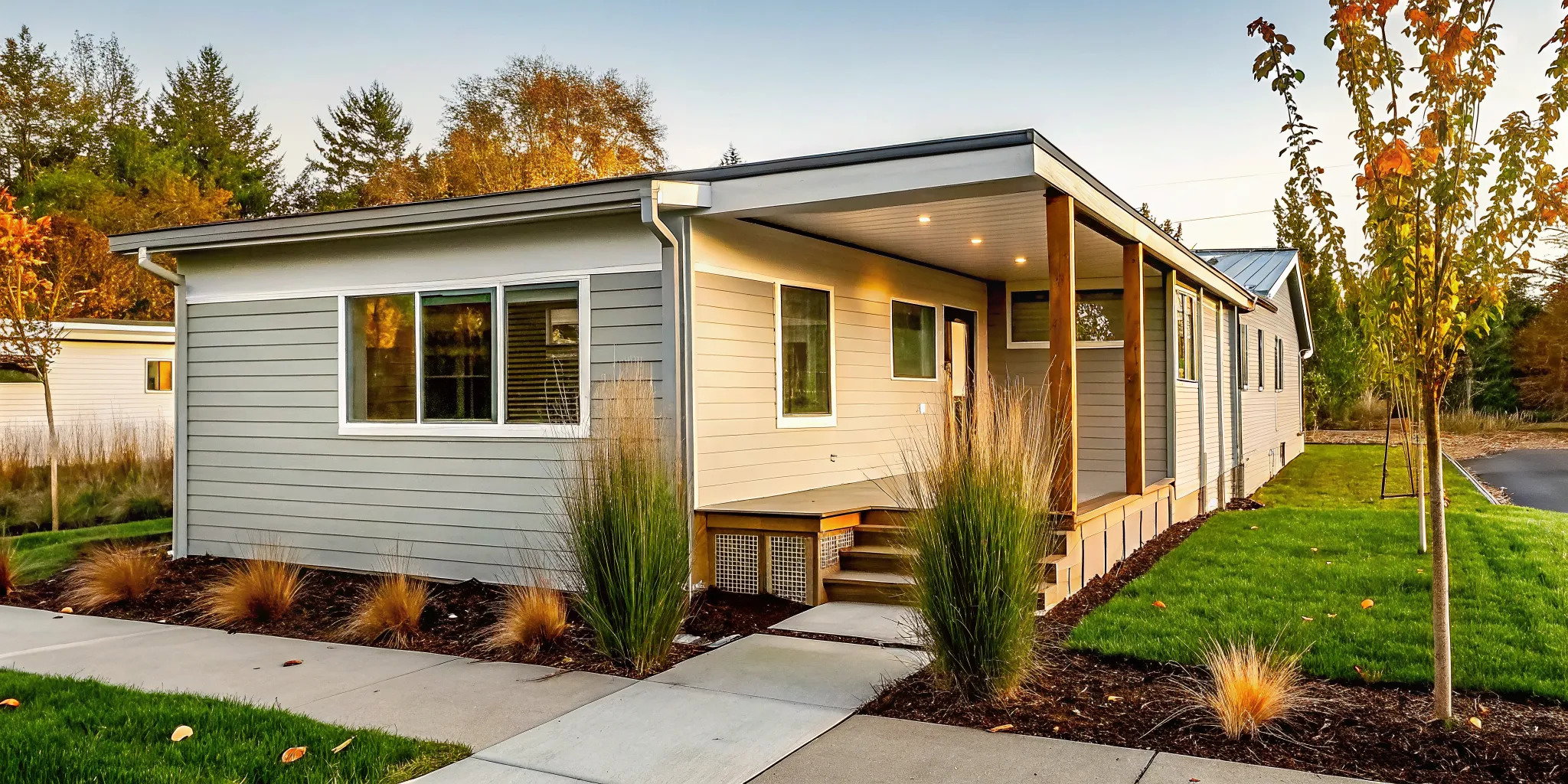
Manufactured homes come in two main styles: single-section and multi-section. The best choice for you really just depends on your space needs and budget. A single-section home is built and delivered as one complete unit. They often have a more rectangular, linear layout and are a fantastic, affordable option for individuals, couples, or those looking for a smaller footprint, like a vacation cottage.
A multi-section home, sometimes called a "double-wide," is constructed in two or more sections that are joined together on-site. This allows for much larger, more complex floor plans that feel very similar to a traditional site-built house, with plenty of room for a growing family and more design flexibility.
Key Features to Look For in a Manufactured Home
When you start exploring manufactured homes, you’ll quickly see they’re not what they used to be. Today’s homes are built with modern living in mind, offering features that rival, and sometimes surpass, traditionally built houses. From energy-saving designs to fully customizable layouts, knowing what to look for can help you find a home that perfectly fits your life. Here are the key features that make a real difference.
Energy Efficiency and Sustainability
One of the biggest perks of a modern manufactured home is its energy efficiency. Because these homes are built in a controlled factory setting, they have tighter seams and better insulation, which means lower utility bills for you month after month. This precision building process also reduces material waste. Many builders now focus on sustainability, offering green features like energy-efficient windows and appliances. Some even provide options for solar panels or rainwater harvesting systems, allowing you to create a home that’s as good for the environment as it is for your wallet. Exploring different types of homes can show you the range of energy-saving features available.
Flexible Floor Plans and Open Layouts
Your home should reflect your lifestyle, and manufactured homes offer incredible flexibility to make that happen. Forget cookie-cutter designs. You can choose from a wide variety of flexible floor plans, whether you want a cozy, compact layout or a spacious, open-concept living area for entertaining. Customization is a key part of the process. You can often move walls, add rooms, and select your own interior finishes, from flooring and cabinetry to countertops and paint colors. This level of personalization ensures your new house truly feels like home from the moment you move in.
High-Quality Materials and Construction
Let’s clear up an old myth: manufactured homes are not lower in quality. In fact, the opposite is often true. Building a home in a factory protects it from weather damage during construction and allows for rigorous quality control at every stage. Our building process ensures that every home is built to meet or exceed strict federal standards for safety and durability. This controlled environment results in a high-performance home built with quality materials. You can feel confident knowing your home is constructed with precision and care, leading to a final product that is strong, reliable, and built to last.
Smart Home Technology
Today’s manufactured homes are designed for modern life, and that includes the integration of smart home technology. Many new homes come equipped with features that add convenience and improve energy management. Imagine adjusting your thermostat from your phone, controlling your lights with your voice, or monitoring your home’s security while you’re away. These smart features are no longer just for high-end traditional homes. Builders are increasingly incorporating this technology into their designs, especially in modern modular homes. This tech integration makes daily life easier and can even help you save more on your energy bills.
How to Choose a Manufactured Home Builder
Selecting the right builder is just as important as picking the perfect floor plan. This is the team that will bring your vision to life, so you want a partner you can trust. A great builder acts as your guide, making a complex process feel straightforward and exciting. When you start comparing companies, focus on their experience, communication style, and the quality of their work to find the right fit for your family.
What to Look For in a Builder
The best builders offer a blend of flexibility and expertise. You want a partner with a broad library of customizable home designs that you can truly make your own. Look for a team with strong engineering support that can help you personalize a layout without compromising structural integrity. They should also have a clear process for selecting finishes, helping you choose everything from countertops to flooring so the final result feels cohesive and polished. A builder who listens to your ideas and provides thoughtful solutions is key to creating a home that suits your lifestyle.
The Importance of a Transparent Process
A clear and honest process is the foundation of a great home-building experience. From the first conversation, you should feel confident that you understand the costs, timelines, and next steps. Look for a builder who outlines their entire process from design to installation. They should be upfront about pricing and provide clear communication throughout the project. A trustworthy partner will also offer guidance on financing options, ensuring you have the information you need to make sound financial decisions. This transparency builds trust and helps you feel in control.
Why a Local, Family-Owned Business Matters
There’s a unique security that comes from working with a local, family-owned builder. These companies are part of your community, and their reputation is built on years of service to their neighbors. They offer a level of personalized attention that larger corporations often can’t match. A local builder understands the region’s specific zoning laws, climate considerations, and building codes. When you work with a family-owned business, you’re not just another project; you’re a valued client they are personally invested in helping. This creates a more collaborative and supportive home-building journey.
Comparing Costs: Manufactured vs. Traditional Homes
Let’s talk about one of the biggest factors in any home-buying decision: the price. When you compare the costs of a manufactured home to a traditional, site-built home, the numbers often speak for themselves. Manufactured homes frequently offer a more accessible path to homeownership, not just because of the initial price tag, but also when you consider the total cost over time.
The primary reason for this cost difference comes down to the building process. Constructing a home in a controlled factory setting is simply more efficient. We can build year-round without weather delays, purchase materials in bulk to get better pricing, and minimize waste. This streamlined approach translates into significant savings, which are then passed on to you as the homebuyer. This efficiency doesn’t mean cutting corners; it means building smarter. By understanding the full financial picture, from the day you buy to the day you sell, you can see how a manufactured home is a truly sound investment.
Upfront Purchase Price
The most immediate difference you’ll notice is the lower upfront cost. A brand new, high-quality manufactured home is typically much more affordable per square foot than a comparable site-built home. For many first-time buyers or those looking to downsize, this makes owning a home a realistic goal instead of a far-off dream. You can explore a variety of beautiful single-section homes that offer incredible value. For those needing more space, even larger multi-section homes are priced competitively, allowing you to get the layout and features you want without overstretching your budget. This affordability means you can start building equity sooner.
Long-Term Value and Resale
There’s a common myth that manufactured homes don’t appreciate in value, but that’s simply outdated thinking. Today’s manufactured homes are built to last, and recent trends show they are a solid long-term investment. In fact, one report found that since 2019, manufactured homes have appreciated faster than traditional single-family homes. When your home is built with quality materials, placed on a permanent foundation, and well-maintained in a good location, it builds equity just like any other home. The key is starting with a well-built home from a reputable builder, which ensures its value for years to come.
Understanding the Total Cost of Ownership
The initial purchase price is just one piece of the puzzle. The total cost of ownership includes everything from taxes and insurance to utilities and maintenance. Manufactured homes often come with lower property taxes, and because they are built with modern, energy-efficient materials and techniques, you can expect lower monthly utility bills. The controlled factory construction also leads to tighter seams and better insulation, which means less money spent on heating and cooling. When you factor in the accessible financing options available, the overall financial picture becomes even clearer. A manufactured home is not just affordable to buy; it’s affordable to own.
The Pros and Cons of Manufactured Homes
Choosing a new home is a huge decision, and it’s smart to look at your options from every angle. Manufactured homes have become an increasingly popular choice for families, first-time buyers, and downsizers, offering a unique blend of quality, affordability, and modern design. Like any type of housing, they come with their own set of advantages and are often surrounded by a few outdated myths. Let’s walk through the real benefits of choosing a manufactured home and clear up some common misconceptions you might have heard.
Key Advantages
One of the biggest draws to manufactured homes is their affordability. Because they are built in a controlled factory environment, the building process is incredibly efficient, which helps keep costs down without cutting corners on quality. This factory setting also means construction isn’t delayed by bad weather, and materials are protected from the elements. Every home is built to meet strict federal safety standards, known as the HUD Code, which covers everything from structural integrity to fire safety. You can explore a wide variety of our homes to see the quality and modern features for yourself.
Clearing Up Common Myths
Let's be honest, manufactured homes have dealt with a few stubborn stereotypes over the years. A common myth is that they are low-quality or don't appreciate in value like traditional site-built homes. The reality is that today’s manufactured homes are built with high-quality materials and precision engineering. Thanks to a streamlined and controlled building process, the quality is consistent and reliable. As for value, a modern manufactured home can absolutely appreciate over time, especially when it’s well-maintained and situated in a desirable location. They are a solid investment in your future.
How to Finance Your Manufactured Home
Figuring out how to pay for your new home can feel like the most complicated part of the process, but it doesn’t have to be. Securing financing for a manufactured home is straightforward, and you have several great paths to choose from. The best one for you will depend on a few factors, like whether you own the land where your home will be placed. The main financing routes include traditional mortgages, chattel loans, and government-backed loan programs. Each is designed for different situations, ensuring there’s a solution that fits your specific needs.
Understanding these choices ahead of time helps you step into the buying process with confidence. It’s all about matching your homeownership goals with the right financial product. Whether you’re placing your home on a family plot or in a planned community, a clear path to financing is available. At Northern Mobile Homes, we walk you through all the available financing options to find a plan that makes sense for your budget and your future. We partner with trusted lenders who specialize in manufactured homes, so you can focus on the exciting part: designing your dream space.
Traditional Mortgages
If you own the land your manufactured home will be on, a traditional mortgage is often the best way to go. This is the same type of loan you would get to buy a site-built house. For a manufactured home to qualify, it must be permanently attached to a foundation on your land, making it legally classified as "real property." This is a popular choice for buyers who are purchasing a plot of land and a new home at the same time. A traditional mortgage typically offers competitive interest rates and longer repayment periods, which can lead to lower monthly payments. It’s a solid, familiar option for long-term homeownership.
Chattel Loans and Other Options
What if you don't own the land where your home will be placed? A chattel loan is designed for this exact scenario. This type of loan covers the cost of the home itself, which is treated as personal property, much like a car or boat. Chattel loans are ideal if you plan to place your home in a manufactured home community or on a leased lot. They often have a faster closing process than traditional mortgages. A great feature is their flexibility; if you later buy land and permanently affix your home to it, you can often refinance the chattel loan into a traditional mortgage, potentially securing a lower interest rate.
Government-Backed Loan Programs
Government-backed programs are designed to make homeownership more accessible, and they are an excellent resource for manufactured home buyers. The Federal Housing Administration (FHA), for example, offers the Title I program, which insures loans made by private lenders. The FHA doesn’t lend you the money directly, but its insurance gives lenders the confidence to offer financing with more favorable terms. This can mean a lower down payment and more flexible credit requirements, making it a fantastic option for first-time homebuyers or those who are still building their credit history. These programs have been instrumental in helping thousands of families purchase a new manufactured home.
Choosing the Right Location for Your Home
Finding the perfect manufactured home is an exciting step, but where you decide to place it is just as important. The right location sets the foundation for your life, affecting everything from your daily commute to your connection with the community. Before you fall in love with a plot of land, it’s essential to do your homework on a few key factors. Thinking through site preparation, local rules, and utility access ahead of time will ensure a smooth transition into your beautiful new home.
Site Prep and Foundation Needs
Your new home is built to precise federal safety standards in a factory, which ensures quality and durability. The land it sits on needs to be prepared to the same high standard. Proper site preparation involves clearing, leveling, and grading the land to create a stable base. This step is critical for the home's structural integrity and long-term performance. A solid foundation, whether it's a slab, crawl space, or basement, prevents issues like shifting and moisture damage down the road. Our team walks you through every part of our process, ensuring your site is perfectly prepped for delivery day.
Zoning and Community Rules
Before you buy land, you need to understand the local rules. Zoning laws dictate what type of home can be built in a specific area. It’s crucial to confirm that a manufactured home is permitted on the property you’re considering. You have two main options: placing your home on private land with a permanent foundation or moving into a manufactured home community where you own the home but lease the lot. Each has its own set of regulations. Communities often have rules about home size and exterior finishes, so be sure to ask for the guidelines upfront. We can help you find the right home style to meet local requirements.
Utilities and Infrastructure
Imagine moving into your dream home only to find out you can’t get reliable internet or that connecting to the power grid is incredibly expensive. Investigating utilities early on is a must. You’ll need to confirm access to water, sewer or a septic system, electricity, and gas. For rural properties, you may need to drill a well or install a septic tank, which adds to your budget. Don’t forget to check for cell service and internet providers in the area. Factoring these expenses into your overall budget is a key part of the journey, and understanding your financing options can help you plan for these essential connections.
Making It Your Own: Customization Options
One of the most exciting parts of building a new home is making it a true reflection of your style and needs. Forget the outdated idea of one-size-fits-all designs; today’s manufactured homes offer an incredible range of personalization. From the overall floor plan down to the smallest fixture, you have the power to create a space that feels uniquely yours. This level of choice ensures your new house truly feels like a home from the moment you move in.
At Northern Mobile Homes, we believe your home should fit your life, not the other way around. That’s why our process is built around helping you explore all the ways you can customize your new home. The main areas for personalization fall into three categories: interior layouts and finishes, exterior features, and modern design trends. By considering your options in each of these areas, you can design a home that you’ll love for years to come. You can see the variety for yourself by exploring our different types of homes, from single-section layouts to spacious modular designs. We're here to guide you through every decision, ensuring the final product matches your vision perfectly.
Interior Design and Layouts
The interior of your home is where you’ll spend the most time, so it’s important that the layout and design work for you. You can start by choosing a floor plan that matches your lifestyle. Whether you dream of a spacious open-concept kitchen for entertaining, a cozy galley kitchen for efficient meal prep, or something in between, there’s a layout to suit your preferences. Beyond the floor plan, you can select interior finishes that bring your vision to life. This includes everything from flooring and countertops to cabinet styles, paint colors, and lighting fixtures. These choices allow you to create a cohesive and personal atmosphere throughout your home.
Exterior Features and Finishes
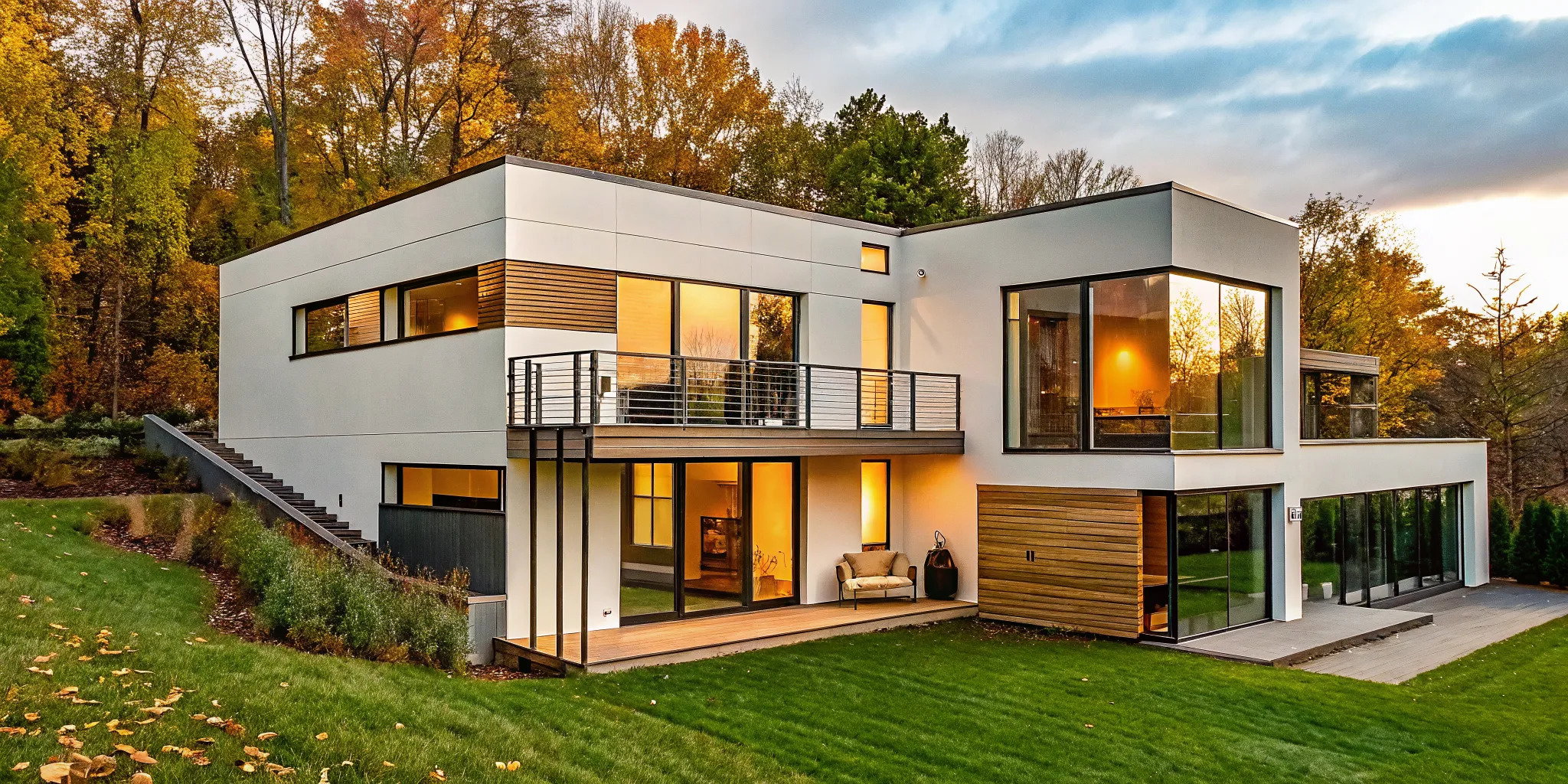
Your home’s exterior is the first thing people see, and it’s your chance to make a great first impression. Modern manufactured homes are designed with curb appeal in mind, incorporating contemporary aesthetics that look beautiful in any setting. You can choose from a variety of exterior options to create a look you love. Select different types of siding, roofing materials, and window styles to define your home’s character. You can also add architectural elements like dormers, porches, or decks to enhance its appearance and functionality. Our team walks you through all these selections as part of our building process to ensure the final result is exactly what you envisioned.
Modern Design Trends
Building a new home gives you the opportunity to incorporate the latest design trends and technology. Sustainability is a major focus, with many homeowners choosing energy-efficient features like upgraded insulation, high-performance windows, and even solar-ready systems. Smart home technology is another popular addition, allowing you to integrate features like smart thermostats, lighting, and security systems for added convenience and peace of mind. Inside, trends continue to favor open floor plans that create flexible living spaces, along with modern color palettes and textures that make the home feel current and stylish. These modern touches are especially prominent in our modular homes.
Researching Models and Finding Reviews
Once you have a good idea of what you’re looking for in a home, it’s time to start exploring specific models and builders. This is the fun part, where you get to see your vision start to take shape. But it’s also where careful research pays off. You’ll want to dig into the details of different homes, understand what makes them unique, and hear from people who have already gone through the process.
Think of this phase as having two main parts: gathering social proof and understanding the technical specs. First, you’ll want to find reviews and testimonials from real homeowners. Hearing about their experiences can give you incredible insight into a builder’s quality and customer service. Second, you’ll need to get comfortable with the documents that describe the home itself, like floor plans and specification sheets. These are the blueprints for your future life, so knowing how to read them is essential for making a choice you’ll love for years to come. Taking the time to do both will help you find the perfect fit from the wide variety of our homes.
Where to Find Reliable Information
When you’re looking for feedback on a builder, start with their website. Reputable companies are proud of their work and will often feature testimonials from happy customers. These stories can give you a feel for the entire buying journey, from the initial design conversations to the final installation. Look for comments that mention clear communication, dependable service, and overall satisfaction with the home’s quality. Beyond the company’s site, you can also look for independent reviews online. Most importantly, a trustworthy builder should be happy to connect you with past clients. Hearing directly from another homeowner provides an honest perspective you can’t find anywhere else and speaks volumes about a company’s transparency and commitment to its customers.
How to Read Floor Plans and Spec Sheets
At first glance, floor plans and spec sheets can seem a little intimidating, but they are your best tools for understanding a home before it’s built. A floor plan is a top-down view of the layout, showing you the size and flow of the rooms. As you look at different single section homes or larger multi section homes, imagine your daily routine. Where will you drink your morning coffee? How will guests move through the space during a get-together? The spec sheet complements the floor plan by listing the specific materials, finishes, and features included, from the type of kitchen countertops to the brand of windows. Together, these documents give you a complete picture of your potential new home.
Related Articles
- Inventory Archive - Northern Mobile & Manufactured Homes
- Inventory Listing - Northern Mobile & Manufactured Homes
- Manufacturers - Northern Mobile & Manufactured Homes
- Skyline Shore Park 1902 - Northern Mobile & Manufactured Homes
- Skyline Shore Park 1946SL - Northern Mobile & Manufactured Homes
Frequently Asked Questions
Are manufactured homes built to last as long as traditional homes? Absolutely. Modern manufactured homes are constructed with high-quality materials in a climate-controlled factory, which protects the structure from weather damage during the building process. Every home is built to meet rigorous federal HUD Code standards for durability, safety, and performance. When placed on a permanent foundation and properly maintained, your home is a durable, long-term investment designed to last for many years.
How much can I really customize my manufactured home? You have a great deal of control over the final look and feel of your home. The customization process goes far beyond just picking paint colors. You can choose from a wide variety of floor plans and often make structural changes, like moving interior walls or adding windows. You also get to select all your interior finishes, including cabinetry, countertops, flooring, and lighting fixtures, to create a space that truly reflects your personal style.
What does the timeline look like from choosing a home to moving in? While every project is unique, the timeline for a manufactured home is typically much faster than for a traditional site-built house. Once you finalize your design and secure financing, the home is constructed in the factory, which usually takes a few weeks. During that time, the site preparation on your land can happen simultaneously. After delivery, the final on-site installation is very efficient. The entire process is streamlined to get you into your new home sooner.
What are my financing options if I don't own land yet? You still have excellent financing options. If you plan to place your home in a community where you lease the lot, a chattel loan is a perfect fit. This type of loan covers the cost of the home itself, treating it as personal property. The application and closing process for a chattel loan is often faster than a traditional mortgage, making it a very popular and accessible path to homeownership.
Will my manufactured home appreciate in value over time? Yes, it can. The old myth that manufactured homes don't build equity is outdated. Today's homes are a solid investment, and recent data shows they have been appreciating at a rate similar to, and sometimes faster than, site-built homes. Just like any house, its value is influenced by factors like location, maintenance, and market conditions. Starting with a high-quality home on a permanent foundation sets you up for a great long-term investment.

Northern Mobile Homes NH
Northern Mobile Homes stands out as New Hampshire’s best option for manufactured homes, thanks to our unbeatable combination of exceptional service, affordable prices, and a vast selection. Visit us today to experience why local homebuyers consistently choose New England Mobile & Manufactured Homes as their trusted home dealer. New England Mobile & Manufactured Homes is the best choice for your manufactured or mobile home in Rochester, NH.
Get started with Northern Mobile Homes NH
Find, design, and order your next home in a few clicks.
Dealer License #: