The Modern Single Wide Home: A Complete Guide
Get the facts on buying a single wide home, from pricing and features to financing and placement. Find practical tips for choosing the right home for you.
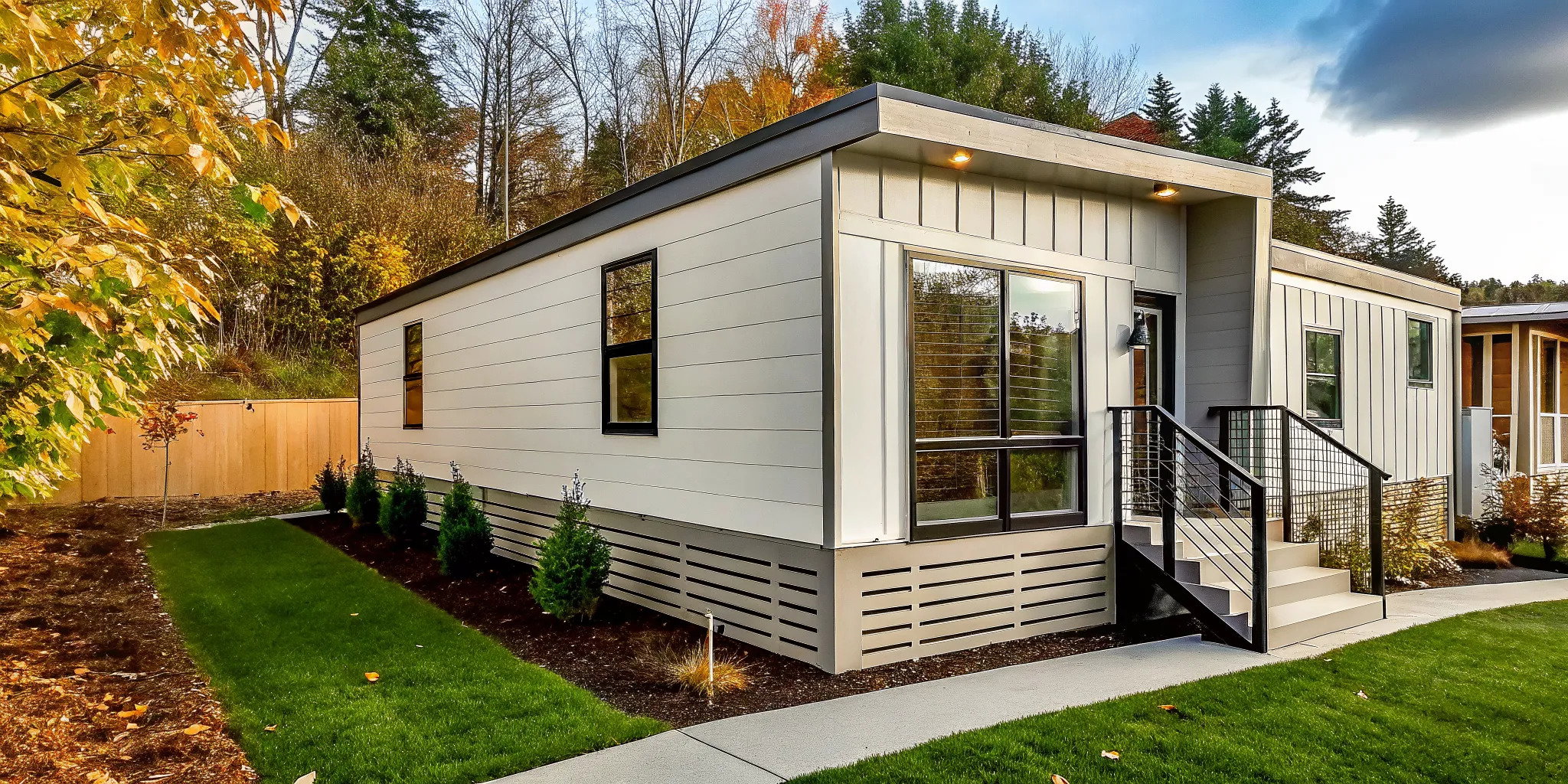
When you hear the term "mobile home," an outdated image might pop into your head. It’s time to replace that picture with the reality of today’s manufactured housing. Modern homes are built with precision, quality materials, and an eye for contemporary design. A new single wide home, in particular, is a testament to how far the industry has come, offering energy-efficient features, flexible layouts, and stylish finishes you’d expect in any new build. This isn't just about finding an affordable place to live; it's about choosing a smart, durable, and beautiful home. Let’s explore the features, benefits, and considerations of these impressive homes.
Key Takeaways
- Budget beyond the base price: The affordability of a single wide home is a major draw, but remember to factor in additional costs like land, site preparation, delivery, taxes, and insurance to understand your total investment.
- Focus on both customization and quality: Modern single wide homes offer incredible design flexibility, allowing you to personalize floor plans and finishes. A great builder provides these options while also using high-quality materials and construction methods to ensure your home is built to last.
- Connect your location to your financing: Your decision to place your home on private land versus in a manufactured home community will influence your loan options. Owning the land may help you qualify for a traditional mortgage, while leasing a lot often requires a specialized chattel loan.
What is a Single Wide Home?
When you picture a manufactured home, a single wide is likely what comes to mind. These homes are built and transported in one complete section, which makes them an efficient and popular choice. Because they are constructed as a single unit, they have a distinct rectangular shape that is longer than it is wide. This straightforward design is the foundation for a surprising amount of variety and customization.
The term "single wide" also refers to the home's dimensions. While sizes can vary, they offer a comfortable and well-designed living space perfect for individuals, couples, or small families. At Northern Mobile Homes, we offer a range of single section homes that blend modern features with practical layouts, proving that great things can come in streamlined packages.
Defining Features and Dimensions
A single wide home is constructed as one long module. This single-section build is what allows it to be transported to your property in one piece. Typically, these homes are between 14 and 18 feet wide and can range from 52 to 80 feet in length. This creates a living space that is both cozy and functional.
Don't let the simple shape fool you; the interior layouts are incredibly flexible. You can find floor plans with two or three bedrooms, open-concept living areas, and modern kitchens. The design possibilities allow you to create a home that fits your lifestyle, whether you're a first-time buyer or looking to downsize.
Single Wide vs. Other Manufactured Homes
Single wide homes generally have the lowest upfront cost compared to other options, making them an accessible path to homeownership. Their main counterparts are multi-section homes (often called double wides) and modular homes. Multi-section homes are built in two or more sections and joined on-site, offering more square footage and different layout possibilities.
Modular homes are also built in sections but are constructed to meet the same local and state building codes as a traditional site-built home. This often results in a higher resale value. While single wides may have fewer layout options than their larger counterparts, they provide an affordable, high-quality housing solution without sacrificing style or comfort.
How Much Does a Single Wide Home Cost?
Figuring out the cost of a single wide home is one of the first steps in your home-buying journey. The good news is that they are one of the most affordable housing options available. The final price tag, however, depends on several key factors, including whether you buy new or used, the features you choose, and where you plan to put your home.
The sticker price you see often covers the structure itself, but it’s important to remember the other expenses that come with homeownership. These can include land, site preparation, delivery, installation, and ongoing costs like taxes and maintenance. Let’s break down what you can expect to pay for a single wide home so you can create a realistic budget.
Pricing for New Single Wide Homes
A new single wide home offers a fresh start with modern features and the ability to customize your space. On average, a new single wide costs around $88,500, but this price can vary based on the floor plan, materials, and any upgrades you select. This base price typically includes the home itself, but you’ll need to factor in additional costs for delivery, installation, and utility hookups. At Northern Mobile Homes, we offer a variety of beautiful and durable single section homes and provide transparent pricing to help you understand every cost involved in building your new home.
What to Expect with Used Home Prices
If you’re working with a tighter budget, a used single wide home can be an excellent option. Prices for pre-owned homes can be significantly lower, sometimes ranging from $10,000 to $20,000. The final cost depends on the home's age, condition, and location. While the initial investment is smaller, be sure to set aside funds for potential repairs or updates to make it your own. It’s also crucial to factor in the cost of moving the home to your land, if necessary. A thorough inspection is always a smart move to ensure you know exactly what you’re buying.
Understanding the Full Cost of Ownership
The purchase price is just the beginning. To get a complete picture of your expenses, you need to consider the long-term costs of owning a single wide home. If you place your home in a manufactured home community, you can expect to pay monthly lot rent, which often covers services like trash removal and ground maintenance. Other ongoing costs include property taxes, utilities, and homeowner’s insurance, which typically runs between $300 and $1,000 per year. It’s also wise to budget about 1-3% of your home’s value annually for maintenance and repairs. Understanding these numbers will help you plan your financing options effectively.
Exploring Features and Floor Plans
One of the best parts about choosing a modern single wide home is the ability to make it truly your own. Gone are the days of cookie-cutter designs. Today’s homes offer an incredible amount of flexibility, allowing you to design a space that fits your lifestyle perfectly. From the overall layout to the small details that make a house a home, you have a say in creating a space you’ll love for years to come. Let’s look at some of the ways you can personalize your new home.
Common Layouts and Popular Customizations
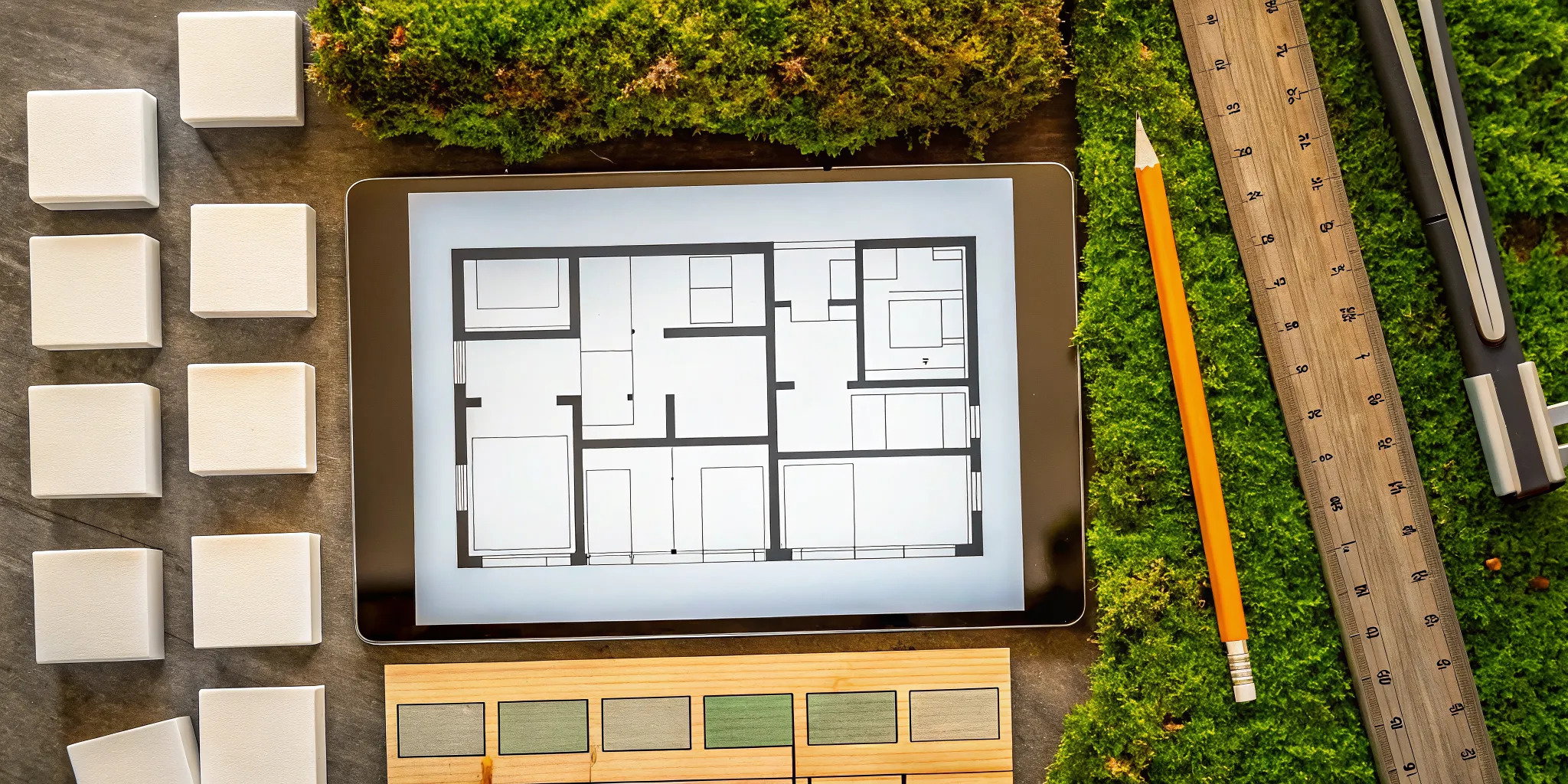
The floor plan is the heart of your home’s design, and you have more control over it than you might think. You can customize the number of bedrooms and bathrooms to fit your family’s needs, decide on the placement of the kitchen and living areas for the perfect flow, and even add features like walk-in closets. The personalization extends to the details, too. In the primary bathroom, you can create a spa-like retreat with options like dual vanities, a standalone tub, or an oversized walk-in shower. Exploring different single section homes can give you a great starting point for imagining your own perfect layout.
Modern Amenities and Energy-Efficient Upgrades
Modern single wide homes are built with both comfort and efficiency in mind. They come standard with features like high-quality insulation, energy-efficient windows, and advanced HVAC systems that keep you comfortable year-round while helping to lower your utility bills. If you want to take it a step further, you can select upgrades like an enhanced insulation package or ENERGY STAR® appliances for even greater long-term savings. These thoughtful features are a key part of our building process, ensuring your home is not only beautiful but also smart and sustainable. It’s about creating a comfortable living environment that’s also kind to your wallet.
The Pros and Cons of Single Wide Homes
Choosing a home is one of the biggest decisions you'll make, so it’s smart to look at it from every angle. Single wide homes present a fantastic and accessible path to homeownership, but just like any housing style, they come with a unique set of benefits and considerations. Taking the time to understand these points is the best way to align your personal needs, budget, and long-term goals with the right type of home. For many individuals, couples, and small families, the efficiency and affordability of a single wide are a perfect match for their lifestyle. For others, a more expansive floor plan might be a non-negotiable from the start.
To help you make a confident choice, we're going to break down the pros and cons honestly. We believe an informed customer is a happy homeowner, and our goal is to give you the clarity you need. Think of this as a checklist to measure against your own priorities. As you read, consider what matters most to you: Is it initial cost? Speed of construction? Long-term resale value? Or the amount of space you have to grow into? By weighing these factors, you can determine if a single section home is the ideal foundation for your future.
The Benefits of Choosing a Single Wide
The most significant advantage of a single wide home is affordability. They are one of the most cost-effective housing options available, making the dream of homeownership a reality for many people who might otherwise be priced out of the market. Because they are constructed in a single section, they require fewer materials and can be built and installed much faster than larger homes. This efficiency doesn't mean you have to sacrifice modern comforts. Today’s single wide homes can be equipped with stylish finishes, energy-efficient appliances, and thoughtful layouts designed for comfortable, everyday living. They are an excellent choice for individuals, couples, or small families looking for a smart, practical, and budget-friendly housing solution.
Potential Drawbacks to Consider
It’s also important to look at the potential limitations. The most obvious is space. With a smaller square footage, single wide homes may not be the best fit for larger families or those who need extra room for hobbies or a home office. While there are many beautiful floor plans available, the linear nature of the design means there are fewer layout options compared to multi section or modular homes. Finally, it's worth noting that single wide homes typically have a lower resale value compared to other types of housing. This is a key financial factor to consider if you view your home as a long-term investment that you plan to sell in the future.
Finding the Right Single Wide Home Builder
Choosing a builder is one of the most important decisions you’ll make on your homebuying journey. You’re not just buying a product; you’re choosing a partner who will help bring your vision to life. A great builder provides more than just a structure. They offer guidance, quality craftsmanship, and peace of mind. Let’s walk through what to look for in a manufacturer and the key questions that will lead you to the right team.
Hallmarks of a Quality Manufacturer
A top-tier manufacturer stands out through its flexibility and commitment to high standards. Since a single wide home is built in one long section, it offers incredible versatility in size, length, and layout. A quality builder will have a wide selection of floor plans and be excited to help you find one that fits your lifestyle. They should also be transparent about their building practices. Modern Single Section Homes are built to rigorous standards for durability and longevity, so you should feel confident that your home is a sound investment. Look for a manufacturer that proudly discusses their materials and construction methods, ensuring your home is built to last for years to come.
Key Questions to Ask Before You Buy
Before you commit, it’s smart to have a list of questions ready. While your builder will focus on the home itself, a great partner will help you think about the bigger picture. For instance, have you considered the location? The safety and desirability of your community are crucial. You’ll also want to verify that your chosen area is friendly to manufactured housing. A good builder can often provide insight into these matters. Ask them about their experience, request to see past projects, and inquire about their warranty. Understanding their complete process from start to finish will help you feel confident and prepared for every step ahead.
Our Commitment to Quality Construction
We believe a home is only as good as the hands that build it and the standards that guide them. Our commitment to you starts in the factory and extends all the way to your final move-in day. We know that proper installation is just as important as the construction itself, as it’s a key factor in maximizing the lifespan of your home. That’s why we ensure every home is built to strict HUD code safety requirements and installed with precision. As a family-owned business, our reputation is built on the quality we deliver and the trust we earn. You can learn more about us and our dedication to building exceptional homes for families across New England.
How to Finance Your Single Wide Home
Figuring out the financial side of buying a new home can feel like the biggest hurdle, but it doesn’t have to be. While financing a manufactured home works a bit differently than a traditional site-built house, there are clear paths and dedicated loan programs designed to help you. The key is understanding your options and finding the right fit for your budget and circumstances. Many buyers are surprised to learn just how accessible financing can be.
At Northern Mobile Homes, we believe this part of the process should be as straightforward and stress-free as the rest of your home-buying experience. Our team is here to walk you through every step, from understanding loan types to preparing your application. We partner with trusted lenders who specialize in manufactured homes, ensuring you get expert guidance. You can learn more about our approach and the lenders we work with by exploring our financing options. We’re committed to helping you find a financial solution that makes your dream of homeownership a reality.
Understanding Your Loan Options
Since single wide homes are built in a factory and then transported, they don't always qualify for a traditional mortgage. Instead, you’ll likely use a specialized loan product. One of the most common is an FHA loan, which is insured by the Federal Housing Administration. These are popular because they have flexible credit guidelines. An FHA Title I loan can be used to finance the home itself, while a Title II loan covers both the home and the land it sits on.
For veterans and service members, VA loans are an excellent option that often requires no down payment. You can also explore conventional financing through programs like those offered by Fannie Mae, which provides loans for a wide range of manufactured homes. Finally, some buyers use personal loans, though these typically have shorter repayment terms and higher interest rates.
Down Payment and Credit Requirements
Your credit score and the amount you can put down will play a big role in determining which loan is best for you. Lenders look at these factors to gauge risk, but the requirements vary significantly between loan types. For example, FHA loans are a fantastic resource for buyers with smaller down payments or less-than-perfect credit, making homeownership more attainable for many.
On the other hand, conventional loans usually have stricter credit and down payment requirements. If you qualify, you might be rewarded with a lower interest rate, which can save you a lot of money over the life of the loan. Don't let a low credit score or limited savings discourage you. There are many paths to financing a single wide home, and our team can help you identify the one that aligns with your financial picture.
Where Can You Place a Single Wide Home?
Once you’ve found the perfect single wide home, the next big question is: where will it go? Finding the right location is just as important as choosing the right floor plan. Your two main options are placing the home on private land that you own or leasing a lot within a manufactured home community. Both paths have their own benefits and considerations, from zoning laws to financing. Thinking through these details early on is a key part of our process and helps ensure a smooth journey to your new home. Let’s look at what you need to know to make the best choice for your lifestyle and budget.
Understanding Land and Zoning Requirements
If you’re dreaming of placing your home on a private piece of land, your first step is to do some local research. Before you get too attached to a specific property, you’ll want to verify that your desired city or town is friendly to manufactured housing. Local zoning ordinances will dictate where you can place a home and what kind of foundation is required.
Beyond the legal requirements, think about the practical side of daily life. Accessibility is a fundamental consideration when choosing a location. How easy is it to get to major roads, grocery stores, and schools? You should also evaluate the land itself. It’s important to consider factors like soil stability, drainage, and the slope of the land. A stable, well-drained lot helps prevent foundation issues and protects your investment for years to come.
Mobile Home Community vs. Private Land
Choosing between a mobile home community and private land often comes down to lifestyle, budget, and long-term goals. In a community, you own your home but lease the lot it sits on. This option often provides a strong sense of community, shared amenities like parks or clubhouses, and less upfront work, since utilities are typically already in place.
Placing your home on private land gives you more freedom and the opportunity to build equity in both the home and the land. However, it also means you’re responsible for site preparation and utility hookups. Your choice also impacts your financing options. Chattel loans are a common financing route for homes in communities where the house is considered personal property. If you own the land and permanently affix the home to it, you may qualify for a traditional mortgage.
How to Compare Single Wide Homes
Once you start looking at different single wide homes, you’ll notice that they aren’t all built the same. Two homes with similar floor plans can vary widely in quality, durability, and the support you receive from the builder. To make a confident choice, you need to look beyond the sticker price and evaluate what you’re really getting for your money. Focusing on a few key areas will help you compare your options effectively. Pay close attention to the construction quality, from the materials used to the building standards followed. It’s also important to understand the warranty that comes with the home and the kind of support the builder offers after the sale. These factors make a huge difference in your long-term satisfaction and peace of mind.
What to Look for in Quality Construction
A well-built home starts with a solid foundation of quality craftsmanship. Look for builders who emphasize high-quality materials and innovative building techniques, as these contribute directly to the home's durability. All manufactured homes, including single section homes, are built to rigorous federal HUD code standards for safety and quality, but some builders go above and beyond these minimums. Don’t forget that proper installation is just as important as the construction itself. A home that is set up correctly is better protected from issues that could shorten its lifespan. Ask potential builders about their installation process to ensure they handle this critical step with care and expertise.
Reviewing Warranties and After-Sale Support
A good warranty is a sign that a builder stands behind their work. Before you buy, review the warranty documents carefully to understand what is covered and for how long. This includes coverage for structural components, plumbing, electrical systems, and appliances. A clear and comprehensive warranty can save you from unexpected repair costs down the road. Equally important is the after-sale support you’ll receive. A great builder acts as a partner, guiding you through site preparation, permitting, and understanding additional costs like foundations or utility hookups. They should also be able to connect you with trusted financing options tailored to manufactured homes. This level of support simplifies the entire home-buying journey.
Is a Single Wide Home Right for You?
Choosing a home is a deeply personal decision that depends on your lifestyle, budget, and future plans. Single wide homes offer a flexible and practical solution for people at various stages of life. Thanks to their efficient construction and modern designs, they provide a comfortable and stylish living space without the hefty price tag of many traditional site-built homes. Whether you're just starting out, looking to simplify, or dreaming of a getaway spot, a single wide might be the perfect fit for your needs.
A Great Option for First-Time Homebuyers
Stepping into the housing market for the first time can feel overwhelming, especially with rising costs. Single wide homes present a fantastic opportunity to achieve homeownership sooner. Because they are built efficiently in a factory setting, they often have a lower starting price and a quicker build time than other options. This makes our single section homes an accessible choice for individuals, couples, and small families. You can get the stability and joy of owning your own place without taking on a massive mortgage, leaving you with more financial freedom to enjoy your new life.
Perfect for Downsizers and Vacation Homes
If you're looking to simplify your life and reduce your daily upkeep, a single wide home is an excellent choice for downsizing. The space-efficient layouts mean less cleaning and maintenance, giving you more time for hobbies, travel, and family. This same affordability and efficiency make single wides an ideal option for a vacation home. You can create a personal retreat in your favorite location without the financial strain of a second traditional mortgage. With plenty of customizable floor plans available, you can design a cozy, low-maintenance space that perfectly suits your retirement or getaway dreams.
Related Articles
- Skyline Shore Park 1902SL - Northern Mobile & Manufactured Homes
- Skyline Shore Park 1946SL - Northern Mobile & Manufactured Homes
- Skyline Shore Park 1934SL - Northern Mobile & Manufactured Homes
- Skyline Shore Park 1902 - Northern Mobile & Manufactured Homes
- Skyline Lake Manor Series - Achiever 6903 - Northern Mobile & Manufactured Homes
Frequently Asked Questions
How long does the whole process take, from design to move-in? While every project is unique, one of the great things about a single wide home is the efficient timeline. Since the home is built indoors in a controlled factory setting, we avoid weather delays that can stall traditional construction. From finalizing your design to the day you get your keys, the process is often much quicker than a site-built home. The exact timing depends on factors like customization, permitting, and site preparation, but we guide you through every step to keep things moving smoothly.
Are single wide homes built to last? Absolutely. This is a common question, and it’s an important one. Modern manufactured homes are built to a strict federal building code (the HUD code) that ensures they are safe, strong, and durable. We use high-quality materials and proven construction techniques to build homes that stand the test of time. A well-built and properly installed single wide home is a lasting, comfortable, and sound place to live.
What costs should I plan for besides the price of the home itself? The sticker price is your starting point, but it's smart to budget for the complete project. Think about costs for the land if you don't already own it, site preparation to get the ground ready, and utility hookups for water, sewer, and electricity. You'll also need to account for the delivery and installation of your home, as well as any foundations, decks, or skirting you plan to add. We believe in being transparent, so we help you create a clear picture of all the expenses involved from the very beginning.
Can I really customize a single wide home? Yes, and this is one of the most exciting parts of the process. You have a lot of say in creating a home that feels like you. You can choose from various floor plans to get the right number of bedrooms and bathrooms, and you can decide on an open-concept living area or a more traditional layout. The personalization continues with finishes, so you can select your own cabinetry, flooring, countertops, and fixtures to match your personal style.
What’s the main difference between a single wide and a modular home? It really comes down to the building codes they follow. A single wide home is a type of manufactured home built to the federal HUD code. A modular home is built in sections in a factory, just like a manufactured home, but it's constructed to meet the same local and state building codes as a traditional, site-built house. This distinction can affect financing options and resale value down the line.

Northern Mobile Homes NH
Northern Mobile Homes stands out as New Hampshire’s best option for manufactured homes, thanks to our unbeatable combination of exceptional service, affordable prices, and a vast selection. Visit us today to experience why local homebuyers consistently choose New England Mobile & Manufactured Homes as their trusted home dealer. New England Mobile & Manufactured Homes is the best choice for your manufactured or mobile home in Rochester, NH.
Get started with Northern Mobile Homes NH
Find, design, and order your next home in a few clicks.
Dealer License #: