New Double Wide Homes for Sale: A Simple Guide
Find new double wide homes for sale with this simple guide. Learn about costs, features, financing, and tips for choosing the right home for your needs.
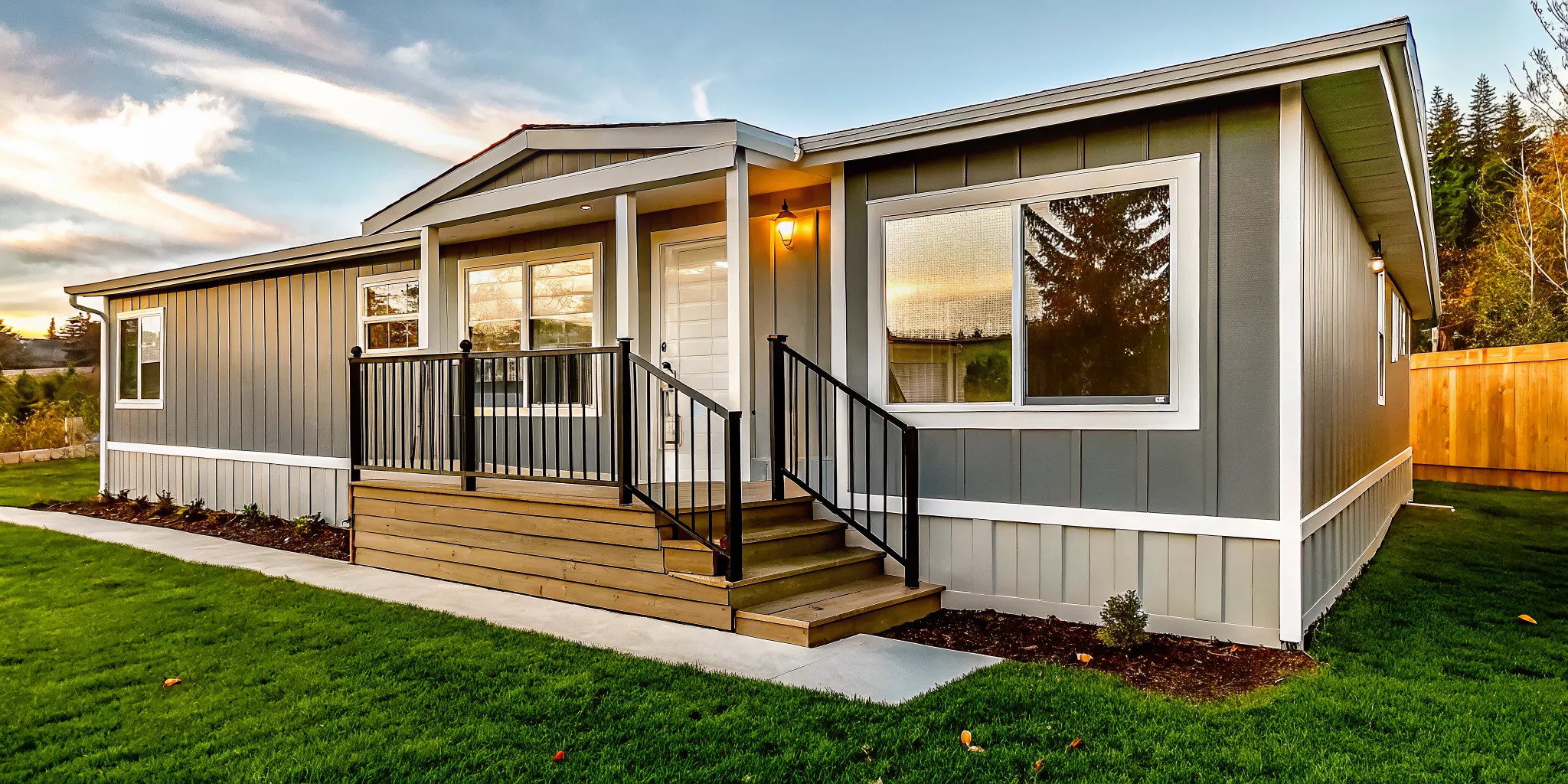
Let's be honest: the term "double wide" might bring some outdated images to mind. But it’s time to see what these homes have become. Today’s double wide homes are built to strict federal standards, featuring quality craftsmanship, energy-efficient designs, and all the modern finishes you’d find in a new site-built house. They are a testament to how far manufactured housing has come. When you start looking at the beautiful and spacious new double wide homes for sale, you’ll see that the old stereotypes simply don’t apply anymore. This article is here to clear up the misconceptions and show you the incredible value, style, and quality you can expect from a modern double wide home in New England.
Key Takeaways
- Modern Quality and Lasting Value: Forget outdated stereotypes. Today's double wide homes are built to high federal standards with quality materials, offering spacious layouts and modern finishes. When placed on private land and well maintained, they can appreciate in value just like other real estate.
- Budget for the Full Picture: The sticker price is just the starting point. A realistic budget must also include costs for land, site preparation, foundation, utility hookups, delivery, and installation. Getting a comprehensive quote upfront prevents financial surprises.
- A Great Builder Simplifies Everything: Choosing the right builder is crucial. A good partner acts as your guide, offering comprehensive services that cover everything from financing and customization to permits and installation, making a complex process feel streamlined and manageable.
What Is a Double Wide Home?
If you’re picturing a spacious, modern home with an open layout, you might be thinking of a double wide. A double wide is a type of manufactured home built in two separate sections in a factory. These sections are then transported to your property and joined together on-site, creating a single, cohesive living space. This two-part construction is what gives them their name and allows for the wider, more traditional home layouts that so many people love.
Double Wide vs. Single Wide vs. Modular Homes
When you start exploring your options, you'll hear a few different terms, so let's clear them up. The main difference between a double wide and a single wide is size. As the name suggests, single section homes are built and transported in one long section, making them narrower. Double wides, or multi section homes, offer twice the width, which opens up many more possibilities for your floor plan. Then you have modular homes. While also built in a factory, modular homes are constructed in multiple sections and are designed to meet all state and local building codes, just like a traditional site-built house. They are also typically placed on a permanent foundation.
Common Sizes and Layouts
Double wide homes give you plenty of room to live and grow, with sizes often ranging from 1,000 to over 2,000 square feet. This extra space allows for layouts that feel open and inviting, similar to what you’d find in a site-built home. You can expect to see designs with three or even four bedrooms, multiple bathrooms, and spacious, open-concept kitchens and living areas. This makes them a fantastic choice for families, anyone who loves to entertain, or those who simply want a bit more elbow room. You can explore a wide variety of our homes to get a feel for the different layouts and find one that fits your life perfectly.
The Pros and Cons of Buying a New Double Wide
Deciding on a new home is a huge step. Double wide manufactured homes offer an incredible combination of space, quality, and affordability, but it's smart to weigh all the angles. Understanding the benefits and potential challenges will help you decide if a double wide is the right choice for your family. Let's walk through who these homes are best for, clear up some common myths, and look at potential drawbacks to keep in mind.
Who Is a Double Wide Home For?
A double wide home can be a fantastic fit for many people. If you're a growing family looking for an affordable home with room for everyone, the spacious layouts are a huge plus. They offer much more living space than single wides, making them perfect for kids or a home office. They're also a popular choice for retirees who want to downsize from a larger house but aren't ready for an apartment. You get a simpler footprint without sacrificing the feel of a traditional home. First-time homebuyers also find that multi-section homes are an accessible path to homeownership, offering modern amenities at an attainable price.
Clearing Up Common Misconceptions
Let's clear the air about a few things you might have heard. A common myth is that double wides aren't built as well as traditional houses. That couldn't be further from the truth. Every manufactured home built today must follow strict federal construction and safety standards, often called the HUD Code, ensuring they are safe and durable. Another misconception is that they automatically lose value like a car. While location and maintenance are key, a well-cared-for double wide home, especially when placed on private land, can appreciate in value over time, just like any other piece of real estate.
What Are the Potential Drawbacks?
Of course, it’s important to look at the full picture. One of the biggest considerations with a double wide is the land. If you place your home in a manufactured home community, you'll own the house but rent the lot. This means paying monthly lot rent and following community rules, which can sometimes be restrictive. Another point to consider is financing. While plenty of options exist, securing a loan can sometimes be a different process than a traditional mortgage, especially if the home isn't on a permanent foundation on land you own. We can help you explore all the financing options available to find the right fit for your situation.
How Much Does a New Double Wide Cost?
Let’s talk about one of the biggest questions on your mind: the price tag. One of the main reasons people fall in love with double wide homes is their affordability, but figuring out the final cost isn't as simple as looking at a sticker price. The total investment depends on the home you design, where you put it, and the features you choose. Think of the base price as a starting point. From there, you get to decide what matters most to you, whether it's a gourmet kitchen, an extra bedroom, or energy-saving windows. Understanding the different costs involved will help you create a realistic budget and ensure there are no surprises along the way. We’ll break down what goes into the price of a new double wide so you can feel confident in your financial planning.
What Factors Influence the Final Price?
The final cost of a new double wide home can vary quite a bit because it’s tailored to your specific needs and tastes. While you might see base prices ranging from $70,000 to over $150,000, that number changes based on several key factors. The size and floor plan are the most obvious drivers; a spacious four-bedroom home will naturally cost more than a cozy two-bedroom model. Beyond square footage, your design choices play a huge role. Upgrading to premium finishes like hardwood floors, granite countertops, or high-end appliances will increase the price, but it also adds significant personal value and comfort. The manufacturer and specific model you select also matter, as different builders offer different levels of standard features and quality. Exploring the various multi section homes available can give you a great sense of the possibilities.
Budgeting for Delivery, Setup, and Other Costs
It’s really important to remember that the advertised price of a double wide is usually for the home itself and doesn't include the costs of getting it onto your land and ready for move-in day. To create an accurate budget, you’ll need to account for these additional expenses. First, there’s site preparation, which involves creating a foundation and ensuring all your utilities, like water, sewer, and electricity, are ready to be connected. Then, you have the delivery and installation fees. This covers transporting the home to your property and professionally joining the sections together. Our team outlines exactly what this looks like in our process. Finally, don’t forget about taxes, permits, and any potential landscaping or driveway costs. Planning for these items from the start helps you see the full financial picture.
Cost Comparison: Double Wide vs. Site-Built Homes
When you compare the cost of a new double wide to a traditional site-built home, the value becomes incredibly clear. Manufactured homes are built in a controlled factory environment, which is far more efficient than building on-site. This process minimizes weather delays, reduces material waste, and streamlines labor, all of which translate into significant cost savings for you. This means you often get more home for your money, with the ability to include modern features and custom finishes that might be out of reach with a site-built budget. For many first-time homebuyers or families looking for an affordable vacation spot, this efficiency makes owning a beautiful, brand-new home a realistic goal. Exploring different financing options can make it even more accessible.
Must-Have Features to Look For
Once you’ve settled on a budget, the real fun begins. This is your chance to think about what you truly want in a home. Modern double wide homes offer an incredible amount of flexibility, allowing you to create a space that perfectly fits your life. From the overall layout to the smallest finishing touches, you have a say in how your new home comes together. It’s all about browsing our homes to find the right combination of features that will make you happy for years to come.
Choosing Your Ideal Floor Plan
The floor plan is the blueprint for your daily life, so it’s one of the most important decisions you’ll make. Think about how you and your family live. Do you love hosting gatherings? An open-concept plan that connects the kitchen, dining, and living areas might be perfect. If you have kids or work from home, a split-bedroom layout can provide extra privacy and quiet. Take some time to browse different multi-section homes to get a feel for the possibilities. The right layout makes a home feel intuitive and comfortable from the moment you move in.
Prioritizing Energy Efficiency and Insulation
Living in New England means experiencing all four seasons, so an energy-efficient home isn't just a bonus; it's a necessity. High-quality insulation, energy-efficient windows, and a modern heating and cooling system will keep you comfortable year-round while saving you money on utility bills. A good builder understands local building codes, including requirements for insulation and snow load capacity. Following our process, we ensure every home is built to meet or exceed these standards, giving you a durable, cost-effective, and cozy place to live no matter the weather outside.
Exploring Modern Finishes and Smart Tech
This is where you can let your personal style shine. Today’s manufactured homes can be outfitted with all the modern finishes you’d expect in a site-built home. Think quartz countertops, stainless steel appliances, stylish vinyl plank flooring, and contemporary lighting fixtures. You can also incorporate smart home technology, like programmable thermostats and integrated security systems, for added convenience and peace of mind. These details are what transform a house into your personalized sanctuary. Don't be afraid to ask about the different finish packages and upgrade options available to you.
Designing Your Kitchen and Living Spaces
The kitchen and living room are the heart of the home, where you’ll spend most of your time relaxing and making memories. When designing your kitchen, consider features that match your cooking style, like a large island for prep space, a walk-in pantry for storage, or a specific appliance package. For your living area, you might want a cozy fireplace for chilly nights or large windows to let in natural light. You can customize these spaces with features you love, ensuring they are both beautiful and perfectly functional for your family’s daily routines and special occasions.
Understanding Your Customization Options
Customization goes far beyond just the floor plan and kitchen cabinets. You can personalize nearly every aspect of your new home, from the type of siding and roofing outside to the faucets, door handles, and paint colors inside. Before you get too far into the process, it’s helpful to make a list of your "must-haves" and "nice-to-haves." This will help you focus your choices and stick to your budget. Working with a builder who values customization and flexibility ensures you get a home that truly reflects your vision and meets your family's needs down to the last detail.
How to Choose the Right Home Builder
Finding the perfect double wide home is exciting, but choosing the right builder is what truly brings your vision to life. This is one of the most important decisions you'll make in your home-buying journey, so it’s worth taking the time to get it right. You’re not just looking for a contractor; you’re looking for a partner who will guide you through the process with expertise and care. A great builder makes everything smoother, from the first blueprint to the final walkthrough. They should be a trusted resource who listens to your needs, answers your questions honestly, and is committed to building a home you'll love for years to come. Think of them as the captain of your home-building team. When you start your search, focus on builders who demonstrate transparency, quality, flexibility, and a full range of services. These four pillars are the foundation of a successful and stress-free home building experience, ensuring you feel supported and confident every step of the way. A builder who excels in these areas will not only deliver a beautiful home but also a positive memory of how it all came together.
Look for a Transparent Process
A trustworthy builder will be an open book. You should never have to guess what’s happening next, how much it will cost, or when it will be done. A transparent process means the builder provides a clear, detailed timeline and is upfront about all costs involved. According to the National Association of Home Builders, a good builder provides clear information about the construction process, which helps build trust and allows you to make informed decisions. Before you sign anything, you should understand every step, from site preparation and foundation work to delivery and final installation. At Northern Mobile Homes, we believe in making our process as clear as possible, so you feel confident and informed from start to finish.
Prioritize Quality Craftsmanship
Your new home is a significant investment, and its long-term value depends heavily on the quality of its construction. Don’t be afraid to dig into a builder’s reputation for craftsmanship. Look at their portfolio of completed projects, read online reviews, and ask for testimonials from past clients. A builder who is proud of their work will be happy to share examples. Pay attention to the details, from the structural integrity to the fit and finish of the cabinetry and trim. High-quality materials and superior building techniques ensure your home is not only beautiful but also durable and energy-efficient. Exploring a builder's gallery of our homes can give you a real sense of the quality and style they deliver.
Seek Out Customization and Flexibility
One of the best parts of building a new double wide home is the ability to make it truly yours. The right builder will offer a wide range of customization options to help you create a space that fits your lifestyle. This goes beyond just picking paint colors. You should be able to choose layouts, select finishes, and add features that matter most to you and your family. The Manufactured Housing Institute highlights that many modern builders provide extensive options, allowing buyers to design a home that suits their personal needs. Whether you dream of a gourmet kitchen, a spa-like primary bathroom, or an open-concept living area, your builder should work with you to incorporate those elements. Look for a partner who is excited to help you explore all the customizable options available.
Check for Comprehensive Service
The journey to your new home involves more than just construction. There’s financing, permitting, site prep, and more. A builder who offers comprehensive services can simplify this complex process immensely. Look for a team that can guide you through every stage, from initial design consultations to post-sale support. This might include offering assistance with financing, coordinating with local authorities for permits, managing the site work, and handling the delivery and installation. Having one dedicated point of contact who oversees the entire project saves you time, reduces stress, and ensures all the moving parts come together seamlessly. It turns a potentially overwhelming process into an exciting and streamlined experience.
How to Finance Your Double Wide Home
Figuring out the financing for your new home might feel like the most complicated part of the process, but it’s more straightforward than you think. There are several paths you can take to secure a loan for a double wide home, and many are designed to be accessible. Whether you’re a first-time buyer or downsizing, understanding your options is the first step toward getting the keys to your dream home. At Northern Mobile Homes, we’re here to help you explore your financing options and find the best fit for your budget and goals.
Government-Backed Loans: FHA, VA, and USDA
One of the most popular routes for financing a manufactured home is through a government-backed loan. These aren't loans directly from the government, but they are insured by a federal agency, which makes lenders more willing to offer favorable terms. You might qualify for FHA loans, which are great for buyers with smaller down payments or less-than-perfect credit. If you’re a veteran or an active-duty service member, a VA loan could allow you to buy a home with no down payment at all. And if you’re planning to place your home in a rural area, a USDA loan might be the perfect fit, often requiring no down payment for eligible buyers.
Chattel vs. Real Property Loans: What's the Difference?
As you explore financing, you’ll hear the terms "chattel" and "real property." Understanding the difference is key. A chattel loan is used for personal property, which includes a manufactured home that isn't permanently attached to land you own. Think of it like financing a car or a boat. A real property loan, on the other hand, is for a home that is permanently affixed to its foundation on land that is part of the purchase. This is the same type of mortgage you’d get for a site-built house. The type of loan you get affects interest rates and terms, so knowing whether your home will be classified as personal or real property is an important early step.
Can You Get a Conventional Mortgage?
Yes, you absolutely can get a conventional mortgage for a double wide home, but there are a few conditions. To qualify, your home generally needs to be permanently attached to a foundation on land that you own, making it "real property." Lenders will also want to see that the home was built after June 1976 and meets local building codes. You’ll typically need a higher credit score and a larger down payment than you might for a government-backed loan. If you meet the criteria, you may be able to get a conventional loan for a manufactured home, which can sometimes offer competitive interest rates and terms.
Get Your Finances Ready for a Loan
Before you even fill out an application, taking some time to get your finances in order will make the entire process smoother. Start by checking your credit score so you know where you stand. Next, begin gathering all the necessary paperwork. Lenders will want to see proof of income (like pay stubs and W-2s), tax returns, and bank statements. This is also the perfect time to create a detailed budget to understand how much you can comfortably afford for a monthly payment. When you prepare for a mortgage application ahead of time, you present yourself as a responsible, organized borrower, which lenders love to see.
Tips for Your Credit Score and Down Payment
Your credit score and down payment are two of the biggest factors that influence your loan approval and interest rate. If your score isn't quite where you want it to be, you can take steps toward improving your credit score by paying bills on time and reducing outstanding debt. For conventional loans, lenders often look for a score of 620 or higher. FHA loans are more flexible, sometimes accepting scores as low as 580 with a 3.5% down payment. Speaking of down payments, saving as much as you can is always a good idea. A larger down payment reduces the loan amount and can help you secure a better interest rate, lowering your monthly payments over the life of the loan.
Will Your Double Wide Home Hold Its Value?
This is one of the most common and important questions we get from prospective homebuyers. It’s smart to think about your home not just as a place to live, but as a significant financial asset. For years, a persistent myth has suggested that manufactured homes, including double wides, don't hold their value like traditional site-built homes. The reality, however, is much more nuanced and, frankly, more optimistic.
Modern double wide homes are built with incredible quality and precision, often rivaling or even exceeding the standards of site-built construction. When properly placed and cared for, they absolutely can and do appreciate in value. Like any piece of real estate, a double wide’s long-term value isn’t guaranteed, but it’s also not destined to decrease. It’s influenced by a predictable set of factors, many of which are within your control. The key is to understand what drives resale value, from the initial quality of the home to its location and ongoing maintenance. By making informed choices from the start and taking proactive steps as a homeowner, you can protect your investment and feel confident in its future worth.
What Affects Resale Value?
The value of your double wide home is tied to the same market forces that affect all real estate. General economic health and local housing demand play a big part. A strong local job market and a growing population can lift the value of all homes in the area, including yours. The idea that manufactured homes automatically depreciate is outdated and doesn't reflect the quality of today's construction.
The condition of the home itself is paramount. Research from the National Association of Realtors consistently shows that well-maintained properties in desirable areas tend to hold their value and appreciate over time. This is just as true for a double wide as it is for any other type of home. The age and initial build quality also matter, which is why starting with a well-built home from a reputable builder is one of the best first steps you can take.
The Role of Location, Maintenance, and Upgrades
You’ve heard it before: location, location, location. Where your home is placed has a massive impact on its value. A double wide situated on a beautiful piece of land in a sought-after school district or a quiet community near local amenities will always be more valuable than one in a less desirable spot. If you own the land your home is on, you benefit directly from the land's appreciation as well.
Beyond location, consistent maintenance is your best tool for preserving value. Keeping up with repairs, maintaining the exterior, and ensuring all systems are in good working order prevents small issues from becoming costly problems. Furthermore, thoughtful upgrades can significantly increase what your home is worth. According to the Manufactured Housing Institute, modernizing features like flooring, adding energy-efficient appliances, or updating kitchen and bath fixtures can make your home more attractive to future buyers.
How to Protect Your Investment
Taking an active role in your home's upkeep is the best way to protect your financial investment. Start by creating a simple maintenance schedule for routine tasks like cleaning gutters, checking for leaks, and servicing your HVAC system. Addressing repairs promptly will keep your home in top condition and show pride of ownership, which always pays off at resale.
When you're ready to make improvements, focus on strategic upgrades that offer a good return. Kitchen and bathroom remodels are classic winners, often recouping a significant portion of their cost. An annual Cost vs. Value report from Remodeling Magazine can be a great resource for seeing which projects provide the most financial benefit in your region. By combining diligent maintenance with smart updates, you can actively build equity and ensure your double wide home remains a valuable asset for years to come.
Find Your New Double Wide in New England
Finding the perfect spot for your new home in New England is an exciting prospect. The region’s distinct seasons and beautiful landscapes make it a wonderful place to live, but buying a home here comes with its own set of local considerations. Before you get lost in floor plans and kitchen finishes, it’s helpful to understand the practical steps of the home-buying process, from choosing who to buy from to preparing your land for your new double wide. This part of the journey can feel overwhelming, but it doesn't have to be.
Working with a builder who knows the area is key. A partner who understands the nuances of local regulations and site requirements can make your entire experience smoother and more predictable. They can guide you through each decision, ensuring there are no surprises along the way. Having a clear picture of our process from the start helps you feel confident as you move forward. The journey to your new double wide involves more than just a purchase; it’s about building a future in a place you love, and the right team can help you lay that foundation correctly from day one. We believe in transparency and partnership, making sure you're informed and comfortable at every stage.
Manufacturer vs. Dealer: Which Is Right for You?
When you start shopping for a double wide, you’ll find you can buy from either a manufacturer or a dealer. A manufacturer builds the homes, while a dealer is a third-party seller who offers homes from various manufacturers. Buying directly from a manufacturer can sometimes mean a lower price tag, but the real advantage comes from working with a team that knows the product inside and out.
A full-service manufacturer offers the best of both worlds. You get direct-from-the-source quality and the ability to customize your home, combined with the comprehensive support you’d expect from a great dealer. Instead of juggling multiple contacts for design, financing, and installation, you have one dedicated team. To learn more about this integrated approach, you can see how we’ve built our company to support homeowners from start to finish by reading about us.
What to Know About New England Zoning and Site Prep
Every town in New England has its own rules, and that’s especially true when it comes to zoning. Before you fall in love with a piece of land, you need to confirm that local regulations permit a manufactured home. These laws can affect everything from the home’s placement to foundation requirements. Getting this sorted out early will save you a lot of headaches later on.
Beyond zoning, preparing your site is a critical step. This involves clearing the land, setting a proper foundation, and connecting utilities like water, septic, and electricity. Working with a builder who handles both the home and the site prep is a huge advantage. An experienced team will manage these logistics for you, ensuring your land is ready and your home is installed correctly, meeting all local codes.
Why You Should Visit a Model Home First
Photos and virtual tours are great for narrowing down your options, but nothing compares to walking through a model home. It’s the only way to truly get a feel for the space, the flow of the layout, and the quality of the construction. You can run your hand along the countertops, see how the light fills the living room, and stand in the kitchen to imagine making your morning coffee there.
Visiting a model helps you make confident decisions about which features matter most to you. It turns abstract ideas into something real you can see and touch. Take the time to explore different multi-section homes in person. This step will give you the clarity you need to choose a design that truly feels like home.
Is a New Double Wide Home Right for You?
Deciding on a new home is a huge step, and it’s exciting to think about all the possibilities a double wide offers. You get the benefit of spacious, modern layouts combined with the efficiency and quality control of factory construction. But before you start picking out paint colors, it’s smart to pause and make sure this path is the perfect fit for your life and budget. Thinking through the big picture now will help you move forward with confidence and clarity.
This final stage of planning is all about asking the right questions and understanding the journey ahead. From your budget to your timeline, getting clear on the details will ensure a smooth and enjoyable experience. Let's walk through what you need to consider to determine if a beautiful new multi-section home is in your future.
Key Questions to Ask Before You Buy
Before you commit, take a moment to answer a few practical questions. First, what’s your all-in budget? The prices you see online are often for the home itself and don't include delivery, setup, foundation work, or taxes. It's essential to get a full quote that covers every step. Next, where will your home be located? You'll need to account for land costs and site preparation. Finally, have you explored your financing options? Understanding how you'll pay for your home is a critical piece of the puzzle. Thinking through these points will give you a realistic financial picture from the start.
Your Timeline: From Order to Move-In Day
One of the best parts of choosing a manufactured home is the efficient timeline. From the day you place your order to the day you move in, the entire journey typically takes between 8 and 20 weeks. This process includes finalizing your customizations, the off-site construction of your home, preparing your land, and the final delivery and installation. Working with a builder who manages the project from start to finish creates a streamlined process and helps keep everything on schedule. Unlike traditional construction, you won't have to worry about weather delays impacting the build itself, which means you can get your keys and start your new life much sooner.
Related Articles
- Skyline Shore Park 1902 - Northern Mobile & Manufactured Homes
- Skyline Shore Park 1934SL - Northern Mobile & Manufactured Homes
- Skyline Shore Park 1946SL - Northern Mobile & Manufactured Homes
- Inventory Archive - Northern Mobile & Manufactured Homes
- Inventory Listing - Northern Mobile & Manufactured Homes
Frequently Asked Questions
What's the main difference between a double wide and a modular home? This is a great question because the terms are often used together. The key difference comes down to the building codes they follow. A double wide is a type of manufactured home built to a single, federal standard called the HUD Code. A modular home is built in sections, just like a double wide, but it's constructed to meet all the same state and local building codes as a traditional, site-built house.
Do I need to own land before I start the process with you? You don't need to have land secured just to start a conversation with us. However, finding the right piece of property is a crucial part of the journey. Knowing where your home will be located helps us understand potential site prep needs and local zoning rules. We can guide you through what to look for in a property and help you coordinate the entire project once you've found the perfect spot.
How long does the entire process take, from ordering to moving in? One of the best things about choosing a manufactured home is the efficient timeline. While every project is unique, you can generally expect the entire process to take between 8 and 20 weeks. This includes the time it takes to build your home in the factory, prepare your land, deliver and install the home, and complete all the finishing touches.
Are there any 'hidden' costs I should budget for besides the home's price? We believe in being completely transparent about costs, so you can create a realistic budget. The price of the home itself is just one part of the total investment. You should also plan for expenses like site preparation, which includes creating the foundation and connecting utilities. Other costs include delivery and installation fees, permits, and taxes. We'll provide a detailed breakdown so you see the full picture from the start.
Can I get a traditional mortgage for a double wide home? Yes, you absolutely can. To qualify for a traditional mortgage, the double wide home must be permanently attached to a foundation on land that you own. When this happens, the home is classified as "real property," just like a site-built house, making it eligible for conventional financing. We can help you explore all the financing options available to find the one that works best for you.

Northern Mobile Homes NH
Northern Mobile Homes stands out as New Hampshire’s best option for manufactured homes, thanks to our unbeatable combination of exceptional service, affordable prices, and a vast selection. Visit us today to experience why local homebuyers consistently choose New England Mobile & Manufactured Homes as their trusted home dealer. New England Mobile & Manufactured Homes is the best choice for your manufactured or mobile home in Rochester, NH.
Get started with Northern Mobile Homes NH
Find, design, and order your next home in a few clicks.
Dealer License #: