Get the facts on modular homes, including costs, customization, and financing. Learn how modular homes compare to traditional builds in this essential guide.
One of the biggest myths about building a new home is that you have to choose between a cookie-cutter design and a budget-breaking custom build. What if there was a third option that gave you the best of both worlds? Modern modular homes offer an incredible level of design freedom, allowing you to create a space that is truly your own without the endless timeline and high price tag of a traditional custom project. From adjusting floor plans to fit your family’s lifestyle to selecting every interior finish, you are in control. This isn't about settling for a pre-made box; it's about a collaborative design process that results in a home that reflects your personality.
Key Takeaways
Quality Construction Meets Efficiency: Modular homes are built to the same strict local codes as traditional houses, but in a controlled factory setting. This process results in a durable, high-quality home that is often built faster and for less money.
Your Home, Your Design: Forget the idea of a one-size-fits-all house. You have the freedom to customize your floor plan, select interior and exterior finishes, and add energy-saving features to create a home that perfectly fits your lifestyle.
Budget Beyond the Base Price: A successful project requires planning for the total cost. Remember to factor in expenses for land, site preparation (like the foundation and utilities), permits, and a contingency fund for unexpected costs.
What Exactly Is a Modular Home?
If you're picturing a boring, boxy house, it's time for a new mental image. A modular home is simply a home built indoors, in a factory setting. Think of it as a smarter, more efficient way to build. The home is constructed in separate sections, or "modules," which are then transported to your land and assembled on a permanent foundation. Because they're built in a controlled environment, they aren't exposed to weather damage during construction. This modern approach results in a high-quality, customizable home built faster and often for less money than a traditional site-built home.
Northern Mobile Homes
Northern Mobile Homes stands out as New Hampshire’s best option for manufactured homes, thanks to our unbeatable combination of exceptional service, affordable prices, and a vast selection. Visit us today to experience why local homebuyers consistently choose New England Mobile & Manufactured Homes as their trusted home dealer. New England Mobile & Manufactured Homes is the best choice for your manufactured or mobile home in Rochester, NH.
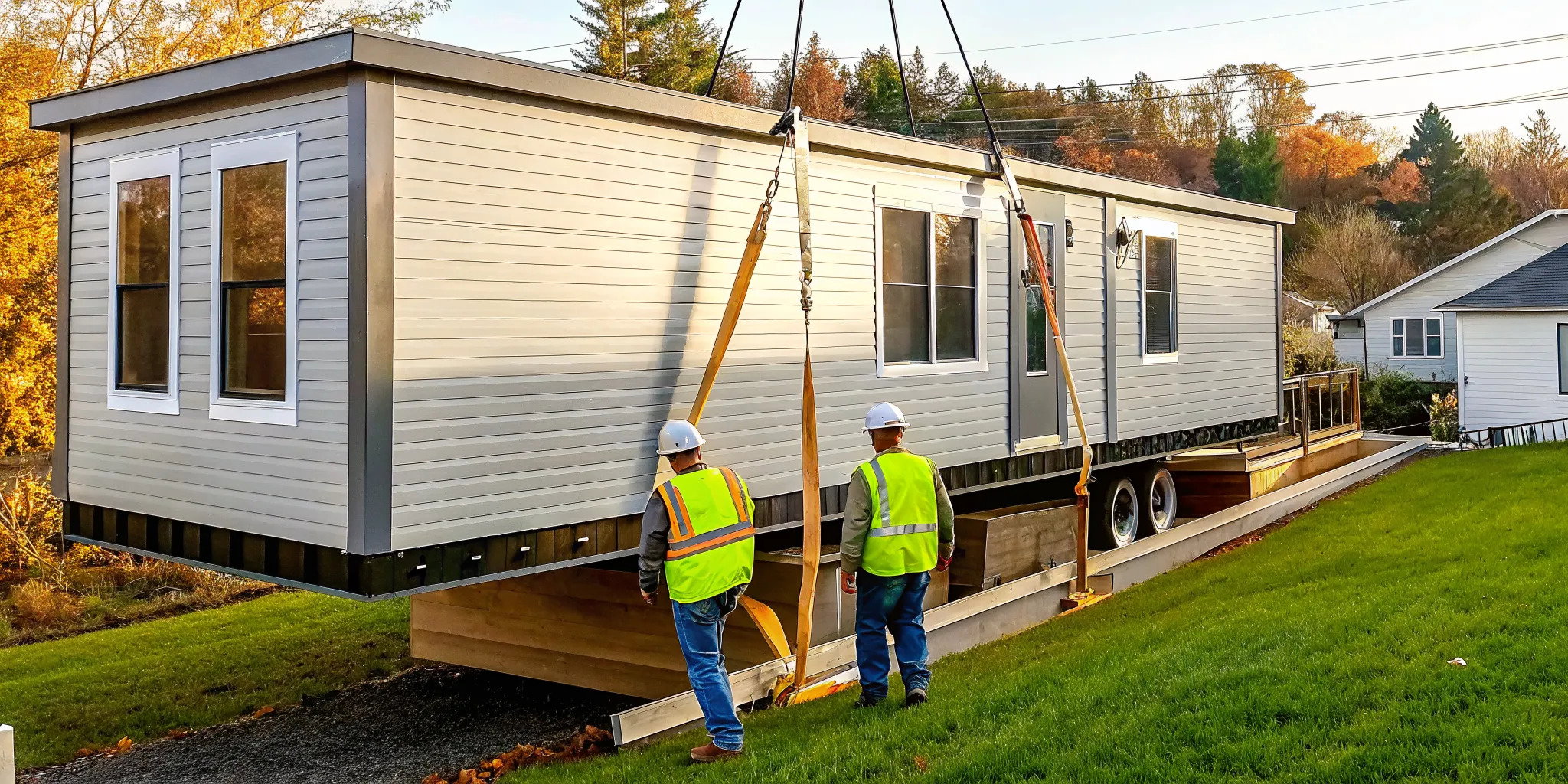
The journey of a modular home is quite different from a traditional build. It all starts inside a state-of-the-art factory. Each module of your home is built on an assembly line, which allows for incredible precision and quality control. This indoor process means no costly delays due to bad weather. Once the modules are complete, they are carefully transported to your property and expertly placed onto a pre-built foundation with a crane. After the sections are joined together, the final finishing work is completed on-site. From placement on the foundation, you could be ready to move in within a matter of weeks, a timeline that is much faster than a typical construction project. Our streamlined process is designed to make this experience smooth and predictable.
Modular vs. Manufactured: What's the Difference?
This is a common point of confusion, so let's clear it up. The main difference comes down to building codes and foundation. Modular homes are built to the same local, state, and regional building codes as traditional, site-built homes. Once assembled on a permanent foundation, they are considered "real property," just like any other house. In contrast, manufactured homes (sometimes called mobile homes) are built to a single federal standard, the HUD code. They are constructed on a permanent steel chassis, which is how they differ structurally. This distinction also affects financing, as modular homes typically qualify for conventional home mortgages, while manufactured homes often use different loan types.
Modular vs. Site-Built: A Quick Comparison
When you compare a modular home to a traditional site-built home, two major advantages stand out: time and money. Because the factory construction process is so efficient, a modular home can be built 30% to 60% faster than a comparable site-built home. This means you can move into your new home in months, not a year or more. This efficiency also translates to cost savings, with modular homes often being 10% to 20% less expensive. You get all the benefits of a brand-new home, including the ability to select from various customizable floor plans, without the extended timeline and higher price tag of conventional construction.
The Benefits and Drawbacks of Going Modular
Deciding on the right type of home is a huge step, and it’s smart to look at it from every angle. Modular homes offer some incredible advantages, but they also come with their own set of considerations. Just like any major purchase, weighing the pros and cons is the key to feeling confident in your choice. Let’s walk through what you can expect so you can decide if a modular home aligns with your vision for the future.
The Upsides: Why Choose a Modular Home?
One of the biggest draws of modular construction is the combination of quality and speed. Because these homes are built in a climate-controlled factory, the process isn't subject to weather delays, and materials are protected from the elements. This controlled environment allows for precision engineering and consistent quality checks at every stage. The result is a home built to exacting standards, often in just a matter of weeks, compared to the many months it can take for a traditional site-built home. This efficiency also means less material waste and lower labor costs, which are savings passed on to you.
Beyond the practical benefits, modular homes offer amazing design flexibility. You aren't just picking a model from a catalog; you have the power to customize floor plans, select finishes, and add energy-saving features to create a home that truly fits your lifestyle. You can explore a wide variety of modular homes to get a feel for the possibilities. This process gives you a custom-built feel without the lengthy timeline and higher price tag that often come with traditional custom construction, making it a cost-effective way to bring your dream home to life.
The Downsides: What to Consider Before You Commit
While the home itself is built off-site, you are responsible for the land it will sit on. This means you must own your property before the home can be delivered. You’ll also need to manage all the site preparation, which includes clearing the land, pouring the foundation, and ensuring utility hookups are ready to go. These site-work costs can be a significant part of your overall budget, and a transparent builder will walk you through our process so you know exactly what to expect.
It’s also important to budget for costs beyond the base price of the home. You’ll need to account for expenses like building permits and local impact fees, which can vary widely depending on your town's rules. These aren't "hidden" costs, but necessary project expenses separate from the home's construction. An experienced builder who knows the local regulations is key. They can help you create a comprehensive budget that includes these items from the start, preventing surprises and ensuring your project stays on track financially.
Breaking Down the Cost of a Modular Home
One of the first questions on everyone’s mind is, "What will this actually cost?" It’s a great question, and the answer has a few different parts. The price you see for the home itself is just the starting point. To get a true sense of your total investment, you need to look at the complete picture, from the land you build on to the final finishes. Thinking about these costs upfront is the best way to create a realistic budget and enjoy a smooth, predictable home-building journey. At Northern Mobile Homes, we believe in a transparent process where you feel informed and confident every step of the way. Let’s walk through the key financial pieces you’ll want to consider.
Understanding the Base Price
The base price of a modular home typically covers the cost of building the modules in the factory. This usually includes standard features like framing, insulation, drywall, basic flooring, cabinetry, windows, and doors. On average, you can expect the cost to be between $80 and $160 per square foot for the home itself, including installation. For a typical home, this might land somewhere between $160,000 and $320,000. Think of this as the foundational cost of your home's structure. It’s important to clarify with your builder exactly what’s included in their base price, as things like high-end finishes or custom appliances will add to this initial number. Exploring different modular homes can give you a better feel for what's possible within your budget.
Budgeting for Land and Site Prep
Before your beautiful new home can be delivered, the land needs to be ready for it. The cost of land and site preparation is a major part of your overall budget, sometimes making up a significant portion of the total project cost. If you don't already own land, that will be your first major purchase. After that comes site prep, which involves getting the property ready for construction. This can include clearing trees, leveling the ground, conducting soil tests, and pouring the foundation. These costs can vary widely depending on the condition of your lot, but budgeting between $4,000 and $11,000 is a reasonable starting point for many projects.
Planning for Unexpected Costs
No matter how well you plan, surprises can happen. That’s why building a contingency fund into your budget is one of the smartest things you can do. A good rule of thumb is to set aside an extra 15% to 20% of your total project cost for these unexpected expenses. This buffer can cover anything from needing a different type of foundation due to soil conditions to rising material costs. Other costs to remember include permits, utility hookups (water, sewer, electric), driveways, and landscaping. Thinking about these "soft costs" from the beginning helps prevent budget overruns and ensures you have the financing options in place to handle them.
Smart Ways to Manage Your Budget
Feeling a little sticker shock? Don't worry, there are plenty of ways to be strategic with your budget without sacrificing quality. One of the most effective ways to save is by choosing a standard home design from your builder's catalog. These plans are already optimized for efficiency, which can reduce your costs significantly compared to a fully custom design. Another great tip is to handle some of the finishing work yourself, if you’re handy. Taking on tasks like interior painting, landscaping, or building a deck can lead to real savings. The most important step is having an open conversation with your builder about your budget from day one so they can help guide your decisions.
How Can You Customize Your Modular Home?
One of the biggest misconceptions about modular homes is that they are one-size-fits-all. Nothing could be further from the truth. Customization is where the modular building process truly shines, giving you the power to create a home that is perfectly tailored to your life and your style. Forget cookie-cutter designs; modern modular homes offer a level of personalization that rivals, and sometimes even surpasses, traditional site-built homes. From the foundational layout to the smallest interior details, you are in the driver's seat.
This is your chance to design a space that works for you, whether you need an open-concept living area for entertaining, a quiet home office, or a primary suite that feels like a private retreat. The process is all about choice. You get to select the materials, finishes, and features that will turn a house into your home. As you explore the possibilities, you’ll see that you can create a home that is not only beautiful and functional but also a true reflection of your personality. You can see some of the stunning results by exploring our diverse collection of modular homes.
Designing Your Ideal Floor Plan
The floor plan is the heart of your home’s design, and with a modular home, you have incredible flexibility. You can start by looking at existing multi-section home plans and making adjustments, like moving a wall, adding a window, or expanding a room. If you have a specific vision, you can even bring your own custom floor plan to the table. This freedom allows you to create a layout that fits your family’s unique needs. Want a spacious kitchen that opens into the living room? Done. Need an extra bedroom on the first floor for guests or aging parents? You can plan for that. The goal is to build a home that flows with your lifestyle, not to force your life to fit into a pre-existing box.
Choosing Your Interior Finishes
This is where you can really let your personality shine. Customizing your interior finishes means you get to choose all the details that make a house feel special. Think about everything from the flooring under your feet to the light fixtures overhead. You can select your preferred style of cabinetry, countertops, and backsplashes for the kitchen and bathrooms. You also get to pick out paint colors, trim, and interior door styles. The possibilities are nearly endless, allowing you to create a cohesive look that feels uniquely you. Our team follows a straightforward building process that ensures all your design choices are perfectly integrated into your new home.
Personalizing Your Home's Exterior
Your home’s exterior is the first impression it makes, so it’s important that it reflects your taste. Modular homes offer a wide array of options for creating fantastic curb appeal. You can choose from various types and colors of siding, whether you prefer classic vinyl, durable fiber cement, or another material. You’ll also select your roofing, window styles, and the design of your front door. Want to add architectural character? You can incorporate features like dormers, gables, or a welcoming front porch. As a family-owned business, we pride ourselves on the personalized service we provide to help you design an exterior that you’ll love coming home to every day.
Adding Energy-Efficient Upgrades
Building a new home gives you a fantastic opportunity to incorporate energy-saving features from the start, and modular construction makes it easy. You can choose to add upgrades that will lower your utility bills and make your home more comfortable year-round, which is a huge plus in New England. Consider options like triple-pane windows for better insulation, a high-efficiency HVAC system, or extra insulation in the walls and ceiling. Because your home is built in a controlled factory environment, these features are installed with precision, ensuring they perform at their best. These smart choices not only save you money over the long term but also contribute to a more sustainable and environmentally friendly home.
Creating Your Perfect Outdoor Space
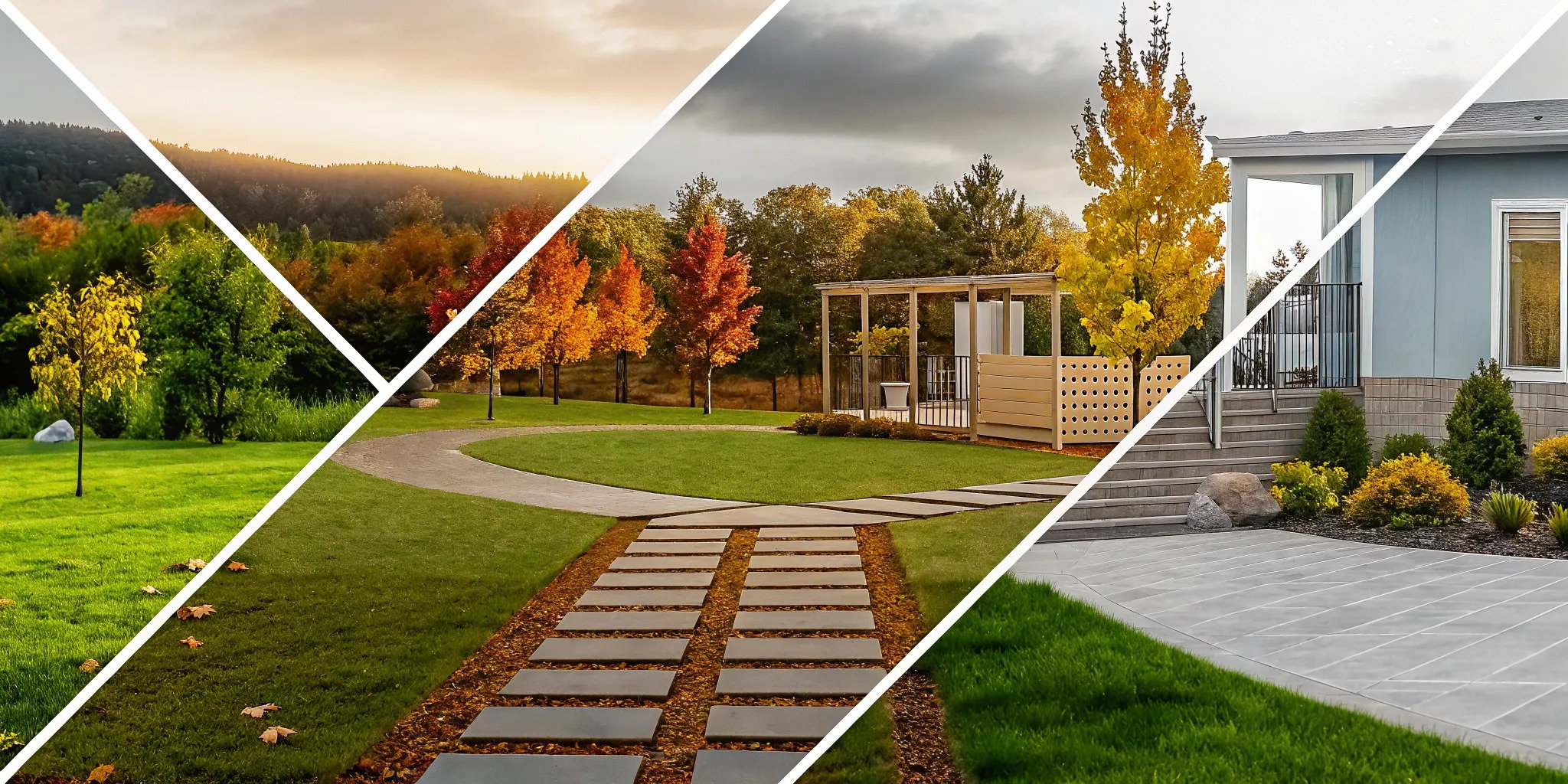
Your living space doesn't have to end at your walls. When planning your new home, think about how you want to use your outdoor areas. You can design a deck for summer barbecues, a patio for a quiet morning coffee, or a garden where you can get your hands dirty. While some of these projects can be included in the initial build, you can also plan for them as future additions. If you're handy, you can even save some money by taking on projects like landscaping or building a simple deck yourself. Factoring these outdoor living spaces into your overall plan and financing options will help you create a complete and cohesive home environment from day one.
Let's Debunk Some Modular Home Myths
Modular homes have gained a lot of attention, but with that comes a lot of misinformation. It's easy to get tangled up in outdated ideas or confusing comparisons. If you've heard things that make you hesitate, you're not alone. Many of these myths stem from a simple misunderstanding of what a modern modular home really is and how it's built. The technology and quality standards in the modular industry have advanced so much, but the old perceptions haven't always kept up. Let's clear the air and look at some of the most common myths about modular homes. We'll separate the facts from the fiction so you can feel confident in your home-buying research and make a decision that’s right for you and your family.
Myth #1: "They aren't as durable as traditional homes."
This is one of the biggest misconceptions out there. The truth is, modular homes are built to meet or even exceed the same local and state building codes as traditional, site-built homes. They are constructed in a climate-controlled factory, which is a huge advantage. This process protects high-quality building materials from weather damage like rain or snow, preventing issues like warping or mold. Each module is engineered for strength to withstand transportation to the site and being lifted by a crane. This often results in a structure that is even more robust than a comparable site-built home. Our building process ensures every home is crafted with precision and care from start to finish.
Myth #2: "They're the same as mobile homes."
This is a common point of confusion, but modular and manufactured (or mobile) homes are very different. A manufactured home is built on a permanent steel chassis and can be moved, which is why it's classified as personal property, like a vehicle. A modular home, on the other hand, is transported in sections to your land and assembled on a permanent foundation. Once it's placed, it's legally considered "real property," just like a traditional house. This distinction is crucial because it affects everything from zoning laws to financing and resale value. Our modular homes are designed to be a permanent, beautiful part of your property for a lifetime.
Myth #3: "You can't customize the design."
This myth couldn't be further from the truth. The term "modular" refers to the construction process, not the design limitations. Modern modular homes offer incredible design flexibility. You aren't just picking a box from a catalog. You can work with builders to choose from a wide variety of floor plans, and then customize them to fit your family's needs and style. From open-concept living areas and extra bedrooms to specific types of siding, roofing, and interior finishes, you have a say in creating a home that is uniquely yours. You can explore a range of customizable homes to see just how much personalization is possible.
Myth #4: "They lose value quickly."
Because people often confuse them with mobile homes, they assume modular homes depreciate. However, since modular homes are built to the same standards as site-built homes and are considered real property, they appreciate in value over time, just like the other houses in your neighborhood. A well-maintained modular home in a good location will grow in value. In fact, because the initial cost is often 10-20% less than a comparable site-built home, you start with a strong financial advantage. The modular home industry is growing precisely because it offers a high-quality, affordable path to homeownership without sacrificing long-term value.
Myth #5: "Getting a loan is difficult."
Financing a modular home is much more straightforward than you might think. Since they are permanently attached to land and classified as real property, they qualify for the same types of mortgages as traditional homes. This includes conventional loans, FHA loans, and VA loans. Lenders treat them the same as site-built properties, so you won't face unique hurdles just because your home was built off-site. We can help you explore the financing options available and connect you with lenders who are experienced with modular home construction loans, making the process smooth and predictable from the start.
Is a Modular Home a Smart Investment?
When you’re making one of the biggest purchases of your life, you want to know you’re making a sound financial choice. So, let's talk about what a modular home means for your wallet, both now and in the future. An investment isn't just about the initial price tag; it's about resale value, long-term savings, and the durability of what you're buying. A modular home performs well across all these areas, making it a very smart move for many homebuyers.
From the lower initial building costs to the monthly savings on your energy bills, the financial benefits start on day one and continue for as long as you own your home. Let's break down exactly why a modular home is an investment you can feel confident about.
Exploring Resale Value and Appreciation
One of the most persistent myths about modular homes is that they don't hold their value. Let's clear this up: modular homes appreciate in value the same way traditional, site-built homes do. Because they are built to the same local building codes, permanently attached to a foundation, and appraised using the same standards, their value grows with the market. Factors like location, home maintenance, and neighborhood appeal will influence your home's value, just like any other house on the block.
In fact, you might even start with a financial advantage. Modular homes are often 10% to 20% less expensive to build than comparable site-built homes. This means you can build more equity from the start. By choosing from a variety of beautiful and modern modular homes, you are investing in a property that will grow in value over time.
Calculating Long-Term Savings from Energy Efficiency
Your home's cost doesn't end once the construction is complete. Monthly utility bills are a significant part of homeownership, and this is where modular homes really shine. The precision of factory construction creates a tighter building envelope. Seams fit together perfectly, windows are sealed flawlessly, and insulation is installed with incredible accuracy. This superior construction minimizes air leaks, which means your heating and cooling systems don't have to work as hard.
This efficiency translates directly into lower energy bills every month. Plus, our building process allows for easy integration of other energy-saving features, like high-efficiency windows and modern HVAC systems. Over the years, these monthly savings add up, significantly reducing the total cost of owning your home and making it a financially savvy and environmentally friendly choice.
Understanding Durability and Lifespan
A home is only a good investment if it's built to last. Modular homes are engineered for exceptional strength and durability. Each module is constructed to withstand the stress of being transported to the homesite and lifted by a crane, which requires a level of structural integrity that often exceeds standard building codes. This extra reinforcement results in a home that is incredibly sturdy and resilient.
Furthermore, the factory environment protects building materials from weather damage like rain, snow, and humidity, which can compromise the quality of a site-built home. The controlled setting also allows for more thorough inspections at every stage of construction, unlike a traditional build which may only have a few key check-ins. This meticulous attention to detail ensures your home is built to the highest quality standards, giving you peace of mind that your investment will stand the test of time.
How to Finance Your Modular Home
Let's talk about money. It can be an intimidating part of the home-buying process, but it doesn't have to be. The great news is that financing a modular home is a lot like financing a traditional, site-built house. Once your new home is placed on its permanent foundation, lenders view it as "real property," just like any other house on the block. This is a key detail because it opens up a wide range of familiar mortgage options for you to explore, putting you on equal footing with any other homebuyer.
You aren't limited to special, hard-to-find loans. Instead, you can access the same types of mortgages you would for a site-built home, from conventional loans to government-backed programs. This gives you the flexibility to find a loan that fits your financial situation. At Northern Mobile Homes, we've seen it all and can point you toward lenders who understand the modular building process. We have a list of trusted partners and can help you explore your financing options to find the best fit for your budget and goals. Our role is to make this part of your experience feel straightforward and transparent, so you can focus on the exciting parts, like designing your future home.
Finding the Right Mortgage
With several mortgage types available, you can find one that works for you. A Construction-to-Permanent Loan is a popular choice because it combines the financing for the build and the mortgage into a single loan, which can save you time and closing costs. Other common options include Conventional Loans, which are great if you have a strong credit history, and government-backed loans like FHA, VA, and USDA loans. These can be excellent choices if you're a first-time buyer, a veteran, or planning to build in a qualifying rural area, as they often have more flexible credit requirements and lower down payments.
Tips for a Smooth Financing Process
To make the financing stage as stress-free as possible, a little preparation goes a long way. First, get pre-approved for a loan before you even start looking at floor plans. This gives you a clear, realistic budget to work with from the very beginning. Second, it's wise to build a 15-20% cushion into your budget for any unexpected costs that might pop up. Finally, make sure your builder's contract is crystal clear. Our team walks you through every detail of our process so you know exactly what is and isn't included, ensuring there are no surprises along the way.
Choosing the Right Modular Home Builder
Finding the right builder is arguably the most important decision you'll make on your home-building journey. This is the team you’ll partner with to bring your vision to life, so you want to choose a company you trust completely. A great builder makes the process feel exciting and straightforward, while the wrong one can turn your dream project into a series of headaches. The key is to do your homework and ask the right questions from the start.
Focus on a few core areas: the quality of their work, how much you can customize the design, their approach to pricing and warranties, and how they handle the final delivery and installation. A builder who is confident and transparent in all these areas is likely a partner you can count on. Taking the time to vet your options thoroughly will give you peace of mind and ensure the final product is a home you’ll love for years to come.
Look for Quality Construction and Materials
The quality of a modular home starts with the materials and craftsmanship that go into it. Because these homes are built in a controlled factory environment, builders can use high-quality, brand-name materials that are protected from the elements during construction. When you’re speaking with potential builders, don’t be shy about asking for specifics. What brands of windows, flooring, and appliances do they use? Can they show you examples of their finished homes? A reputable builder will be proud to walk you through their construction standards and show off their past projects. Look for a portfolio that demonstrates attention to detail and a commitment to durability.
Ask About Design Flexibility
One of the best parts of building a modular home is the ability to make it your own. Your home should be a reflection of your lifestyle and taste, not a cookie-cutter box. Before you commit to a builder, get a clear sense of their design flexibility. Can you move walls, add windows, or create a custom kitchen layout? A good builder will work with you to tailor a floor plan to your exact needs. Come to the conversation with a list of your must-haves and nice-to-haves. Their willingness to explore creative solutions and accommodate your ideas is a great indicator of the customer service you can expect throughout our process.
Verify Cost Transparency and Warranties
Talking about money can be uncomfortable, but it’s essential for a smooth building process. A trustworthy builder will provide a clear and detailed quote that explains exactly what is and isn’t included in the price. Ask for a breakdown of costs so you can avoid surprises down the road. You should also ask for detailed information about their warranty. What does it cover, and for how long? A comprehensive warranty is a sign that the builder stands behind their work. Understanding the full financial picture, from the base price to potential upgrades and long-term protection, is a critical step in planning your financing.
Understand the Delivery and Installation Process
A modular home isn’t finished when it leaves the factory. The delivery and installation, often called the "set," is a complex process that requires precision and expertise. Ask potential builders to walk you through their entire procedure. Who coordinates the delivery? What does the installation involve? What site work costs, like foundation, septic, and utility hookups, are you responsible for? These services often come with separate costs, so you’ll want a complete estimate upfront. A builder who manages this final stage seamlessly ensures that your home is assembled correctly and that the transition to move-in day is as smooth as possible.
Is a Modular Home the Right Choice for You?
Deciding on the right type of home is a huge step, and it really comes down to what matters most to you and your family. If you're weighing your options, thinking about a modular home is a smart move. To figure out if it’s the perfect fit, let's consider what a modular home offers.
Are you working with a specific budget and timeline? Modular homes often cost less than site-built homes and are constructed much faster. Because the building process happens in a controlled factory setting, you avoid weather delays and can often move in just weeks after the home is set on its foundation. This efficiency can be a game-changer, especially for first-time buyers or anyone eager to settle into their new life.
How important is it for your home to feel like you? One of the best parts about modular homes is their design flexibility. You aren't just picking a pre-made box; you're working with a builder to choose floor plans, finishes, and features that match your style, from cozy vacation cottages to spacious family homes. Plus, once your home is placed on its foundation, it's considered "real property," which means you can explore the same types of financing options as you would for a traditional home. It’s all about getting a high-quality, custom home without the typical timeline or price tag.
Is a modular home the same thing as a mobile home? This is a great question, and the answer is no, they are very different. The main distinction comes down to the building code and foundation. A modular home is built to the same local and state codes as a traditional house and is placed on a permanent foundation, making it "real property." A manufactured home, sometimes called a mobile home, is built to a single federal code (the HUD code) and has a permanent steel chassis, which classifies it differently for financing and zoning.
How long does the whole process take, from start to finish? One of the biggest advantages of going modular is the speed. While every project is unique, you can generally expect to be in your new home much faster than with a traditional build. From finalizing your design to move-in day, the process can take just a few months. The factory construction itself is very efficient, and once the modules are delivered to your site, the final assembly and finishing work can be completed in a matter of weeks.
How much can I actually customize my home? You can customize your home a great deal. The term "modular" describes the building process, not the design style. You can start with one of our existing floor plans and make adjustments, like moving walls or adding windows, or you can work with us to create a completely custom layout. You also get to choose all your interior and exterior finishes, from siding and roofing to cabinets, countertops, and flooring, to create a home that truly reflects your personal style.
What costs should I budget for besides the price of the home itself? The base price of the home is just one part of the total project cost. You also need to budget for the land if you don't already own it, as well as all the site preparation. This includes things like clearing the lot, pouring the foundation, and connecting utilities like water, sewer, and electricity. Other expenses to plan for are building permits, driveways, and landscaping. We help you create a comprehensive budget from the start so there are no surprises.
Will my modular home be a good long-term investment? Absolutely. Because modular homes are built to the same standards as site-built homes and are legally considered real property, they appreciate in value right along with the other houses in your neighborhood. A well-maintained modular home in a good location is a solid investment. In fact, since the initial construction cost is often lower, you can start building equity from day one.