Your Guide to Energy Efficient Manufactured Homes
Find out how energy efficient manufactured homes can lower your utility bills, increase comfort, and help you make a smart, eco-friendly investment.
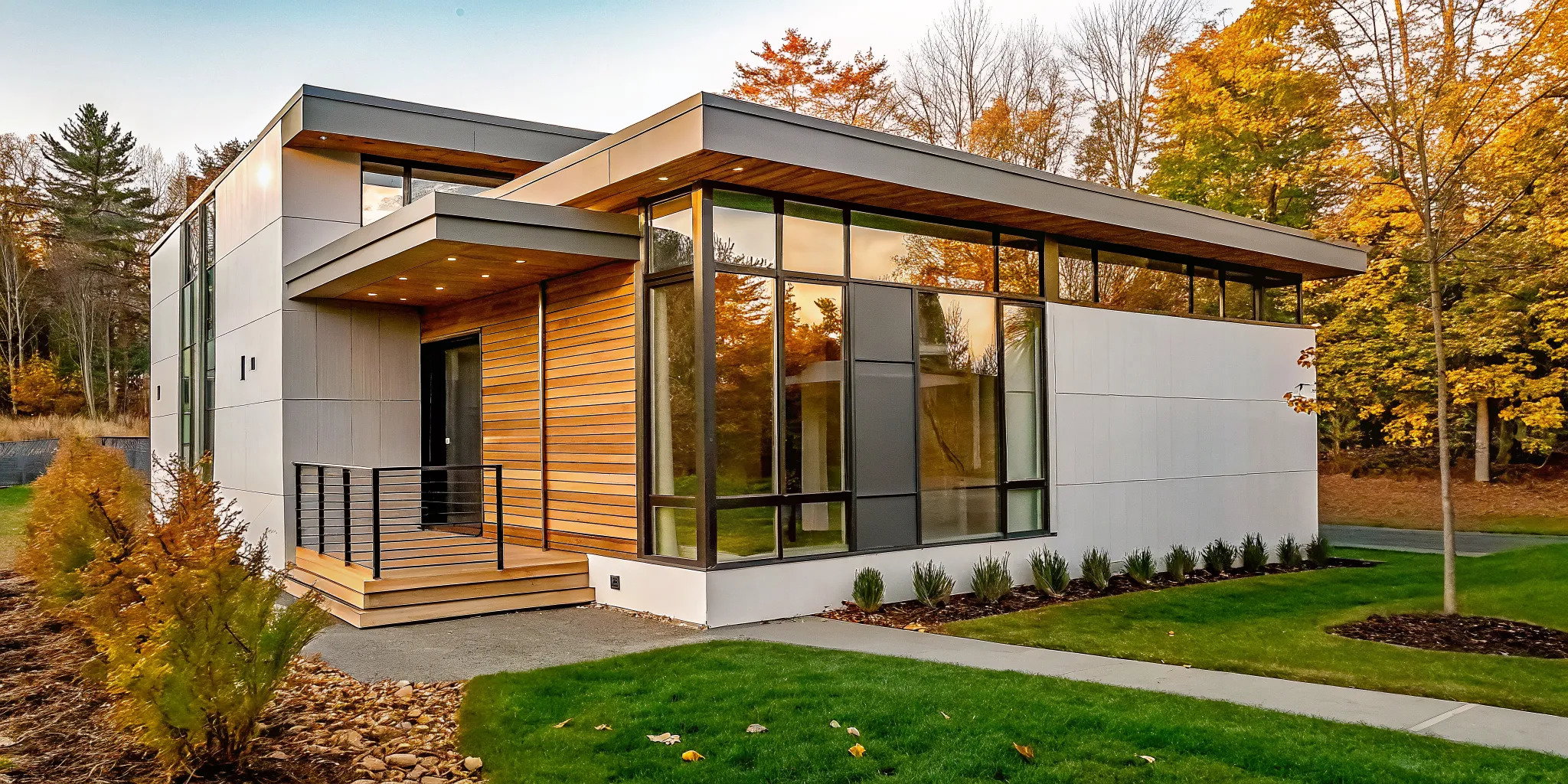
When you hear the term "manufactured home," an outdated image might come to mind. It’s time for a major update. Today’s factory-built homes are at the forefront of building innovation, offering quality and performance that often surpasses traditional construction. The best examples are modern energy-efficient manufactured homes. These structures are engineered with precision to minimize energy waste, resulting in a stronger, quieter, and more affordable home. This guide will clear up the common myths and show you the impressive reality of these high-performance homes, from their construction process to their long-term financial benefits.
Key Takeaways
- Factory Precision Creates Built-In Efficiency: The controlled factory environment used to build modern manufactured homes allows for meticulous construction. This process creates a tightly sealed thermal envelope with superior insulation and high-performance windows, resulting in a home that is inherently energy-efficient from day one.
- Lower Bills Make for a Smarter Investment: Choosing an energy-efficient home is a sound financial decision that can reduce your monthly utility costs by 20% to 30%. These long-term savings, along with potential tax credits, help offset any initial investment in efficient features, making it an affordable choice.
- You Have the Power to Improve Efficiency: Whether you are customizing a new build or upgrading an older home, you can make a significant impact. Simple actions like sealing air leaks and updating appliances, or choosing ENERGY STAR® features for a new home, give you control over your comfort and energy costs.
What Is an Energy-Efficient Manufactured Home?
An energy-efficient manufactured home is simply a home built with smart design and materials to reduce your energy use, lower your utility bills, and keep you comfortable year-round. Think of it as a home that works smarter, not harder. Just like traditional site-built houses, modern manufactured homes can be built to incredible standards of energy efficiency. The key difference is that they are constructed in a controlled factory environment. This indoor process allows for a level of precision and quality control that’s tough to match on an outdoor construction site exposed to the elements.
This precision ensures that every component, from the insulation to the windows, is installed perfectly to create a tight, well-sealed home that minimizes drafts and heat loss. But this isn't about sacrificing style for function. Today’s manufactured homes come in a huge variety of beautiful designs and customizable floor plans. You get the home you want, with the added bonus of significant long-term savings and a smaller environmental footprint. At Northern Mobile Homes, we believe building efficiently is just part of building a quality home, which is why you’ll see these principles reflected in our homes. It’s a win for your wallet and a win for the planet.
How They Compare to Site-Built Homes
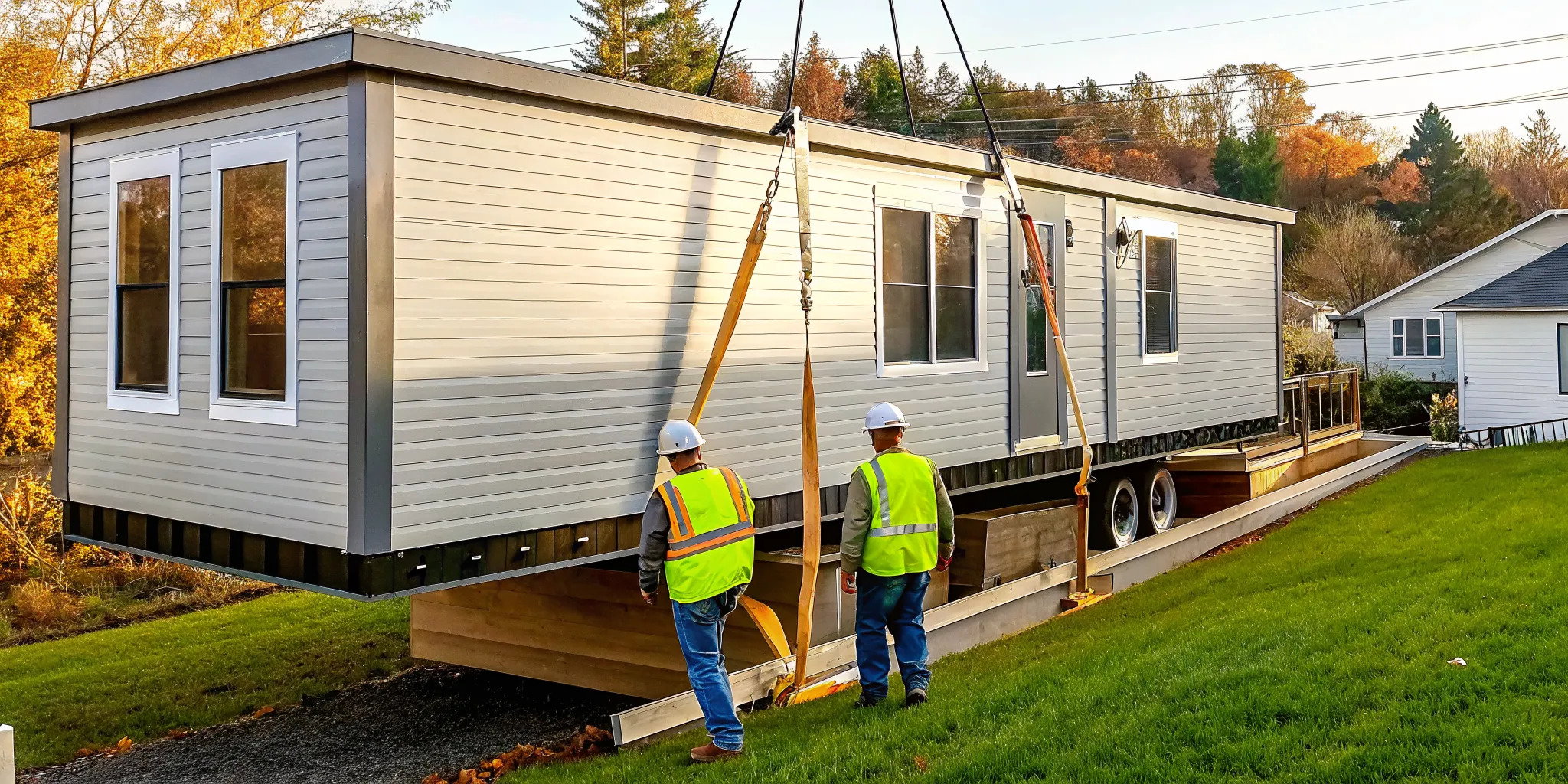
It’s a common question: how does a manufactured home stack up against a traditional site-built home when it comes to efficiency? The truth is, they compare incredibly well. Today’s manufactured homes offer all the design flexibility you’d expect, with a wide range of floor plans and finishes. The real advantage, however, lies in the construction process. Building a home in a factory setting protects materials from weather damage and allows for meticulous quality control. This precision helps create a tighter building envelope, which is essential for preventing air leaks and maintaining a consistent indoor temperature. Following our process, we can ensure every seam is sealed and every piece of insulation is perfectly placed, leading to superior energy performance from day one.
Key Standards and Certifications to Know
When you're looking for an energy-efficient home, one name stands out: ENERGY STAR®. A home that is ENERGY STAR® certified has been designed, built, and independently verified to meet strict requirements set by the U.S. Environmental Protection Agency. These homes are typically 10% more efficient than homes built to the standard code, and sometimes much more. This certification isn't just a sticker on a window; it’s a guarantee that your home includes features like high-performance windows, tight construction and ductwork, and efficient heating and cooling systems. Choosing a home built to these standards ensures you’re getting a product that is proven to save energy and money from the moment you move in.
Busting Common Energy-Efficiency Myths
Let's clear the air on an old myth: the idea that manufactured homes are drafty or inefficient. This couldn't be further from the truth for modern homes. Thanks to advanced building techniques and high-quality materials, a new energy-efficient manufactured home can use 20% to 30% less energy than a standard new home. This translates directly into real savings for you every single month on your heating and cooling bills. The investment in energy-efficient features pays for itself over time, making homeownership more affordable in the long run. When you factor in lower utility costs, it can even make securing financing a more straightforward process.
What Makes a Manufactured Home Energy-Efficient?
When you picture an energy-efficient home, you might imagine a roof covered in solar panels. While that’s one piece of the puzzle, true efficiency is built right into the home’s DNA. It’s a complete system where every component works together to keep you comfortable while keeping your utility bills down. Modern manufactured homes are designed from the ground up with this principle in mind, combining smart construction techniques with advanced technology.
Unlike older models, today’s homes are built in a controlled factory environment, which allows for incredible precision in sealing and construction. This process minimizes the gaps and drafts that plague many traditional site-built homes. From superior insulation and high-performance windows to efficient appliances and smart thermostats, every detail is chosen to reduce energy waste. The result is a home that not only saves you money but also provides a healthier, more comfortable living space. Let’s look at the key features that make these modern homes so efficient.
Superior Insulation and Air Sealing
Think of insulation as a cozy blanket for your home. It’s one of the most critical factors in maintaining a comfortable indoor temperature and reducing your heating and cooling costs. In an energy-efficient manufactured home, insulation isn’t an afterthought; it’s a core component. We’re talking about high-grade insulation in the walls, the roof, and even underneath the home in the "belly." This complete thermal envelope keeps the warm air in during New England winters and the cool air in during the summer.
Just as important is air sealing. Tiny cracks and gaps around windows, doors, and fixtures can lead to significant energy loss. Energy-efficient manufactured homes are meticulously sealed to prevent these drafts, ensuring the air you paid to heat or cool stays inside. Insulated skirting around the base of the home adds another layer of protection against the elements.
High-Performance Windows and Doors
Your windows and doors are gateways to the outdoors, but they can also be major sources of energy loss. If you’ve ever stood next to a drafty window on a cold day, you know exactly what I mean. That’s why high-performance windows and doors are non-negotiable in an energy-efficient home. These aren’t your standard single-pane windows. We’re talking about double- or even triple-pane windows, often filled with an insulating gas like argon to slow heat transfer.
Many of these components are ENERGY STAR® certified, which means they meet strict energy performance standards set by the EPA. These certified windows and doors are proven to lower energy bills and keep your home more comfortable year-round. They’re designed to block UV rays in the summer and prevent heat from escaping in the winter, giving you the best of both worlds.
Efficient HVAC and Sealed Ductwork
Your heating, ventilation, and air conditioning (HVAC) system is the heart of your home’s comfort, but it can also be its biggest energy consumer. An energy-efficient manufactured home pairs a high-efficiency furnace and air conditioner with a smartly designed, tightly sealed duct system. Leaky ducts in a traditional home can lose a significant amount of heated or cooled air before it ever reaches the rooms. Because our homes are built with a precise construction process, we ensure that ductwork is sealed tight to deliver air exactly where it’s supposed to go.
To top it off, many new homes come with a smart thermostat. These devices learn your schedule and preferences, automatically adjusting the temperature to save energy when you’re away or asleep. You can even control them from your phone, giving you complete command over your home’s climate and your energy bills.
ENERGY STAR® Appliances and Lighting
Every appliance in your home contributes to your monthly utility bill, from the refrigerator to the washing machine. Opting for energy-efficient models is one of the easiest ways to reduce your overall consumption without changing your lifestyle. That’s why our homes feature a full suite of ENERGY STAR® certified appliances. These products are designed to provide the same or better performance while using significantly less energy than their standard counterparts.
A home equipped with these efficient products can save a family hundreds of dollars each year on utility bills. This includes everything from your kitchen appliances to your water heater and light fixtures. Combined with energy-saving LED lighting throughout the home, these features add up to substantial long-term savings and a smaller environmental footprint.
Smart Home Technology
Smart home technology ties all of these efficient features together and puts you in control. Beyond the smart thermostat, you can integrate smart lighting, plugs, and other devices to fine-tune your home’s energy use. Forget to turn off a light before leaving for vacation? Just tap a button on your phone. Want to program your lights to turn on and off automatically? You can do that, too.
This technology empowers you to monitor and manage your energy consumption in real time. It provides the data and control you need to make informed decisions that lower your bills and reduce waste. By integrating these features into our customizable manufactured homes, we make it simple to live a more efficient and connected lifestyle from the day you move in.
How Much Can You Save with an Energy-Efficient Home?
Choosing an energy-efficient home is one of the smartest financial decisions you can make. Beyond the comfort and quality, the real magic happens when you see the long-term savings add up. It’s not just about a lower number on your utility bill each month, although that’s a huge perk. The savings also come from government incentives and the simple fact that you’re making a wise investment in your future. Let’s break down exactly how much you can expect to save and where those savings come from.
Lowering Your Monthly Utility Bills
The most immediate and noticeable financial benefit of an energy-efficient home is the reduction in your monthly utility bills. Because these homes are built with superior insulation, high-performance windows, and efficient appliances, they simply require less energy to heat and cool. In fact, energy-efficient manufactured homes can use 20% to 30% less energy than standard homes. Some see savings as high as 60%.
A home equipped with ENERGY STAR® certified products can save you around $450 every year on energy costs alone. Imagine what you could do with that extra money. These savings are built right into the design of our homes, giving you a financial advantage from the day you move in.
Finding Tax Credits and Rebates
On top of monthly savings, you can often find financial incentives from the government and local utility companies. These programs are designed to encourage homeowners to make energy-conscious choices. You might be eligible for tax credits, which directly reduce the amount of income tax you owe, or cash rebates on the purchase of your home or specific appliances.
The best way to find these opportunities is to do a little research. The Department of Energy (DOE) has resources to help you find incentives in your area. Taking a few minutes to look up these programs can put a surprising amount of money back in your pocket, making your new home even more affordable.
Financing Your Energy-Efficient Home
If you’re worried about securing a loan, you can relax. Getting a mortgage for an energy-efficient manufactured home is very similar to financing a traditional site-built home. These homes are a fantastic, affordable option for many families, and lenders recognize their value. In some cases, you may even qualify for special "green mortgages" that offer better interest rates or terms for energy-efficient properties.
We believe everyone deserves a path to homeownership without financial stress. That’s why we walk you through all the financing options available to you. Our team is here to help you find a plan that fits your budget, so you can feel confident and excited about your investment.
Calculating Your Long-Term ROI
Thinking about the long-term return on your investment (ROI) is a smart move. While an energy-efficient home may have a slightly higher upfront cost due to its high-quality features, those costs are quickly offset by your monthly savings. Every dollar you save on heating and cooling helps pay back that initial investment over time.
This makes an energy-efficient home not just a place to live, but a sound financial asset. As energy prices continue to change, your savings will become even more significant. We guide you through our process from start to finish, ensuring the features you choose provide the best possible value for years to come.
Are Energy-Efficient Homes Eco-Friendly?
When you hear "energy-efficient," your mind probably goes straight to lower utility bills, which is definitely a huge perk. But there’s another major benefit that’s just as important: a gentler impact on our planet. So, are energy-efficient homes truly eco-friendly? The short answer is a resounding yes. It’s not just about the energy you save once you move in; it’s also about how the home is built and the materials used.
An eco-friendly approach to housing considers the entire lifecycle of a home, from the first nail to the day-to-day living. Modern manufactured homes are designed with this big picture in mind. They combine smart construction techniques with sustainable materials to create a living space that is both comfortable for you and kind to the environment. Let’s look at how an energy-efficient home reduces its environmental impact through a smaller carbon footprint, sustainable building practices, and minimal construction waste.
A Smaller Carbon Footprint
Think of a carbon footprint as the total amount of greenhouse gases generated by our actions. A significant portion of a typical household's footprint comes from energy consumption for heating, cooling, and electricity. An energy-efficient manufactured home tackles this head-on, using an average of 20% to 30% less energy than a standard home. This reduction means power plants burn fewer fossil fuels on your behalf, leading to a direct decrease in air pollution. It’s a simple equation: less energy used equals a smaller carbon footprint. Plus, saving hundreds on energy bills each year is a wonderful bonus that makes sustainable living even more rewarding.
Building with Sustainable Materials
The eco-friendly story of a manufactured home begins long before it arrives at your property. The factory-controlled building process allows for incredible precision and intention. We follow a streamlined building process that prioritizes high-quality, sustainable materials that are built to last. This includes everything from the insulation packed into the walls to the windows that keep your home comfortable year-round. By choosing materials and construction methods that are better for the environment, we create homes that are healthier for you and the planet. It’s about building smarter, not just harder.
Minimizing Construction Waste
If you’ve ever walked past a traditional home construction site, you’ve likely seen overflowing dumpsters filled with wood scraps, drywall pieces, and other discarded materials. Building in a factory environment drastically changes this picture. Materials are protected from weather damage, precision-cutting technology ensures almost every inch is used, and any leftover scraps are often recycled. This process significantly reduces the amount of waste that ends up in a landfill compared to site-built construction. The result is a beautifully crafted, high-quality home that was built with maximum efficiency and minimal environmental impact, which you can see in all of our homes.
What Renewable Energy Options Work for Manufactured Homes?
Pairing your energy-efficient manufactured home with renewable energy is a fantastic way to lower your utility bills even further and reduce your environmental impact. Modern manufactured homes are perfectly suited for these technologies, especially when they are planned during the initial design phase. You can create a home that is not only comfortable and beautiful but also incredibly self-sufficient. From harnessing the power of the sun to tapping into the earth's natural temperature, you have several great options to consider.
Thinking about renewable energy isn't just for the eco-conscious; it's a practical financial decision that adds long-term value to your home. As you explore the different types of manufactured and modular homes, you can work with us to see how systems like solar panels or geothermal heat pumps can be integrated right from the start. Let’s walk through some of the most popular and effective renewable energy solutions for your new home.
Integrating Solar Panels
Solar panels are one of the most popular renewable energy choices for homeowners, and for good reason. These panels capture sunlight and convert it into electricity to power your home. By generating your own power, you can significantly reduce your monthly energy bills and gain more independence from the local utility grid. It’s a powerful way to make your home more sustainable and cost-effective over the long run.
The great thing about building a new manufactured home is that we can plan for solar from day one. Integrating solar panels into the design ensures they are placed for optimal sun exposure and seamlessly fit with your home's aesthetic. The U.S. Department of Energy highlights how these systems can be incorporated into energy-efficient manufactured homes to lower your environmental impact and save you money.
Using Solar for Water Heating
Beyond generating electricity, solar energy can also be used to heat your water, which is another major household energy expense. A solar water heating system uses collectors, often placed on the roof, to absorb the sun's heat and transfer it to your water tank. It’s a simple and effective way to cut down on the energy needed to run your water heater.
For manufactured homes, you have a couple of options. Lightweight solar collectors can often be installed directly on the roof. If a heavier system is needed, it can be placed on the ground next to your home. This is an especially practical solution for homes that are set on a permanent foundation, which is typical for our customers in New England. It’s another smart investment that pays for itself over time through consistent energy savings.
Exploring Geothermal Systems
Geothermal systems offer a highly efficient way to heat and cool your home by using the earth's natural, stable temperature. A few feet below the ground, the temperature remains consistent year-round, regardless of the weather outside. A Geothermal Heat Pump (GHP) circulates fluid through underground pipes to transfer heat from the ground into your home in the winter and pull heat out of your home in the summer.
Because this technology requires installing a system of underground pipes, it is best to include it during the initial home setup. Integrating a geothermal system is a key part of our building process for clients who choose this option. It’s an ideal solution for manufactured homes that will remain in a fixed location, providing you with quiet, reliable, and incredibly low-cost heating and cooling for decades.
Aiming for Net-Zero with Energy Storage
Imagine your home producing as much energy as it consumes over the course of a year. That’s the idea behind a net-zero home. This impressive goal is achievable by combining a highly energy-efficient home design with a renewable energy system like solar panels. Some manufacturers even offer homes that are specifically designed to be "Net Zero Ready," making it easier than ever to reach this standard.
To get even closer to full energy independence, you can add an energy storage system, like a home battery. A battery stores the excess electricity your solar panels generate during the day, so you can use it at night or on cloudy days. This reduces your reliance on the grid even more and provides a reliable backup power source. It’s the ultimate step in creating a resilient and sustainable home.
How to Make an Older Manufactured Home More Efficient
Living in an older manufactured home has its own unique charm, but it can also come with the challenge of higher energy bills and drafty rooms. The good news is that you don't have to start from scratch to create a more comfortable and cost-effective living space. With a few strategic upgrades, a process often called retrofitting, you can significantly improve your home's energy performance. These changes help keep your home warmer in the winter and cooler in the summer, all while lowering your monthly utility costs.
Making your home more efficient is one of the best investments you can make. It not only adds to your comfort but also increases your home's value. While our new manufactured and modular homes are built from the ground up with the latest energy-saving technology, you can apply many of the same principles to an existing structure. From simple weekend projects to larger renovations, there are steps you can take to seal up your home, improve its insulation, and reduce its overall energy consumption. The following tips will walk you through the most effective ways to make your older manufactured home a model of efficiency.
Upgrade Your Insulation
Proper insulation is your home's first line of defense against the elements. In many older manufactured homes, insulation can be lacking or may have settled over time. A great place to start is by adding insulation to the "belly," which is the underside of your home. This helps prevent cold air from seeping up through the floor. You can also add insulation to the roof cavity or install a roof cap to reduce heat loss. Insulated skirting around the base of your home is another fantastic upgrade, as it creates a buffer zone that protects the plumbing and floor from freezing temperatures.
Replace Windows, Doors, and Skirting
If you feel a draft every time you walk past a window, it might be time for an upgrade. Older, single-pane windows are a major source of energy loss. Replacing them with modern, energy-efficient double- or triple-pane windows can make an immediate difference in your home's comfort and your heating bills. The same goes for exterior doors. A new, well-sealed door will prevent conditioned air from escaping. Don't forget about your skirting, either. Solid, well-maintained skirting acts as a barrier, keeping harsh weather out from under your home and contributing to a more stable indoor temperature.
Seal Air Leaks and Ducts
You might be surprised by how much air escapes through tiny cracks and gaps. Sealing these air leaks is one of the most cost-effective ways to improve your home's efficiency. Take a weekend to go around your home with caulk and weatherstripping. Pay close attention to the areas around windows, doors, and any openings where pipes or vents go through the walls. It's also a good idea to inspect your ductwork. Leaky ducts can lose a significant amount of heated or cooled air before it ever reaches your rooms. Sealing these connections ensures your HVAC system operates as efficiently as possible.
Update Your HVAC and Appliances
Your heating and cooling system, along with your major appliances, are some of the biggest energy users in your home. If your HVAC system is more than a decade old, upgrading to a newer, high-efficiency model can drastically cut your energy consumption. When it's time to replace your refrigerator, dishwasher, or washing machine, look for products with the ENERGY STAR® label. These appliances are certified to meet strict government standards for energy savings, helping you reduce your utility bills without sacrificing performance. Even switching to energy-efficient light bulbs can make a noticeable impact over time.
Knowing When to Call a Pro
While tasks like applying weatherstripping are perfect for a DIY afternoon, some energy-efficiency upgrades are best left to the professionals. Adding insulation to enclosed walls or a roof cavity, for example, requires special equipment and knowledge to do safely and effectively. The same is true for major HVAC work or electrical updates. A professional can ensure the job is done correctly, meets all local building codes, and delivers the energy savings you're looking for. Investing in expert help for these bigger projects protects both your home and your peace of mind.
How to Choose the Right Energy-Efficient Home
Picking the right home is a big decision, but it doesn’t have to be overwhelming. When it comes to energy-efficient manufactured homes, the best choice for you will balance your family’s needs, your budget, and your long-term savings goals. The great news is that modern factory-built homes offer incredible flexibility, so you can find a perfect fit without compromising on quality or efficiency. Let’s walk through the key decisions you’ll make to find a home that’s comfortable, affordable, and built to last.
Single-Section, Multi-Section, or Modular?
First, you’ll want to consider the size and style of your home. Whether you choose a single-section, multi-section, or modular home, you can be confident it was built with efficiency in mind. All of our homes are constructed in a controlled factory environment, which allows for precise engineering and tighter seals than many traditional site-built houses. This process minimizes drafts and heat loss from the start. Your choice will likely come down to your lot size, family needs, and budget. Single-section homes are a great, affordable option for individuals or small families, while multi-section and modular homes offer more space and design flexibility for those who need it.
Customizing for Peak Efficiency
This is where you can really tailor your home to your standards. New manufactured homes can be built to meet ENERGY STAR® certification, a government-backed standard for superior energy savings. Achieving this involves more than just adding an efficient appliance; it means the entire home is designed as a system. During our process, we’ll help you select features like high-performance windows, upgraded insulation, and an efficient HVAC system. You have the power to decide which elements are most important for your comfort and budget, ensuring your new home is strong, comfortable, and easy on your wallet.
Let's Build Your Dream Home Together
Investing in energy-efficient features is one of the smartest decisions you can make as a homeowner. While these upgrades may add a little to the initial cost, they pay for themselves over time. Choosing an energy-efficient home means you'll save money every month on your heating and cooling bills, freeing up your budget for other things that matter. We can help you explore financing options that account for these features, making your dream home both beautiful and affordable in the long run. Together, we can build a home that’s perfectly suited to your life and your financial goals.
Related Articles
- Manufacturers - Northern Mobile & Manufactured Homes
- Northern Mobile Homes - Northern Mobile & Manufactured Homes
- Inventory Archive - Northern Mobile & Manufactured Homes
- Skyline Lake Manor Series - Achiever 6903 - Northern Mobile & Manufactured Homes
- Skyline Shore Park 1934SL - Northern Mobile & Manufactured Homes
Frequently Asked Questions
Are modern manufactured homes really as energy-efficient as site-built houses? Yes, absolutely. In fact, because they are built in a controlled factory setting, they often have an advantage. This indoor construction process allows for a level of precision that’s hard to achieve on an outdoor site. Every seam can be perfectly sealed and every piece of insulation can be installed without exposure to weather, creating a tighter, more efficient home from the very beginning.
What is the single most important feature for making a home energy-efficient? It’s less about one single feature and more about how everything works together as a complete system. However, if you had to pick a foundation, it would be superior insulation and meticulous air sealing. Think of this as the thermal blanket for your home. By preventing heat from escaping in the winter and keeping cool air inside during the summer, a well-insulated and sealed home drastically reduces the workload on your heating and cooling systems.
Will I actually save a significant amount of money with an energy-efficient home? The savings are real and they add up quickly. The most immediate benefit is a lower monthly utility bill, as these homes can use 20% to 30% less energy than standard new homes. Over time, this monthly savings pays back any initial investment in efficient features. You may also be eligible for tax credits or local rebates, which puts even more money back into your pocket, making it a smart financial decision for the long term.
Can I add renewable energy, like solar panels, to a manufactured home? Definitely. Modern manufactured homes are perfectly suited for renewable energy systems. The best approach is to plan for it during the design phase of your new home. This allows us to ensure the roof structure is ready for solar panels or to prepare the site for a geothermal heating and cooling system. Integrating these technologies from the start makes the process seamless and helps you maximize your energy independence.
My current manufactured home is older. Is it too late to make it more efficient? Not at all. You can make a huge difference in an older home with a few key upgrades, a process called retrofitting. Some of the most effective projects include adding insulation underneath the home (in the "belly"), sealing air leaks around windows and doors with caulk, and replacing old single-pane windows with new high-performance models. These updates can significantly improve your comfort and lower your energy bills.

Northern Mobile Homes NH
Northern Mobile Homes stands out as New Hampshire’s best option for manufactured homes, thanks to our unbeatable combination of exceptional service, affordable prices, and a vast selection. Visit us today to experience why local homebuyers consistently choose New England Mobile & Manufactured Homes as their trusted home dealer. New England Mobile & Manufactured Homes is the best choice for your manufactured or mobile home in Rochester, NH.
Get started with Northern Mobile Homes NH
Find, design, and order your next home in a few clicks.
Dealer License #: