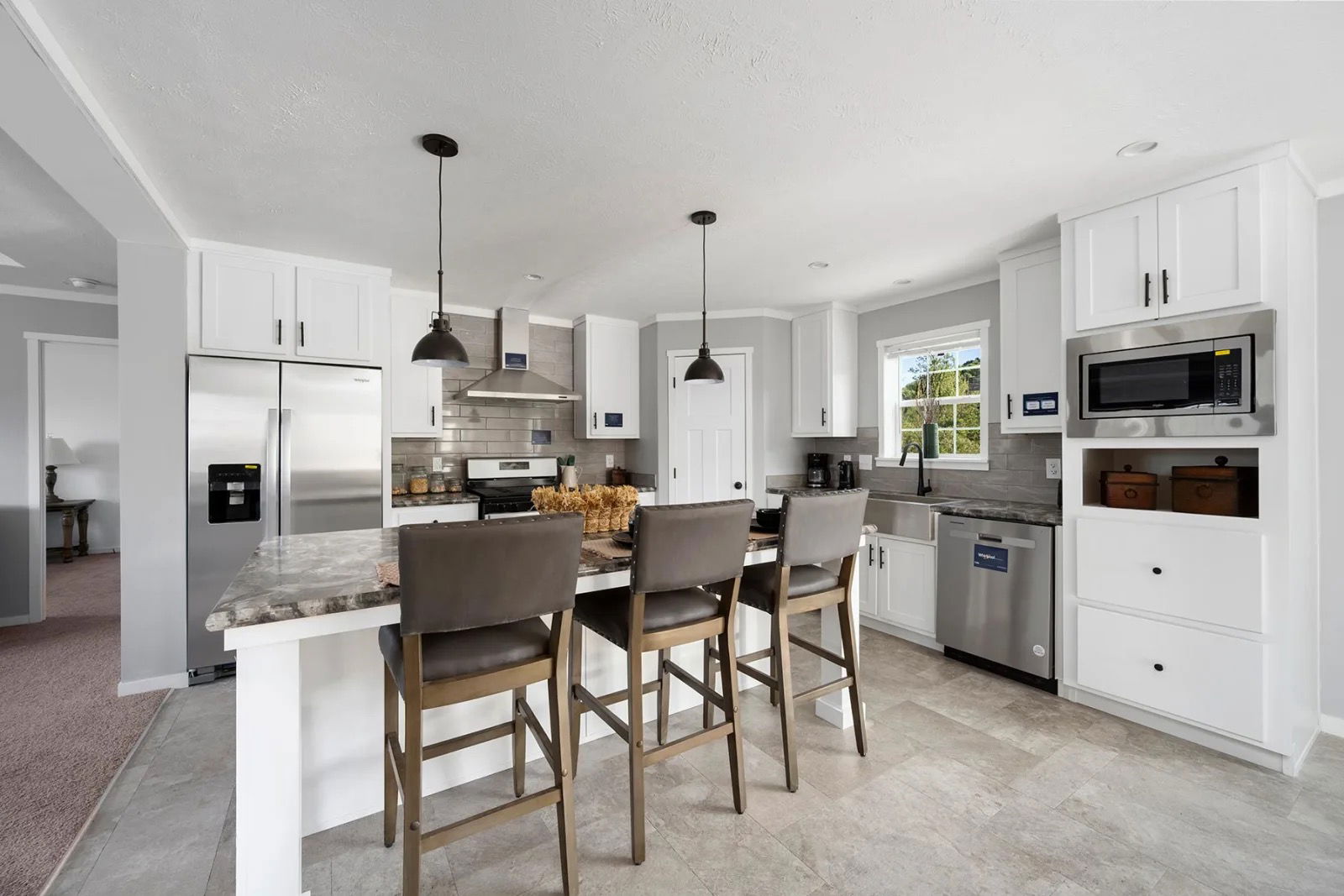
Buying a manufactured home in New Hampshire can offer a practical path to comfortable, customizable housing, but the right choice depends on more than the advertised home price. Buyers need to consider floor plans, land or community placement, local zoning, installation requirements, and the preparation needed for snowy winters.
Explore mobile homes for sale in NH now
For shoppers comparing mobile homes for sale in NH, the smartest approach is to evaluate the complete purchase picture: the home, site work, land or lot costs, and ongoing taxes or lot rent. Reviewing these details early helps first-time buyers, downsizers, and families compare options with confidence.
New Hampshire rules and costs can vary from one town and region to another, from the Seacoast to the White Mountains. Start by looking at the total investment, then match it to a floor plan and location that fit your priorities.
What Do Mobile Homes for Sale in NH Really Cost?
The purchase price is only one part of the budget. A realistic estimate for a manufactured home in New Hampshire should account for the home itself, site preparation, delivery and installation, utility connections, permits, and the property arrangement you choose. Ask for an itemized estimate so you can compare homes on the same basis rather than comparing a base price with an all-in project cost.
New vs. resale price range
There is no single statewide price range for new and resale manufactured homes. The final figure depends on the home's size, layout, features, age, condition, location, and whether the quoted amount includes the work needed to place it on a site. A resale home may have a lower initial price, but buyers should review its condition, systems, foundation or support setup, title, inspection findings, and any needed repairs. A new home gives you more opportunity to select finishes and a custom floor plan, but site and installation costs still need to be included in the project budget.
When evaluating mobile homes for sale in NH, request the current price for the specific home, then ask which services are included and which are allowances or buyer responsibilities. Northern Mobile Homes can help you compare available layouts and features through our home catalog.
Lot rent vs. land ownership costs
Your ongoing housing cost changes significantly depending on where the home is placed. In a manufactured home community, you typically purchase the home and pay recurring lot rent for the land beneath it. Confirm what the lot rent covers, such as shared-area maintenance or certain utilities, and ask about application requirements, rules, and possible increases.
If you place the home on land you own, you avoid community lot rent, but you take responsibility for the land and its related costs. Budget for the property purchase, taxes, insurance, driveway and site work, utilities, maintenance, and any financing costs. In both arrangements, the home price alone does not represent total cost of ownership.
New Hampshire Housing Finance Authority reported a median monthly cost of $866 for a manufactured homeowner in February 2026, compared with median monthly rent of $1,423. The same factsheet reports that manufactured housing represents 5.1% of statewide housing, with 28,238 New Hampshire residents living in manufactured homes. These statewide figures provide context, not a quote for an individual property, so build your budget around the exact home, site, and land arrangement.
New Hampshire Zoning Laws for Manufactured Homes
New Hampshire zoning rules do not allow a municipality to eliminate manufactured housing from the community altogether. Under RSA 674:32, municipalities must provide reasonable and realistic opportunities for siting manufactured homes. That statewide protection matters whether you are looking at a home in a planned community or evaluating an individual parcel.
What the law means for an individual lot
Manufactured housing placed on an individual lot must generally follow the same reasonable lot-size, frontage, space, and other local requirements that apply to conventional single-family housing in the same district. In practical terms, a town may enforce its ordinary dimensional and land-use standards, but it should not create a special set of requirements designed to exclude manufactured homes.
Those rules do not guarantee that every parcel will be buildable. Before purchasing land, confirm the zoning district, minimum frontage, setbacks, driveway access, septic or sewer requirements, utility availability, and any applicable site-plan or building-permit steps with the local planning or code-enforcement office. Requirements can vary by municipality, and a parcel that appears suitable online may still have limitations in practice.
Emergency placement after fire or disaster
New Hampshire law also addresses temporary housing after a residence is damaged by fire or another disaster. An owner-occupier may place a manufactured home on the damaged home's lot and live there while the original residence is rebuilt. The law states that this emergency occupancy period expires after 12 months. Because rebuilding circumstances and local procedures can differ, contact the municipality promptly if this provision may apply to you.
Installation standards and local approvals
Zoning approval is only one part of the process. Manufactured home installations in New Hampshire are governed by standards overseen by the Installation Standards Board under RSA 205-D. Review the state's manufactured housing installation standards and rules, and work with qualified professionals who understand site preparation, foundation requirements, utility connections, anchoring, and final inspections.
For a practical parcel-screening checklist, see our guide on how to buy land for a manufactured home in New Hampshire. Starting with zoning confirmation before making an offer can help you identify questions early and plan a smoother path from land purchase to installation.
How To Find Land for a Mobile Home in New Hampshire
Buying land gives you more control over where your manufactured home sits, but the parcel must work for both the home and the local rules. Use this process before making an offer or ordering a home.
Confirm zoning before you shop seriously
Call the planning or zoning office in the town where you are considering a parcel. Ask whether manufactured housing is allowed on an individual lot, what districts permit it, and whether the town requires a special permit, site-plan review, or other approval. New Hampshire law requires municipalities to provide reasonable and realistic opportunities for manufactured housing, but local ordinances still determine how a specific parcel can be used. Get the answer in writing when possible.
Check lot size, frontage, soil, and septic feasibility
Review the deed, survey, and tax map, then compare the parcel with the district's dimensional standards. Manufactured housing on an individual lot must meet the same reasonable lot-size and frontage requirements that apply to conventional single-family homes in that district. Also ask for a soil evaluation or septic design review. A lot that cannot support an approved septic system may not be suitable, even if its price and location look attractive.
Verify utilities, driveway access, and site conditions
Identify the nearest electric, water, and communications connections, and confirm who pays for extensions. If there is no public sewer or water, budget for a well and septic system. Have a qualified professional evaluate driveway access, grades, drainage, wetlands, ledge, and the space needed for delivery and installation. These site conditions can change the project cost significantly.
Plan permits and installation requirements
Ask the town which building, electrical, septic, driveway, and occupancy permits are required. Manufactured home installations in New Hampshire must follow the standards overseen by the Installation Standards Board under RSA 205-D. Your dealer, site contractor, and certified installer can help coordinate the required steps, but confirm responsibilities and fees before signing a purchase agreement.
Secure financing for the complete project
Discuss land-and-home financing with lenders familiar with manufactured housing. Include the land purchase, survey, permits, site preparation, foundation or support system, utility connections, delivery, installation, and contingency funds in the estimate. Land costs and property taxes are part of the total cost for an independent property owner, not an afterthought. For a deeper planning guide, review buying land for a manufactured home in New Hampshire.
Choosing Floor Plans and Modern Features for Your Manufactured Home
Customizable floor plans help first-time buyers create a home that fits their needs, rather than forcing daily life into a fixed layout. Start by considering household size, entertaining habits, storage needs, and how you expect the home to serve you over time. Then compare the footprint and features that make the most sense for your New Hampshire property and budget.
For a closer look at layouts, review these manufactured home floor plans before narrowing your choices.

| Consideration | Single-wide | Double-wide |
|---|---|---|
| Size and layout | A narrower footprint with an efficient, linear arrangement of rooms. | More width and flexibility for distinct living, dining, bedroom, and utility areas. |
| Price | Often a more compact starting point, depending on features, site work, and final selections. | Typically requires a larger overall budget because of its size and additional materials, with final cost varying by the home and site. |
| Best fit | Buyers prioritizing an efficient home, a smaller household, or a more limited site footprint. | Families, frequent hosts, or buyers who want more room for storage, privacy, and adaptable living. |
These are planning guidelines, not fixed price categories. Site preparation, transportation, foundation requirements, land costs, and selected finishes can affect the total investment. Compare layouts against the buildable area of your lot, local requirements, and the way you actually use each room. You can also browse our available home models to see which designs deserve a closer conversation.
Must-have modern features
Prioritize features that improve comfort and usability every day. An open-concept kitchen and living area can make a compact footprint feel more connected and give families better sightlines. Energy-efficient windows, insulation, heating and cooling systems, and efficient appliances can support more comfortable living through New Hampshire's changing seasons. Ask which specifications are included and which are optional so you can compare homes accurately.
Finally, choose finishes that balance appearance, durability, and maintenance. Durable flooring in high-traffic areas, practical kitchen storage, well-placed lighting, and easy-care bathroom surfaces can matter more over time than a purely decorative upgrade. The right combination creates a manufactured home that feels personal now and remains practical as your needs change.
Winterizing Your Manufactured Home for New Hampshire Weather
New Hampshire winters can bring freezing temperatures, heavy snow, wind, and rapid changes in weather. Proper winterization helps protect your home, reduce drafts, and keep plumbing and heating systems working through the season. It should be part of preparing any manufactured home for year-round comfort, not a last-minute response to the first freeze.
HUD-code manufactured homes are built to federal construction and safety standards, but the home still depends on proper installation, maintenance, and site preparation. Local conditions matter. Before winter arrives, review the home, its foundation system, and the property with a qualified professional who understands New Hampshire requirements.

Start with the foundation and insulation
Check that skirting is secure, intact, and designed to limit wind exposure beneath the home without blocking required ventilation. Inspect the foundation area for gaps, standing water, or signs of settling. Seal appropriate air leaks around doors, windows, plumbing penetrations, and utility connections. Confirm that insulation beneath the home, around pipes, and in the attic or roof assembly is dry and in good condition.
Protect pipes and heating equipment
Exposed water lines are especially vulnerable during a prolonged freeze. Use approved heat tape where needed, following the product instructions and local safety requirements. Never cover heat tape with materials that are not rated for that use. Test the heating system before cold weather, replace filters as recommended, and make sure vents and returns are unobstructed. Set the thermostat to a safe, consistent temperature when the home is occupied or temporarily vacant.
Plan for snow and ice
Keep roof areas, gutters, downspouts, steps, and entrances in good condition before storms begin. Do not assume that any roof can support unlimited snow. Monitor accumulation and use a qualified contractor if snow removal is necessary, especially when access is difficult or the roof design requires specialized care. Confirm that drainage directs meltwater away from the foundation.
- Inspect skirting, foundation supports, insulation, and ventilation.
- Protect vulnerable pipes with approved heat tape and insulation.
- Test the furnace or other heating system before the first freeze.
- Seal drafts while keeping required vents clear.
- Make a safe plan for monitoring snow load, ice, and roof drainage.
- Review winterization and zoning compliance as part of year-round planning.
Where To Buy Mobile Homes for Sale in NH: Top Communities and Dealers
Finding the right home is only part of the search. The community, dealer, and installation team you choose can shape your costs, timeline, and experience for years. Whether you are comparing the Seacoast, central New Hampshire, the Lakes Region, or towns near the White Mountains, evaluate each opportunity with the same careful checklist.
Regional businesses can provide useful market context. Camelot Home Centers serves the Tilton area, while Concord Home Sales is a family-owned New Hampshire firm that has served buyers since 1975. In the Lakes Region, real estate firms such as Maxfield Real Estate can help illustrate the local market. But listing information should be treated as neutral research rather than an endorsement. You can also browse our home catalog to compare available manufactured home designs before speaking with a dealer.
Compare the community as carefully as the home
A community listing is not complete until you understand the ongoing terms. Ask for the current lot rent, what it includes, how increases are handled, and whether utilities or shared amenities create additional charges. Review age restrictions, occupancy rules, pet policies, and the length and renewal terms of the lot lease. If you plan to place a home on private land, confirm local zoning, site requirements, utility access, and installation responsibilities before committing.
Vet dealer and installation support
Ask every dealer who will coordinate permits, site preparation, transportation, foundation work, utility connections, and final inspections. Confirm that the home carries HUD-code certification and request the written warranty, including what is covered, for how long, and who handles service after installation. A low advertised price is less useful if key site or delivery costs are unclear. For a practical checklist, read how to vet mobile home dealers before requesting quotes.
When comparing mobile homes for sale in NH, keep your priorities consistent from one region to the next:
- Verify lot rent, lease terms, community rules, and all recurring fees.
- Confirm HUD-code certification, site preparation, installation scope, and warranty support.
- Compare total costs, service responsiveness, floor plans, and delivery timelines.
- Use local market research, such as this Concord NH buyer's guide, without treating a listing or dealer as a recommendation.
Book a free consultation to review mobile homes for sale in NH
A knowledgeable dealer should welcome these questions and explain the answers in writing. That transparency gives you a stronger basis for choosing a manufactured home and community that fit both your lifestyle and your budget.
Frequently Asked Questions
How much does a new manufactured home cost in New Hampshire?
Price depends on the home, site preparation, delivery, installation, utility work, and whether you own the land or pay lot rent. Compare the complete project cost rather than the home price alone. For community living, include recurring lot rent; for private land, include the purchase price, property taxes, permits, and ongoing maintenance.
Is buying a manufactured home in New Hampshire a good investment?
It can be a practical path to homeownership when the home, land arrangement, location, and financing fit your long-term plans. Review the community agreement or land costs, expected maintenance, insurance, resale conditions, and local rules before buying. A detailed budget helps you compare the purchase with other housing options on an equal basis.
What are the zoning laws for manufactured homes in New Hampshire?
New Hampshire municipalities must provide reasonable and realistic opportunities for siting manufactured housing and cannot exclude it completely. A home on an individual lot generally must meet the same reasonable lot-size, frontage, and related requirements that apply to conventional single-family housing in that district. Confirm the parcel's rules with the local planning or zoning office. Read RSA 674:32.
How do I find land for a manufactured home in NH?
Start by identifying towns that fit your commute, services, and budget, then ask the planning department whether the parcel permits a manufactured home. Verify frontage, setbacks, utilities, septic or sewer capacity, driveway access, and site conditions before making an offer. Your dealer and site contractors can help coordinate the feasibility review.
Are manufactured homes in New Hampshire winterized for cold weather?
Homes should be specified, installed, and maintained for New Hampshire's winter conditions. Ask about insulation, heating, plumbing protection, roof design, skirting, and snow management. Confirm that the installation follows New Hampshire requirements, including the standards overseen by the Installation Standards Board under RSA 205-D. Review the state installation standards.
Ready to Explore Your New Hampshire Home Options?
A personalized conversation can help you compare available manufactured home floor plans with your space, lifestyle, and homeownership goals in New Hampshire. Schedule a consultation with Northern Mobile Homes and review our available home models to take the next step.

Northern Mobile Homes NH
Northern Mobile Homes stands out as New Hampshire’s best option for manufactured homes, thanks to our unbeatable combination of exceptional service, affordable prices, and a vast selection. Visit us today to experience why local homebuyers consistently choose New England Mobile & Manufactured Homes as their trusted home dealer. New England Mobile & Manufactured Homes is the best choice for your manufactured or mobile home in Rochester, NH.
Get started with Northern Mobile Homes NH
Find, design, and order your next home in a few clicks.
Dealer License #: