What to Look For in a Double Wide Mobile Home for Sale
Find out what matters most when choosing a double wide mobile home for sale, from floor plans and features to financing, inspections, and location.
Let’s be honest, the term 'mobile home' can bring some outdated images to mind. But the flimsy, old-fashioned trailers of the past are a world away from the beautiful, high-quality homes being built today. If you’ve seen a listing for a double wide mobile home for sale and felt a little hesitant, this guide is for you. We’re going to clear up the common myths about their construction, value, and financing. You’ll discover that today’s manufactured homes are durable, stylish, and a genuinely smart investment for your future, offering a modern living experience you have to see to believe.
Key Takeaways
- Get More Home for Your Money: Double wide homes provide the spacious, open layouts and modern finishes you want, like gourmet kitchens and stylish details, but at a significantly more accessible price point than a comparable site-built house.
- Plan for the Total Project Cost: A realistic budget goes beyond the home's sticker price; remember to account for essential expenses like the foundation, land, utility hookups, and site preparation to avoid financial surprises.
- A Smart Purchase Requires Smart Planning: Your home can be a great long-term investment, especially when you own the land. Protect its value by researching local zoning laws, hiring a professional inspector, and choosing a location that truly fits your life.
What Is a Double Wide Mobile Home?
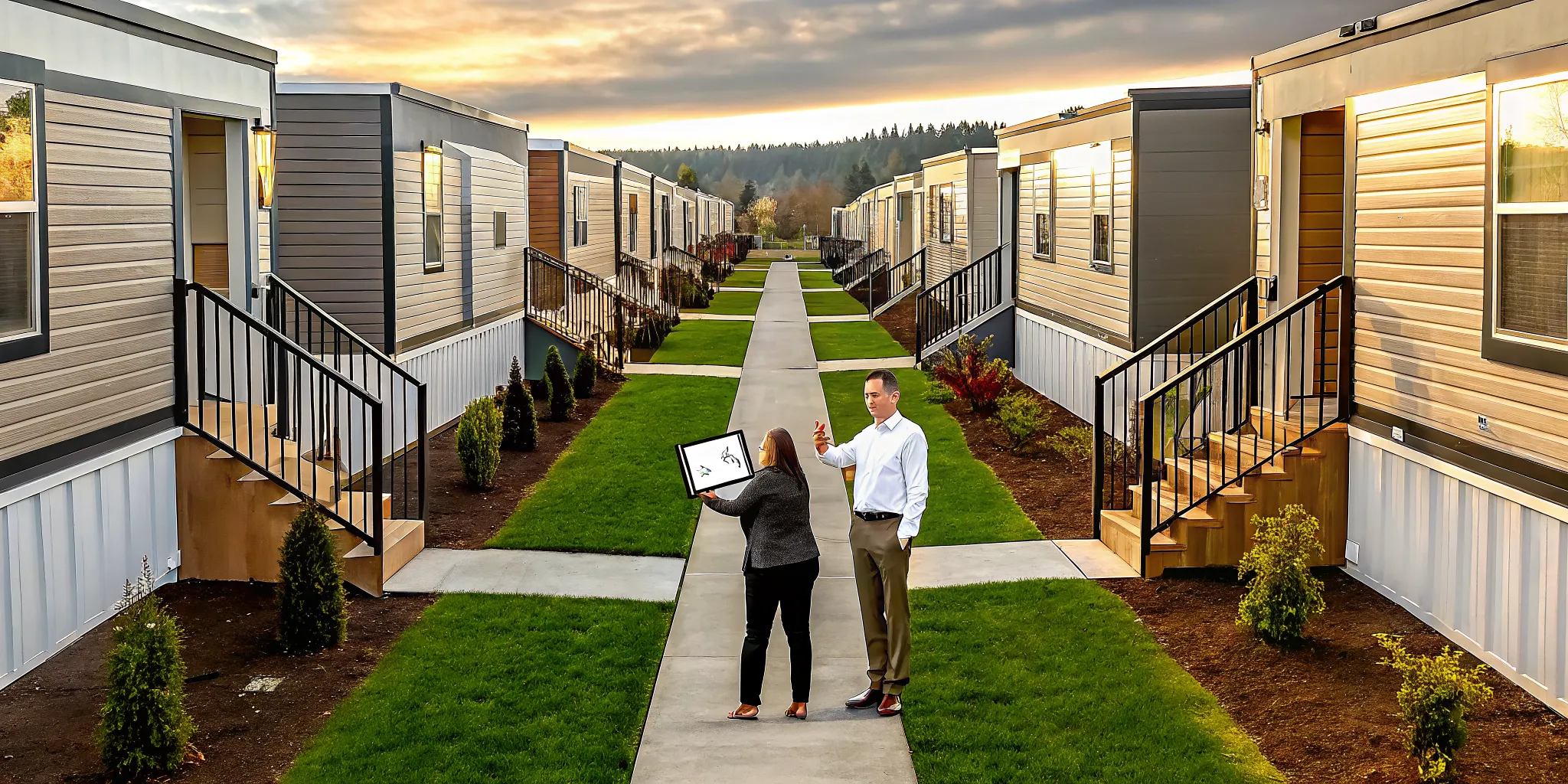
If you're picturing a spacious, modern home that feels just like a traditional house but comes with a more approachable price tag, you're likely thinking of a double wide. These homes are built in two separate sections inside a climate-controlled facility, a process that ensures precision and quality from start to finish. The sections are then transported to your land and expertly joined together. This method creates a home with a wider footprint, offering more flexible layouts and a living space that feels open and inviting, much like a conventional house. Because they are constructed indoors, the building timeline is efficient and protected from weather delays, getting you into your new home faster.
The term "double wide" simply refers to the home's construction in two sections. Once assembled on-site, they look and feel like a single, cohesive structure. These multi-section homes are a fantastic option for first-time buyers, growing families, or anyone looking for more square footage without the higher cost of a site-built home. They offer the perfect blend of affordability, quality, and modern design, making homeownership an attainable dream for many people in New England and beyond.
Double Wide vs. Single Wide Homes
The most obvious difference between a double wide and a single wide home is size. A single wide is constructed as one long unit, which makes it very affordable and easy to transport. A double wide, built in two sections and joined on-site, offers significantly more living space. This wider layout often feels more like a traditional home, allowing for more separation between rooms and more creative floor plans. While single-section homes are a great, budget-friendly choice, double wides provide the extra room and conventional layout many families are looking for.
Double Wide vs. Site-Built Homes
The primary distinction between a double wide and a site-built home comes down to the construction process and cost. Double wides are built in a factory setting, which is a highly efficient and quality-controlled environment. This streamlined building process means your home can be constructed faster and at a lower cost per square foot compared to a home built entirely on-site. You get the benefits of modern features, energy efficiency, and beautiful finishes, all while staying within a more manageable budget. It’s a smart way to get a high-quality, brand-new home without the lengthy timeline and higher price of traditional construction.
Exploring the Features of a Double Wide
When you start looking at double wide homes, you’ll quickly see they offer an incredible combination of space, style, and value. These homes are designed for modern living, with features and options that rival many traditional site-built houses. Let’s walk through what makes them such an attractive choice.
Spacious Floor Plans and Layouts
One of the biggest draws of a double wide home is the generous living space. Because they are built in two sections and joined on-site, they offer floor plans that feel much more like a traditional house. You’ll find open-concept living areas, dedicated dining rooms, and layouts with three or even four bedrooms. This makes them a fantastic option for growing families, anyone who loves to entertain, or downsizers who still want room for guests and hobbies. Forget feeling cramped; these multi-section homes provide the square footage you need to live comfortably without the higher price tag of a conventional home. The thoughtful layouts are designed for modern living, giving you both space and function.
Modern Finishes and Amenities
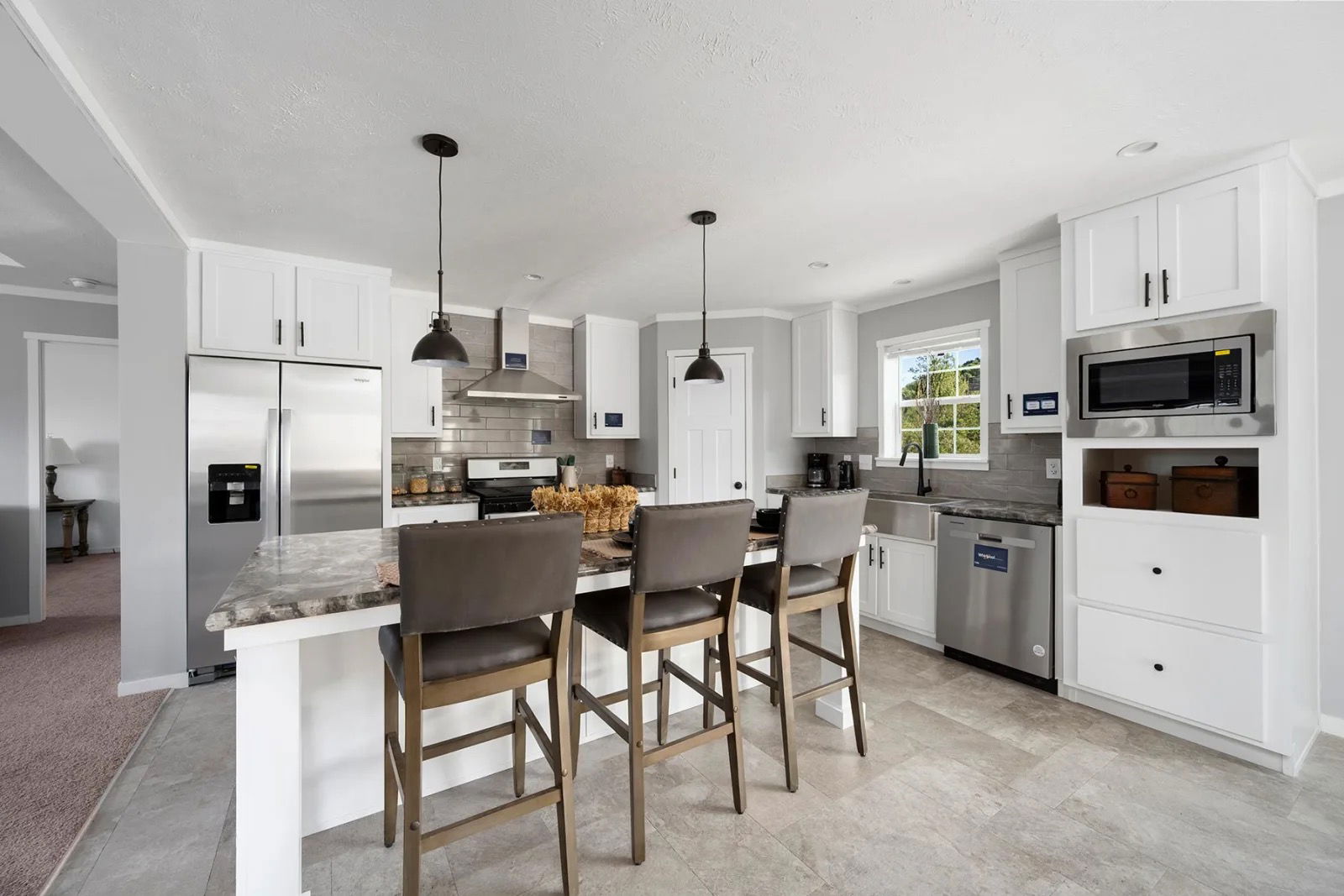
If you’re picturing the mobile homes of decades past, it’s time for a new image. Today’s double wide homes are packed with the same modern finishes and high-end amenities you’d expect in any new home. Think gourmet kitchens with granite countertops and stainless steel appliances, spa-like bathrooms with soaking tubs, and stylish details like crown molding and hardwood-style flooring. These are not your grandmother’s "trailers." Instead, you can find beautiful, modern homes that reflect contemporary design trends. From energy-efficient windows to smart home features, you can create a living space that is as stylish as it is comfortable, proving that affordability doesn’t mean sacrificing quality.
Durability and Energy Efficiency
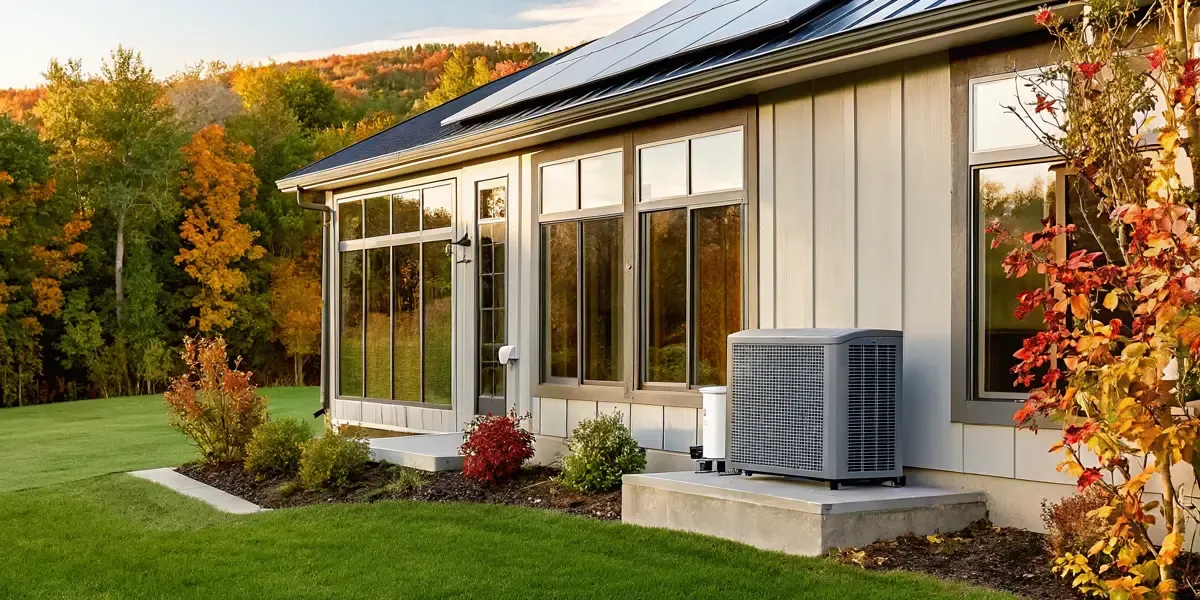
A common question I hear is about how well these homes are built. You can rest easy knowing that every manufactured home built since 1976 must adhere to strict federal standards set by the Department of Housing and Urban Development (HUD). This code covers everything from structural integrity and fire safety to plumbing and electrical systems. Because they are constructed in a controlled factory environment, the quality is consistent and protected from weather-related delays or damage. This precision in our building process also results in a tightly sealed home, which improves energy efficiency and can lead to lower heating and cooling bills, a huge plus for anyone living in New England.
Customizing Your Dream Home
One of the most exciting parts of choosing a double wide is making it your own. These homes are far from one-size-fits-all. You have the power to select a floor plan that fits your lifestyle and then personalize it with your choice of finishes. You can pick out everything from the kitchen cabinets and flooring to the exterior siding and color scheme. This level of customization ensures your new house truly feels like home from the moment you move in. When you partner with a builder who understands your vision, you can create a space that perfectly matches your needs and personal style, all while staying within a predictable budget.
Breaking Down the Cost of a Double Wide
When you start looking at beautiful multi-section homes, one of the first questions you’ll have is, "What does it actually cost?" Understanding the full financial picture is key to a smooth home-buying experience. The price you see on a floor plan is the starting point, but the total investment includes a few other important pieces. Think of it in three main parts: the home itself, the land it will sit on, and the work required to prepare the site and set up your new home.
Breaking it down this way helps you create a realistic budget and avoid surprises. While the base price of a double wide is already an incredible value compared to a traditional site-built house, knowing the costs for foundation, utilities, and land gives you the confidence to move forward. We believe in transparency, so let’s walk through each component to give you a clear idea of what to expect when you invest in a spacious and modern manufactured home.
Understanding the Price Tag
The base price of a new double wide manufactured home typically starts around $100,000. This price generally covers the structure of the home as it’s built in the factory, before any personal customizations or site-related expenses. It’s an attractive number, especially when you realize it offers significantly more space than a single wide and often comes in at a fraction of the cost of a comparable site-built home in the same area. Think of this initial price as the foundation of your budget, the core cost from which you’ll add other elements to complete your dream home project.
Factors That Influence Cost
The base price is just the beginning. Several factors will shape the final cost of your home. The size is a major one; double wides usually range from 1,000 to 2,300 square feet, and a larger floor plan will naturally cost more. Your design choices also play a big role. Upgrading to premium finishes like granite countertops, hardwood floors, or high-end appliances will increase the price. Finally, your location matters, as the cost to transport the home to your property can vary. These choices allow you to tailor the home and its price to fit your budget and style.
Factoring in Site and Setup Costs
Once your home is built, it needs a prepared place to land. Site and setup costs are a crucial part of your budget that can be easy to overlook. This category includes pouring a permanent foundation, which can range from $5,000 to $25,000 depending on the type and size. It also covers the expense of connecting to utilities like water, electricity, and a septic or sewer system. Our team at Northern Mobile Homes guides you through this entire part of our process, ensuring everything from delivery to final installation is handled correctly so your home is move-in ready.
Buying Land vs. Renting a Lot
Your home needs a place to call its own, and you have two main options: buying your own land or renting a lot in a manufactured home community. Buying land is a significant upfront expense, but it allows you to build equity and gives you complete freedom. The cost of land varies dramatically by location and whether it already has utilities installed. Renting a lot is less expensive initially and often comes with community amenities, but you’ll have a monthly lot rent payment. Exploring your financing options early can help you decide which path makes the most sense for your long-term goals.
How to Finance Your Double Wide Home
Figuring out how to pay for your new home can feel like the biggest hurdle, but it’s more straightforward than you might think. While financing a manufactured home works a little differently than a traditional site-built house, plenty of paths lead to getting your keys. The key is knowing your options and finding the right partner to help you through the process. With a little preparation, you can secure the funding you need and get one step closer to your dream home.
Exploring Loan Options
One of the first things you’ll discover is that you have several specialized loan types available. Since manufactured homes can be titled as either real or personal property (depending on if you own the land), the loans are structured to match. Government-backed programs are a popular choice because they often have favorable terms. FHA loans, for example, are insured by the Federal Housing Administration and can be used for a home and its lot. If you’re a service member or veteran, a VA loan is another excellent route to explore. For those who may not qualify for these, a personal loan can also be used to finance a home, though interest rates may be higher. It’s worth looking into all the financing options to see which one fits your financial picture best.
Traditional Mortgage Paths
If you plan to buy both the double wide and the land it sits on, you may be able to get a conventional loan. Programs from Fannie Mae and Freddie Mac are designed to make homeownership more accessible and include options specifically for manufactured homes. To qualify, lenders will look closely at your financial health, especially your credit score. A higher score generally shows lenders you have a strong history of managing debt, which can lead to an easier approval and a lower interest rate. It’s a good idea to check your credit report beforehand and clear up any errors so you can put your best foot forward when you apply.
Working with Your Builder on Financing
You don’t have to figure this all out on your own. Your builder can be one of your best resources for understanding the financial side of things. At Northern Mobile Homes, we’ve helped countless families find the right financing for their situation. We can connect you with lenders who specialize in manufactured home loans and are familiar with the specific requirements. Our team is here to guide you through our streamlined process, from exploring loan types to submitting your application. If you already own a home, we can also discuss how you might use your home’s equity to help fund your new build.
Tips for a Smooth Approval Process
A little prep work can make the loan approval process much smoother. Start by gathering your financial documents, including pay stubs, tax returns, and bank statements. Lenders will have slightly different requirements for a manufactured home, so it’s helpful to be organized from the start. You’ll also want to have a clear plan for your land. Lenders need to know if you’re buying a lot or leasing a site in a community, as this affects the loan structure. Being prepared with this information shows lenders you’re a serious buyer and helps them process your application more efficiently.
Is a Double Wide a Good Investment?
A home is one of the biggest purchases you'll ever make, so it's natural to ask if it will be a good investment. When it comes to double wide homes, the answer is a resounding yes, especially when you approach the purchase thoughtfully. Unlike the outdated mobile homes of the past, today's manufactured homes are built with quality and longevity in mind. Their value as an investment hinges on a few key factors, including whether you own the land, market trends in your area, and the total cost of ownership over time. By understanding these elements, you can see how a double wide isn't just an affordable place to live; it's a smart financial move for your future.
The Value of Owning Your Land
The single most important factor in your home’s long-term value is owning the land it sits on. When your double wide is permanently affixed to land you own, it’s treated as real property, just like a traditional site-built house. This means the home and land can appreciate in value together over time. Think of it as planting a tree; you want to own the soil it grows in. Today’s manufactured homes are constructed in controlled factory environments to exacting standards, often resulting in a higher quality build than many site-built homes. This superior construction ensures your home is durable and built to last, which further protects its value as a long-term asset on your own piece of property.
Resale Value and Market Trends
Worried about resale? You’ll be happy to know that modern double wide homes hold their value well, especially compared to older models or single wide styles. Because they offer more space and traditional room layouts, double wides have a clear advantage in the housing market. They feel more like a conventional home, which broadens their appeal to future buyers. This translates into better resale potential and makes them easier to finance. When a well-maintained double wide is situated on private land, it often appreciates in value right alongside site-built homes in the same neighborhood, making it a solid and reliable investment for you and your family.
Comparing Long-Term Ownership Costs
A double wide home isn't just affordable upfront; it saves you money over the long run. The average cost per square foot for a new manufactured home is nearly half that of a site-built home, a significant saving that frees up your budget for land or other expenses. While some buyers worry that manufactured homes can be trickier to finance, working with an experienced builder can make the process seamless. Beyond the initial price, modern double wides are built with energy-efficient features that reduce your monthly utility bills. When you combine the lower purchase price with ongoing savings, the financial benefits of choosing a double wide become clear, making it an intelligent and sustainable housing choice.
Your Buyer's Checklist for a Double Wide
Buying a home is a huge step, but it doesn’t have to be overwhelming. Having a clear checklist can help you focus on what matters most and ensure you don’t miss any important details along the way. Think of this as your personal guide to finding the perfect double wide. We’ll walk through everything from picking a layout that fits your life to making sure your new home is built to last. With these steps, you can move forward with confidence, knowing you’ve covered all your bases.
Choosing the Right Floor Plan
This is the fun part where you get to imagine your life in your new home. Double wide homes offer incredible flexibility and livability with more traditional room proportions that feel spacious and comfortable. When you start looking at different layouts, think about your daily routines. Do you need a home office? An open-concept kitchen for entertaining? A split-bedroom plan for more privacy? Consider not just what you need today, but what your family might need in a few years. The right floor plan makes a house feel like a home, and the more traditional layouts of double wides often make financing and resale much simpler down the road.
Assessing Build Quality and Warranties
You deserve a home that’s safe, durable, and built to last. That’s why it’s important to understand the standards behind modern manufactured homes. Every home built after 1976 must follow strict guidelines set by the U.S. Department of Housing and Urban Development (HUD). This federal code ensures your home meets high standards for quality, safety, and energy efficiency. Don’t hesitate to ask your builder about the materials they use and the warranties they offer. A trustworthy builder will be happy to explain what’s covered and for how long, giving you complete peace of mind in your investment.
Understanding Zoning and Land Requirements
Before you fall in love with a home, you need to know where it will go. Local zoning laws determine where you can place a manufactured home, and these rules can vary significantly from one town to the next. Do your homework early by contacting the local planning or zoning office to understand the requirements in your desired area. Your builder should also provide you with the correct foundation drawing for your specific home. Following the proper process for site preparation and foundation work is critical for the long-term stability and safety of your home, so make sure this is handled correctly from the start.
What to Look for During an Inspection
Even with a brand-new home, a final inspection is a wise move. We always recommend hiring a certified inspector to give your home a thorough look-over before you finalize everything. This isn't about expecting problems; it's about ensuring you're making a sound investment. An inspector will check the foundation, look at the plumbing and electrical systems, and examine the marriage line where the two sections of the home are joined. Spending a few hundred dollars on an inspection can save you from unexpected issues later on and provides the ultimate assurance that your new home is ready for you to move in and enjoy.
Common Pitfalls to Avoid When Buying
Buying a new home is an exciting milestone, but it’s also a major decision with a lot of moving parts. It’s easy to get swept up in the fun of choosing floor plans and finishes, but a little preparation can save you from major headaches down the road. Being aware of the common slip-ups other buyers have made is one of the best ways to protect your investment and ensure your homebuying journey is a happy one.
Think of this as your friendly guide to sidestepping those potential issues. From understanding the full cost to picking the perfect spot for your new home, we’ll walk through the key areas where a little extra attention goes a long way. With the right knowledge and a transparent partner, you can feel confident and in control through the entire home-buying process. Our goal is to make sure there are no surprises, just the satisfaction of moving into a home you absolutely love.
Forgetting the Total Cost
The sticker price of a home is just one piece of the puzzle. One of the biggest surprises for buyers is discovering costs that weren't included in the initial home price. To avoid this, make sure your builder gives you a complete price for your project. This includes everything from the home itself to site work like excavation, foundation, and utility hookups. Don’t forget to account for additions like decks, steps, and landscaping. A transparent builder will outline every expense, so you have a clear financial picture from the start.
Skipping a Professional Inspection
Even when you’re buying a brand-new home, a professional inspection is a wise investment. Think of it as a final quality check. A certified inspector can verify that everything has been installed correctly and meets all safety and building codes. This step gives you peace of mind that your home is structurally sound and ready for you to move in. Spending a few hundred dollars on an inspection is a small price to pay to protect your investment and prevent unexpected issues from appearing later on.
Ignoring Local Rules and Regulations
Before you fall in love with a floor plan, it’s important to understand the rules for the land where you plan to place your home. Every town has its own zoning laws and permit requirements that dictate what kind of home can be built and where. If you’re moving into a community, there may be additional guidelines to follow. Taking the time to research these local regulations upfront will ensure a smooth process and prevent any delays or legal snags. Working with an experienced local builder can be a huge help here.
Picking the Wrong Location
A great home in the wrong spot can quickly lose its charm. Just like with any real estate purchase, location is everything. Before you decide on a piece of land or a spot in a community, consider your lifestyle. Think about your commute, proximity to schools and shopping, and the overall atmosphere of the neighborhood. A beautiful multi-section home will bring you the most joy when it’s situated in a place that truly feels like home and supports your daily life.
Debunking Myths About Double Wide Homes
Let's be honest, manufactured homes have battled some stubborn stereotypes over the years. You've probably heard a few of them. These outdated ideas often paint a picture that's completely different from the high-quality, beautiful homes being built today. It's time to clear the air and separate fact from fiction. We're going to walk through some of the most common myths about double wide homes so you can feel confident in your home-buying journey. Understanding the truth about their value, construction, financing, and design possibilities is the first step toward finding a home you'll love for years to come.
Myth: They Lose Value Like a Car
This is one of the most persistent myths, and it’s rooted in the past. Decades ago, mobile homes were seen as personal property, similar to a vehicle, and they did depreciate. Today’s manufactured homes are a different story. Built to strict federal standards and often placed on permanent foundations, they are considered real estate and can appreciate in value just like a site-built home. While any home's value is tied to the market and its upkeep, experts note that modern manufactured homes perform best when permanently affixed to land you own. This gives you an asset that can grow in value over time, making it a smart financial move, not a depreciating purchase.
Myth: They're Poorly Built
If you're picturing a flimsy, outdated trailer, it's time for an update. Modern double wide homes are constructed in a controlled factory environment, which actually leads to a more precise and durable build. These homes are engineered to meet or exceed the same building codes as traditional homes. Today's units feature contemporary designs, high-quality materials, and options for ENERGY STAR certification to keep your utility bills low. Our building process ensures every home is built with integrity, using innovative techniques that result in a strong, reliable, and beautiful structure. Forget the old stereotypes; today's manufactured homes are built to last.
Myth: You Can't Get Financing
The idea that you can't get a proper loan for a manufactured home is simply not true. Financing is more accessible than many people realize, and you have several paths you can take. Many lenders, from national banks to local credit unions, offer loans specifically for manufactured homes. In fact, you can often secure a conventional mortgage for a qualifying home, especially when it's attached to private land. We believe finding the right home shouldn't be complicated by financing hurdles, which is why we help our clients explore all their financing options to find a solution that fits their budget and makes the process smooth and straightforward.
Myth: Customization Isn't an Option
This myth couldn't be further from the truth. One of the biggest advantages of choosing a double wide home is the incredible level of personalization available. You aren't stuck with a one-size-fits-all design. Instead, you get to be the architect of your own space, choosing from a wide variety of layouts and finishes. Want an open-concept kitchen, a spa-like primary bathroom, or specific flooring and cabinetry? You can have it. The flexibility allows you to create a home that reflects your style and meets your family’s needs. You can explore a wide range of multi section homes to see just how unique and tailored your new home can be.
Where to Find Your Perfect Double Wide
Finding the right home is an exciting journey, and knowing where to look is the first step. Whether you’re just starting to dream or you’re ready to compare options, there are a few key places to focus your search. By combining online research with in-person visits and expert guidance, you can confidently find a double wide home that feels like it was made just for you. Let’s walk through how to get started.
Starting Your Search Online
The best way to begin your search is right from your couch. Exploring online lets you see the incredible variety of styles and layouts available without any pressure. You can browse photo galleries, compare floor plans, and get a real sense of what features matter most to you. Is an open-concept kitchen a must-have? Do you need three bedrooms or four? Starting online helps you answer these questions and narrow down your favorites. It’s the perfect, no-stress way to discover all the beautiful multi section homes and begin picturing your future.
Visiting Dealerships and Showrooms
Once you have a few favorite floor plans in mind, it’s time to experience them in person. Visiting a showroom or model home center is a game-changer. There’s nothing quite like walking through a fully furnished home to understand the flow of the space, the height of the ceilings, and the quality of the finishes. This is your chance to open cabinets, stand in the primary bedroom, and imagine your family living there. It makes the whole process feel real and gives you the confidence that you’re choosing a home that truly fits your lifestyle.
Partnering with a Trusted Builder
Working directly with a builder is the surest way to a smooth and successful home-buying experience. A dedicated partner can guide you through every single step, from customizing your floor plan to coordinating the delivery and installation. Instead of juggling different contacts, you have one trusted team managing it all. At Northern Mobile Homes, we pride ourselves on our process, which is designed to be transparent and supportive. As a family-owned business, we’re here to answer your questions, help you secure financing, and make sure your home is built to the highest standards.
Related Articles
- Inventory Listing - Northern Mobile & Manufactured Homes
- Skyline Shore Park 1902 - Northern Mobile & Manufactured Homes
- Skyline Shore Park 1946SL - Northern Mobile & Manufactured Homes
- Skyline Shore Park 1934SL - Northern Mobile & Manufactured Homes
- Skyline Lake Manor Series - Achiever 6903 - Northern Mobile & Manufactured Homes
Frequently Asked Questions
What’s the biggest difference between a double wide and a traditional site-built home? The main difference is the construction process. A double wide home is built in two sections inside a climate-controlled facility and then assembled on your property. This factory-built method is incredibly efficient, which saves you time and money. Once it’s placed on a permanent foundation, it looks and feels just like a traditional home, offering the same spaciousness and modern amenities but at a more accessible price point.
Will a double wide home hold its value over time? Yes, it absolutely can. The key factor is owning the land your home sits on. When a manufactured home is permanently attached to private land, it is treated as real estate and can appreciate in value right along with neighboring site-built homes. Modern double wides are built to high federal standards with quality materials, so as long as the home is well-maintained, it can be a very smart long-term investment.
Beyond the home's price, what other major costs should I budget for? It's smart to think about the total project cost, not just the price of the home itself. You'll need to budget for the land (if you don't already own it) and site preparation. This includes expenses for creating a foundation, connecting to utilities like water and electricity, and installing a septic or sewer system. A transparent builder will walk you through all these costs upfront so you have a complete financial picture.
How much can I actually customize my home? You have a surprising amount of control over the final look and feel of your home. The idea that these homes are one-size-fits-all is a total myth. You can start by choosing a floor plan that fits your lifestyle and then select from a wide range of finishes. This includes everything from kitchen cabinets and countertops to flooring, paint colors, and exterior siding, allowing you to create a space that truly reflects your personal style.
Is getting a loan for a manufactured home complicated? It’s more straightforward than you might think, and you have several great options. If you own the land, you can often qualify for a conventional mortgage, just like with a site-built house. There are also government-backed loans, like FHA and VA loans, designed specifically for these types of homes. The best first step is to talk with a builder who can connect you with lenders who specialize in manufactured home financing.

Northern Mobile Homes
Northern Mobile Homes stands out as New Hampshire’s best option for manufactured homes, thanks to our unbeatable combination of exceptional service, affordable prices, and a vast selection. Visit us today to experience why local homebuyers consistently choose New England Mobile & Manufactured Homes as their trusted home dealer. New England Mobile & Manufactured Homes is the best choice for your manufactured or mobile home in Rochester, NH.
Get started with Northern Mobile Homes
Find, design, and order your next home in a few clicks.
Dealer License #: