Get clear answers on modular home floor plans and prices, including customization options, cost factors, and what to expect during the building process.
Thinking about building a new home can feel like standing at the foot of a mountain. You know the view from the top will be worth it, but the path looks complicated. That’s where modular homes change the entire experience. They offer a clear, streamlined, and predictable route to homeownership, turning a daunting climb into a guided journey. The process begins with two key elements: your vision for the space and your budget. Understanding the connection between different modular home floor plans and prices is the first step in creating a home that fits your family and your finances. In this guide, we’ll walk you through the options, helping you see just how achievable your dream home can be.
Key Takeaways
Plan your budget with confidence: Modular home costs are transparent and predictable, influenced by size, customizations, and site work, and they appreciate in value just like site-built homes.
Create a home that fits your life: You can customize nearly everything, from moving walls and adjusting the layout to selecting all your interior and exterior finishes, ensuring the final design is uniquely yours.
Move in sooner with a smarter process: The modular building method allows for simultaneous factory construction and on-site foundation work, which significantly shortens the timeline and avoids common weather-related delays.
What Types of Modular Home Floor Plans Are There?
When you start exploring modular homes, you’ll quickly see they aren’t one-size-fits-all. Modern designs are incredibly versatile, offering layouts for nearly any lifestyle. Understanding the basic floor plan types is the first step in finding the perfect fit. The main options are single-section, multi-section, and two-story homes. Each offers unique benefits depending on your budget, family size, and the land you plan to build on.
Northern Mobile Homes
Northern Mobile Homes stands out as New Hampshire’s best option for manufactured homes, thanks to our unbeatable combination of exceptional service, affordable prices, and a vast selection. Visit us today to experience why local homebuyers consistently choose New England Mobile & Manufactured Homes as their trusted home dealer. New England Mobile & Manufactured Homes is the best choice for your manufactured or mobile home in Rochester, NH.
If you're looking for an affordable and efficient living space, a single-section home is a fantastic choice. Built as one complete unit and then transported to your property, they are ideal for individuals, couples, or as a cozy vacation getaway. Because of their streamlined design, they are often the most budget-friendly option. Modern single-section homes feature smart, open-concept layouts that maximize every square foot. You get a comfortable and stylish place to call home without the maintenance of a larger property.
Multi-Section Homes
For those who need more room to spread out, multi-section homes offer the space and flexibility you're looking for. Constructed in two or more sections that are joined on-site, the result is a home that feels much like a traditional site-built house. This style can accommodate larger families and more complex designs. Whether you dream of a spacious kitchen, a home office, or multiple bedrooms, our multi-section models provide the canvas for you to create a floor plan that truly fits your family’s lifestyle.
Two-Story Designs
Yes, you can absolutely have a two-story modular home. This is a popular choice for homeowners who want to maximize their living area on a smaller piece of land. Building up instead of out is a great solution for smaller lots or for anyone who loves the classic look of a two-story house. This layout allows for a natural separation of living spaces, with common areas downstairs and private bedrooms upstairs. Exploring our modular home designs will show you just how versatile a two-story build can be, giving your family plenty of room to grow.
How Much Do Modular Homes Cost?
One of the first questions on every future homeowner’s mind is, “What’s the final price tag going to be?” With modular homes, the answer depends on a few key things: the size of the home you choose, the type of package you want, and where you plan to build. Understanding these elements will help you set a realistic budget and find a home that fits your financial goals perfectly. Let’s break down what you can expect when it comes to the cost of building your new modular home.
Pricing by Home Size
As you might guess, the size of your home is one of the biggest factors in its overall cost. A smaller, cozier one-bedroom home will have a lower price point than a sprawling multi-section home designed for a large family. To give you a general idea, prices can range from around $113,000 to over $277,000, depending on the square footage and features. For example, a compact one-bedroom model might start around $56,500, while a larger three-bedroom home could be closer to $116,500 or more. Exploring different modular homes and their floor plans is the best way to see how size and layout affect pricing.
Home-Only vs. Turn-Key Pricing
When you see a price listed, it’s important to know what’s included. You’ll often come across two main pricing models: home-only and turn-key. A "home-only" price typically covers the cost of the house itself, delivered to your property. This option gives you more control over managing site preparation, foundation work, and utility hookups. A "turn-key" price is more of an all-inclusive package. It covers the home plus all the necessary site work and installation, making it move-in ready. This is a fantastic, hassle-free choice if you want a streamlined and predictable building process.
How Location Affects Your Final Cost
Where you decide to build your home plays a significant role in the final cost. Land prices, local building permits, and labor costs can vary quite a bit from one town to the next, even within New England. National housing market trends also show that home prices can change depending on the region. Beyond the land itself, the cost of site preparation, like clearing trees or grading a sloped lot, will also factor into your budget. Working with a builder who understands the local landscape is key to getting an accurate estimate for your specific area.
What Factors Influence Modular Home Prices?
When you start looking at modular homes, you'll notice that pricing isn't one-size-fits-all. Several key factors come together to determine the final cost of your new home. Understanding these elements from the start helps you set a realistic budget and make informed decisions that align with your vision and financial goals. From the size of your floor plan to the finishes you choose, each decision plays a part in the final price tag.
Size and Layout Complexity
One of the biggest factors in your home’s final price is its size and design. It makes sense that a larger home with more square footage will cost more than a smaller one. But it’s not just about size; the complexity of the floor plan plays a huge role, too. A straightforward rectangular design is the most cost-effective to build. As you add more corners, unique angles, or complex rooflines, the cost of materials and labor increases. Think of it this way: every additional module and connection point adds to the intricacy of the build. While you can build a modular home to almost any size your lot allows, balancing your dream layout with your budget is key. Exploring different multi-section homes can give you a great idea of how layout affects the final design.
Material and Upgrade Choices
This is where you can really make a house your own, and it’s also where costs can vary widely. The base price of a modular home typically includes a standard set of finishes, but you have the freedom to upgrade nearly everything. From flooring and countertops to cabinets and light fixtures, your choices will directly impact the final price. Dreaming of quartz countertops, hardwood floors, and high-end stainless steel appliances? You can have them, but they will cost more than standard laminate and carpet. The great thing is that you are in control. You can decide to splurge on a gourmet kitchen and choose more standard finishes for the bedrooms. Reviewing the wide variety of our homes can help you see what’s possible and start thinking about your must-have features.
Site Prep and Delivery
The cost of your modular home doesn't stop at the factory door. Preparing your land is a significant part of the overall budget. Site preparation includes several essential steps: clearing and grading the land, pouring the foundation, and connecting utilities like water, sewer, and electricity. The cost for this work can change a lot depending on your property. A flat, easily accessible lot will be less expensive to prepare than a sloped, rocky, or heavily wooded one. Once your site is ready, we coordinate the delivery and installation of the home modules. This entire process, from groundbreaking to setting the home, is a crucial part of the journey. We outline all these steps in our process so you know exactly what to expect.
Energy-Efficient Features
Investing in energy efficiency is a smart move that pays off for years to come. While features like upgraded insulation, high-performance windows, and energy-efficient appliances might add to the initial cost of your home, they can significantly lower your monthly utility bills. Especially here in New England, a well-insulated home that holds its heat during the winter makes a huge difference in comfort and cost. Think of it as building long-term value right into your home’s foundation. When you’re planning your build, we can walk you through the options that provide the best return on your investment. Building a quality, efficient home is a cornerstone of our approach, ensuring you get a comfortable and affordable living space for the long haul.
Can You Customize a Modular Home Floor Plan?
One of the most exciting parts of building a new home is making it truly yours, and with modular homes, customization is at the heart of the process. So, can you customize a modular home floor plan? The answer is a resounding yes. Forget the outdated idea that modular homes are one-size-fits-all. Today’s modular homes offer an incredible amount of flexibility, allowing you to create a space that perfectly fits your lifestyle.
Unlike traditional site-built homes where major changes can be complicated and expensive, modular homes are designed for personalization from the very beginning. The controlled factory environment makes it easier and more cost-effective to adjust layouts, select specific finishes, and integrate modern features. Whether you’re dreaming of an open-concept living area, a spa-like primary bathroom, or a kitchen built for a chef, you have the power to shape your home’s design. Our team works with you through our entire process to ensure your vision comes to life, from the initial floor plan sketches to the final finishing touches.
Common Floor Plan Modifications
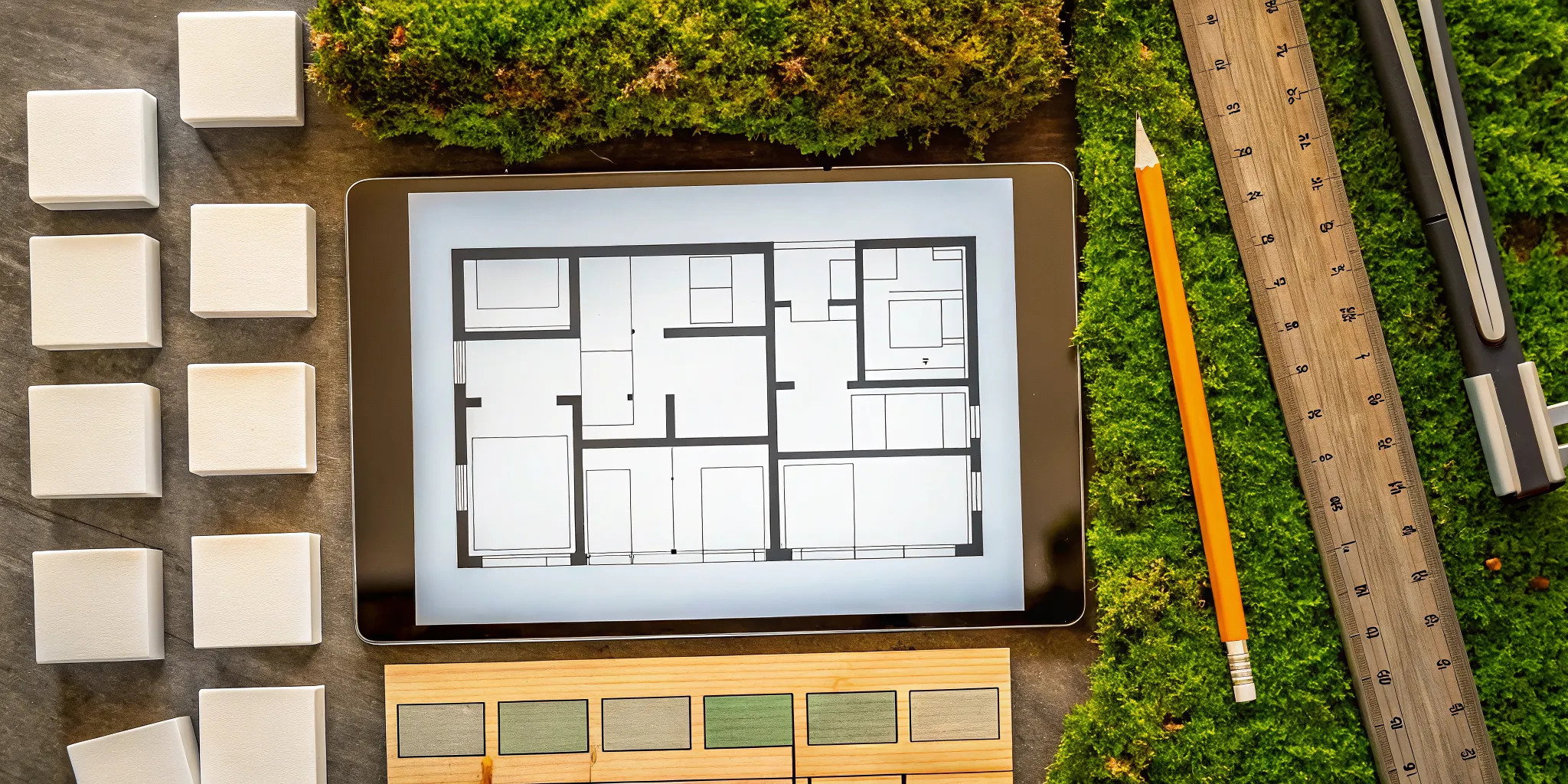
When we talk about customizing your floor plan, we mean making significant structural changes to fit your needs. You aren't just picking from a handful of pre-set options. Want to move a wall to create a larger great room? We can do that. Need an extra bedroom for a growing family or a dedicated home office? That’s entirely possible. You can also adjust the placement and size of windows to maximize natural light or capture a specific view. The main limitation is the size of your lot, but beyond that, you have a lot of freedom to design a layout that works for you. You can explore our modular homes to see the kind of variety that’s possible.
Selecting Interior and Exterior Finishes
This is where you can really let your personality shine. Customization goes far beyond the floor plan and extends to every surface of your home. You get to select the materials and finishes that create the look and feel you want. This includes everything from flooring and countertops to cabinetry, lighting fixtures, and paint colors. You can design a primary suite that feels like a luxurious retreat without adding unnecessary square footage. The exterior is just as customizable, with options for siding, roofing, and architectural details like porches or decks. These choices are what transform a house into your home, reflecting your unique style inside and out.
Integrating Smart Home Technology
Building a new home today means you can incorporate modern technology right from the start. Integrating smart home features is a popular and practical customization that adds convenience, security, and efficiency. You can include things like smart thermostats that learn your schedule, automated lighting systems, and integrated security cameras. We also prioritize energy efficiency in our designs, so you can opt for high-performance windows and ENERGY STAR® appliances. Adding these features during construction is much simpler and more seamless than trying to retrofit them later, helping you create a home that’s not only comfortable but also future-ready.
Modular vs. Traditional Homes: A Cost Comparison
When you're thinking about building a new home, the bottom line is always a major factor. It’s easy to get caught up comparing initial price tags, but the true cost of a home goes far beyond the sticker price. A smarter approach is to compare the overall value you get for your investment. This is where modular homes really shine compared to traditional, site-built homes. The differences in the building process itself can lead to significant savings in time, materials, and stress, which all have a real impact on your budget.
The efficiency of building in a climate-controlled facility means fewer delays, less material waste, and a more predictable schedule. This streamlined approach, which is central to our process, often translates into a more cost-effective final price without compromising on quality. From a faster move-in date to long-term appreciation, modular construction offers a predictable and efficient path to homeownership. We'll break down how the costs stack up, looking at everything from the construction timeline to the home's value years down the road. We’ll also clear up some common myths about modular home pricing so you can feel confident in your decision. Understanding these key differences will help you see why choosing a modular home is a financially sound choice for your family's future.
Faster Construction Timelines
One of the most significant advantages of modular construction is the speed. Because your home is built in sections inside a factory, the process isn't at the mercy of New England weather. This means no costly delays from rain, snow, or freezing temperatures. While your home's modules are being constructed, the foundation work can happen simultaneously on your property. This parallel workflow allows modular homes to be completed significantly faster than traditional builds. A shorter construction timeline means you save on construction loan interest and can move into your new home sooner, reducing the time you might be paying for rent and a mortgage at the same time.
Comparing Overall Costs
Modular homes are often more cost-effective than their site-built counterparts. The factory-building process is incredibly efficient, which minimizes material waste and reduces labor hours, two of the biggest expenses in home construction. Building indoors also protects materials like lumber from weather damage, preventing warping or mold that can lead to costly repairs down the line. While a traditional home build can be subject to unexpected expenses from scheduling issues or weather delays, the price of a modular home is much more predictable. This controlled environment helps keep construction costs down while ensuring every part of your home is built to precise standards.
Long-Term Value and Appreciation
A common question we hear is, "Will my modular home hold its value?" The answer is a resounding yes. Modular homes are built to meet or exceed the same local and state building codes as traditional site-built homes. Once placed on a permanent foundation, they are legally considered real property. This means modular homes appreciate in value just like any other home in the neighborhood. The same factors that influence any home's value, such as location, market trends, and how well you maintain the property, apply to modular homes too. Your home is one of your biggest investments, and you can be confident that a modular home is a solid one.
Common Pricing Myths, Debunked
Let's clear up a big misconception: modular homes are not the same as mobile homes. This confusion sometimes leads people to believe that modular homes depreciate over time. The reality is that our modular homes are constructed with high-quality materials and are permanently affixed to a foundation, just like a site-built house. Because they are built to the same stringent codes, they are financed, insured, and taxed the same way. As a result, modular homes appreciate alongside comparable site-built homes in the same market. You're not buying a vehicle; you're investing in a permanent, high-quality home that will grow in value for years to come.
How to Finance Your Modular Home
Figuring out the financial side of a new home can feel like a huge task, but financing a modular home is often more straightforward than you might think. Because modular homes are built to the same local and state building codes as traditional site-built homes, they are treated the same by lenders. This opens up a variety of familiar and accessible financing routes for you to explore. Let’s walk through what you need to know to get your budget and financing in order so you can move forward with confidence.
Your Financing Options
One of the biggest myths about modular homes is that they are difficult to finance. The reality is quite the opposite. You can secure the same types of loans for a modular home as you would for a site-built one, including conventional mortgages, FHA loans, and VA loans. Lenders view them as a permanent real estate investment, especially since they are placed on a permanent foundation. Many homebuilders also partner with preferred lenders to make the process even smoother. You can explore our financing options to see how we can help you find the right loan for your new home.
Planning for Additional Costs
The price of the home itself is just one piece of the puzzle. Your total project cost will also include expenses for site preparation, foundation work, utility hookups (like water, sewer, and electricity), and delivery. It’s also wise to set aside a contingency fund for any unexpected costs that might pop up. The price of building materials can also change over time, which may influence your final costs. Understanding every step of our process can help you create a comprehensive budget that accounts for these additional but essential expenses from the very beginning.
Matching Your Floor Plan to Your Budget
Once you have a clear budget, you can start the fun part: exploring floor plans. It’s important to understand the difference between "home-only" pricing, which covers the structure itself, and "turn-key" pricing, which includes site work, installation, and finishing touches. Knowing your all-in budget will help you choose a floor plan that fits your financial comfort zone. Whether you’re looking for a cozy single-section home or a spacious multi-section design, there are plenty of our homes to fit various price points. This alignment ensures you can build the home you want without stretching your finances too thin.
What to Expect During the Building Process
One of the best parts of choosing a modular home is the streamlined and predictable building process. Unlike traditional construction that can be delayed by weather, your home is built in a climate-controlled facility while your land is prepared at the same time. This efficiency means you get to move in much sooner. We guide you through every stage, so you always know what’s happening next. You can get a full overview of our process and see how we make building your dream home simple and stress-free.
The Timeline from Start to Finish
You might be surprised by how quickly your new home comes together. Once your home’s modules are placed on the foundation, it typically takes just three to four months to complete the final finishing work. The entire journey starts with you personalizing your floor plan and finishes. While our team constructs your home inside our facility, another team works on-site to prepare your land, lay the foundation, and arrange for utilities. This parallel workflow is the key to the modular home timeline, saving you months of waiting compared to a site-built home.
Your Site Preparation Checklist
Getting your land ready is a critical step, but you won’t have to manage it alone. Our team handles the essential tasks, from securing building permits to clearing the land and pouring the foundation. We make sure your property is perfectly prepped for delivery day. This includes coordinating the installation of your well, septic system, and driveway. We believe in a partnership approach, keeping you informed while we handle the complex logistics. Our goal is to ensure your land is ready to welcome your beautiful new home without any hassle on your part.
What Happens on Delivery and Installation Day
Delivery day is when the magic happens. Your home, which has been built in sections inside a factory, arrives at your property on carriers. A crane then carefully lifts each module and places it onto the foundation. Once the modules are set, our crew gets to work on the "button-up" process. This involves securing the sections together, completing the roofing and siding, and connecting the interior finishes. Because your home was built in a controlled environment, the quality is consistent, and the on-site assembly is incredibly efficient, quickly transforming the modules into your finished home.
What’s the real difference between a modular home and a mobile home? This is a great question, and the distinction is important. The key difference comes down to the building code and foundation. Our modular homes are built to the same local and state building codes as any traditional, site-built house. They are then placed on a permanent foundation, making them real property that appreciates in value over time. Mobile homes, on the other hand, are built to a federal HUD code and are not typically on a permanent foundation.
Are modular homes as strong and well-built as traditional homes? Absolutely. In many ways, they can be even stronger. Each module is constructed to withstand the stress of transportation and being lifted by a crane, which requires exceptional structural integrity. Since they are built indoors, the materials are protected from weather damage like rain or snow during the construction process. They meet or exceed all the same building standards as site-built homes, ensuring you get a high-quality, durable home.
How much can I actually customize my home’s design? You have a great deal of control over the final design. Customization is not just about picking colors; you can make significant changes to the floor plan itself. This includes moving interior walls to create an open-concept space, adding a home office, reconfiguring a primary suite, or changing window placements. After you’ve settled on the layout, you get to select all your interior and exterior finishes, from flooring and countertops to siding and roofing.
How long does the entire building process usually take? One of the biggest benefits of modular construction is the speed. Because your home is built in our facility while your land is being prepared simultaneously, the timeline is much shorter than a traditional build. Once your home modules are delivered and set on the foundation, the final on-site finishing work typically takes about three to four months. The total time can vary based on your design and local permitting, but it's a significantly faster path to moving in.
Is it harder to get a mortgage for a modular home? Not at all. Since modular homes are legally considered the same as traditional site-built homes, they are financed the same way. Lenders offer all the standard mortgage options, including conventional, FHA, and VA loans. We can also help guide you through the financing process and connect you with lenders who are familiar with modular construction, making it a smooth and straightforward experience.