Affordable Mobile Homes: What's the Real Cost?
Get the facts on affordable mobile homes, including real costs, financing options, and what to expect when buying your own manufactured home.
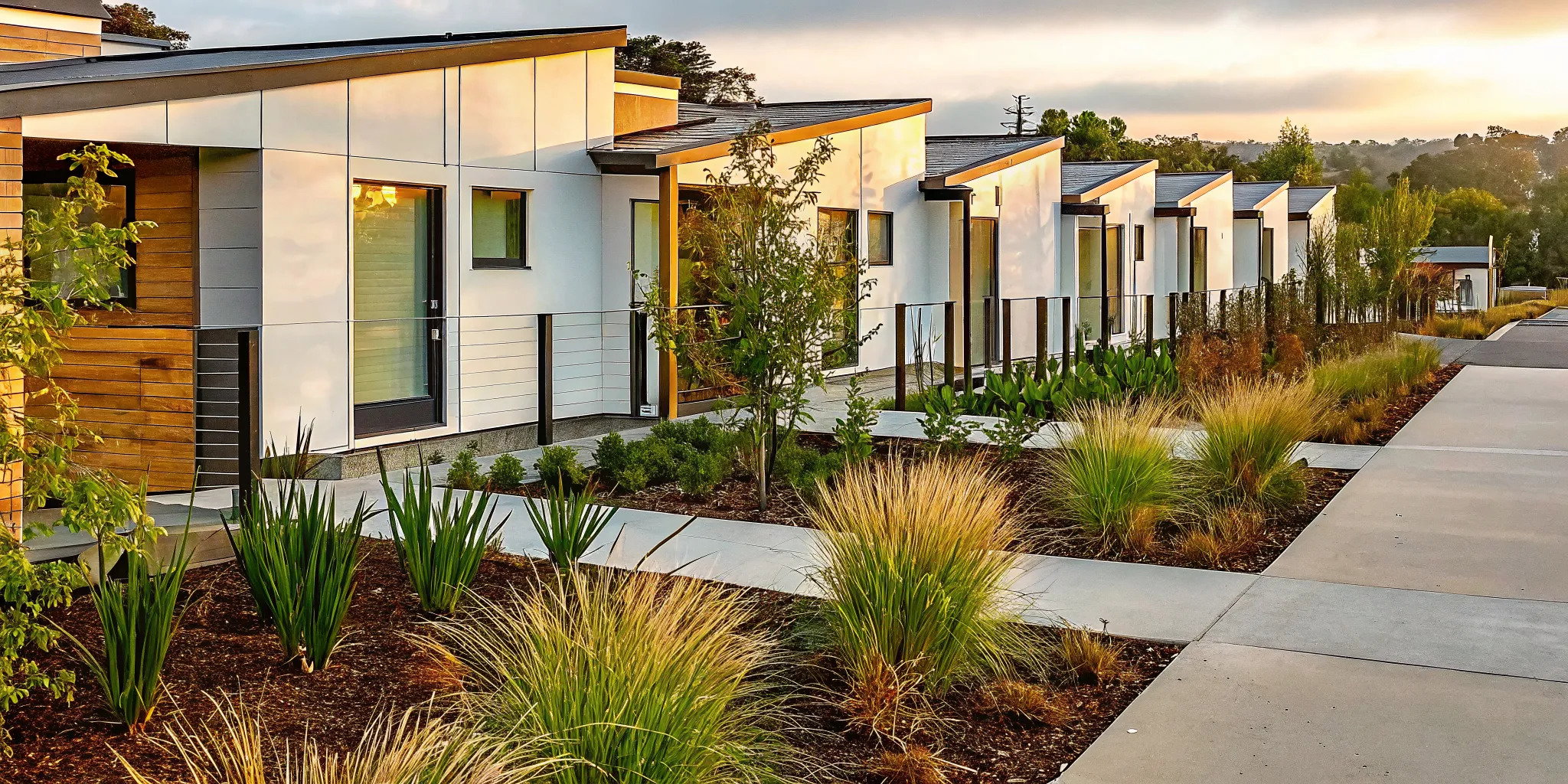
When you hear the term "mobile home," what comes to mind? For many, it’s an outdated image that simply doesn’t match today’s reality. Modern manufactured homes are a world away from those old stereotypes. They are built to last, with high-quality materials and craftsmanship that meets strict federal safety standards. Forget the myths about poor durability or low value. We’re here to show you the truth about today’s stylish and well-built affordable mobile homes. In this guide, we’ll debunk the common misconceptions and give you a clear picture of the quality and comfort you can expect.
Key Takeaways
- Budget for the total cost of ownership: The affordable price of a manufactured home is just the starting point. A realistic budget should also include expenses for land, site preparation, delivery, and installation to give you a clear financial picture from day one.
- Prioritize quality construction and personalization: Modern manufactured homes meet strict federal safety and efficiency standards. A great partner will also provide flexible floor plans and custom finishes, helping you design a space that truly feels like your own.
- Make smart land and financing choices: Your decisions about where to place your home and how to finance it are critical. Owning your land can help your home appreciate in value, and getting pre-approved for a loan early on gives you a clear budget to work with.
What Is an Affordable Mobile Home?
When you hear "affordable home," you might picture a fixer-upper that needs a lot of work and hidden costs. But a manufactured home offers a different path to homeownership, one that combines quality construction with a much more accessible price point. The simple truth is that manufactured homes typically are more affordable than homes built on-site, and it’s not because corners are cut. Instead, it’s all about a smarter, more efficient building process that takes place in a controlled environment.
Think of it this way: building a home in a factory setting eliminates weather delays, reduces material waste, and streamlines labor. Those savings are passed directly to you, the homebuyer. This means you can get a brand-new, modern home without the steep costs and unpredictable timelines associated with traditional construction. An affordable mobile home isn’t a compromise on quality; it’s a practical and financially sound way to own a beautiful space you can call your own. It’s about getting the home you want, with the features you need, on a budget that makes sense for your life. It redefines what "affordable" can mean, shifting the focus from "cheap" to "smart value."
The Different Types of Mobile Homes
One of the best things about manufactured homes is the variety. You aren’t limited to a single boxy design. Instead, you can find a layout that perfectly fits your lifestyle, from compact and efficient to spacious and family-friendly. You’ll generally find three main styles: single-section homes, which are perfect for individuals or couples; larger multi-section homes that offer multiple bedrooms and bathrooms; and modular homes, which provide even more design flexibility.
Each type offers a surprising amount of living space and modern amenities for its cost. With lower purchase prices and energy-efficient features, these homes help you save money from day one and every month after.
Mobile Homes vs. Traditional Homes: Key Differences
The biggest difference between a mobile home and a traditional home comes down to the construction. Manufactured homes are built in sections inside a climate-controlled facility, while traditional homes are built piece by piece on a plot of land, exposed to the elements. This factory-built standardization means labor and material costs are often lower. Our streamlined building process ensures precision and quality control at every step.
This controlled environment also leads to better energy efficiency. Every home must meet strict federal standards from the Department of Housing and Urban Development (HUD). The HUD Code ensures your home is built to a high standard for energy efficiency, which can save you money on utility bills and keep your home comfortable all year long.
What Is the True Cost of an Affordable Mobile Home?
When you see the price tag on a manufactured home, it’s easy to get excited about the affordability. And while it’s true that these homes offer a fantastic path to homeownership without the steep cost of a traditional site-built house, the sticker price is just one piece of the puzzle. To get a clear picture of the total investment, you need to look at all the costs involved, from the day you choose your floor plan to your monthly expenses years down the road.
Think of it like buying a car. The manufacturer's suggested retail price is your starting point, but it doesn’t include taxes, registration, or insurance. Similarly, the price of a manufactured home covers the structure itself. You’ll also need to account for the land, site preparation, delivery, installation, and utility connections. A transparent partner can walk you through every line item, ensuring there are no surprises. Understanding the full financial scope from the start helps you create a realistic budget and makes the journey to your new home a smooth and confident one. Our team is here to help you understand every step, from exploring financing options to handing you the keys.
Breaking Down the Price: Single-Wide vs. Double-Wide
The biggest factor influencing the initial cost of your home is its size. Prices for manufactured homes can range from a few thousand dollars for a pre-owned model to over $150,000 for a brand-new, highly customized home. As you might expect, smaller single-section homes are the most budget-friendly option, perfect for individuals, couples, or small families. As you move up in size to multi-section homes, which offer more square footage and expansive layouts, the price increases accordingly. This variety ensures there’s a beautiful, well-built home for nearly every budget.
Looking Beyond the Sticker Price
The base price of the home is your foundation, but several other one-time costs are essential for getting it move-in ready. It’s important to factor these into your total budget. These expenses typically include purchasing land or preparing a leased lot, delivery of the home to your site, and professional installation. You’ll also need to plan for connecting utilities like water, sewer, and electricity. Depending on your location, you may also have costs for building a foundation, skirting, decks, or stairs. Our team outlines all of these elements in our process so you know exactly what to expect from day one.
Budgeting for Ongoing Expenses
Once you’re settled in, your financial responsibilities will shift to the regular costs of homeownership. If you don't own the land your home is on, you'll have a monthly lot rent, which can range from $200 to over $800 in a mobile home community. You’ll also need to budget for property taxes, homeowner’s insurance, and utilities. Just like any home, manufactured homes require routine maintenance to stay in top shape. This includes tasks like checking your roof, servicing the HVAC system, and other general upkeep. Planning for these recurring expenses will help you enjoy your new home comfortably and without financial stress.
How to Choose a Quality Home Manufacturer
Choosing the right manufacturer is one of the most important decisions you'll make when buying a new home. This isn't just about finding a builder; it's about finding a partner who will guide you through every step, from the first design sketch to the day you get your keys. A great manufacturer makes the entire experience feel collaborative and exciting. They listen to your needs, answer your questions, and ensure the final product is a home you’ll love for years to come.
A Commitment to High-Quality Craftsmanship
The quality of your home comes down to the materials used and the skill of the people who build it. Look for a manufacturer that shows a true dedication to craftsmanship. While all manufactured homes must meet strict federal standards for safety and energy efficiency, the best builders go above and beyond. According to My Home by Freddie Mac, this focus on quality can save you money on monthly utility bills and keep your home comfortable. When you find a company that takes pride in its work, you can feel confident that your home is built to last.
Customizable Homes and Flexible Floor Plans
Your home should be a reflection of you and your family’s lifestyle, not a one-size-fits-all box. A quality manufacturer understands this and offers a wide range of customizable homes and flexible floor plans. You should have the freedom to choose layouts, finishes, and features that work for you. As noted by This Old House, modern manufactured homes offer a surprising amount of living space and amenities for their cost. Whether you need an extra bedroom for a growing family or a spacious kitchen for entertaining, the right partner will help you design a space that feels uniquely yours.
A Clear and Supportive Process
Buying a home is a big deal, and it’s normal to feel a little overwhelmed. That’s why finding a manufacturer with a clear and supportive process is so important. The best companies lay out every step, from financing and design to delivery and installation, so you always know what to expect. They communicate clearly, provide expert guidance, and are there to support you along the way. A transparent and streamlined process turns a potentially stressful experience into an enjoyable journey toward building your dream home.
What to Look for in Your Mobile Home
Once you’ve found a manufacturer you trust, the really exciting part begins: choosing the home itself. This is where you get to translate your vision into a tangible floor plan and design. It’s easy to get swept up in picking out finishes and fixtures, but focusing on the foundational elements first will ensure you end up with a home that truly fits your life. A great home is one that supports your lifestyle, and that starts with getting three key things right: the size and layout, the quality of construction, and the safety standards it meets.
Thinking about these aspects from the start helps you make a confident choice that you’ll be happy with for years to come. It’s about looking beyond the initial appeal and considering how the space will function for you and your family day in and day out. How do you like to spend your mornings? Where does everyone gather after a long day? Answering these questions will guide you toward a home that feels like it was made just for you. We believe the process should be clear and supportive, helping you find a home that not only looks beautiful but also works beautifully for your life.
Finding the Right Size and Layout
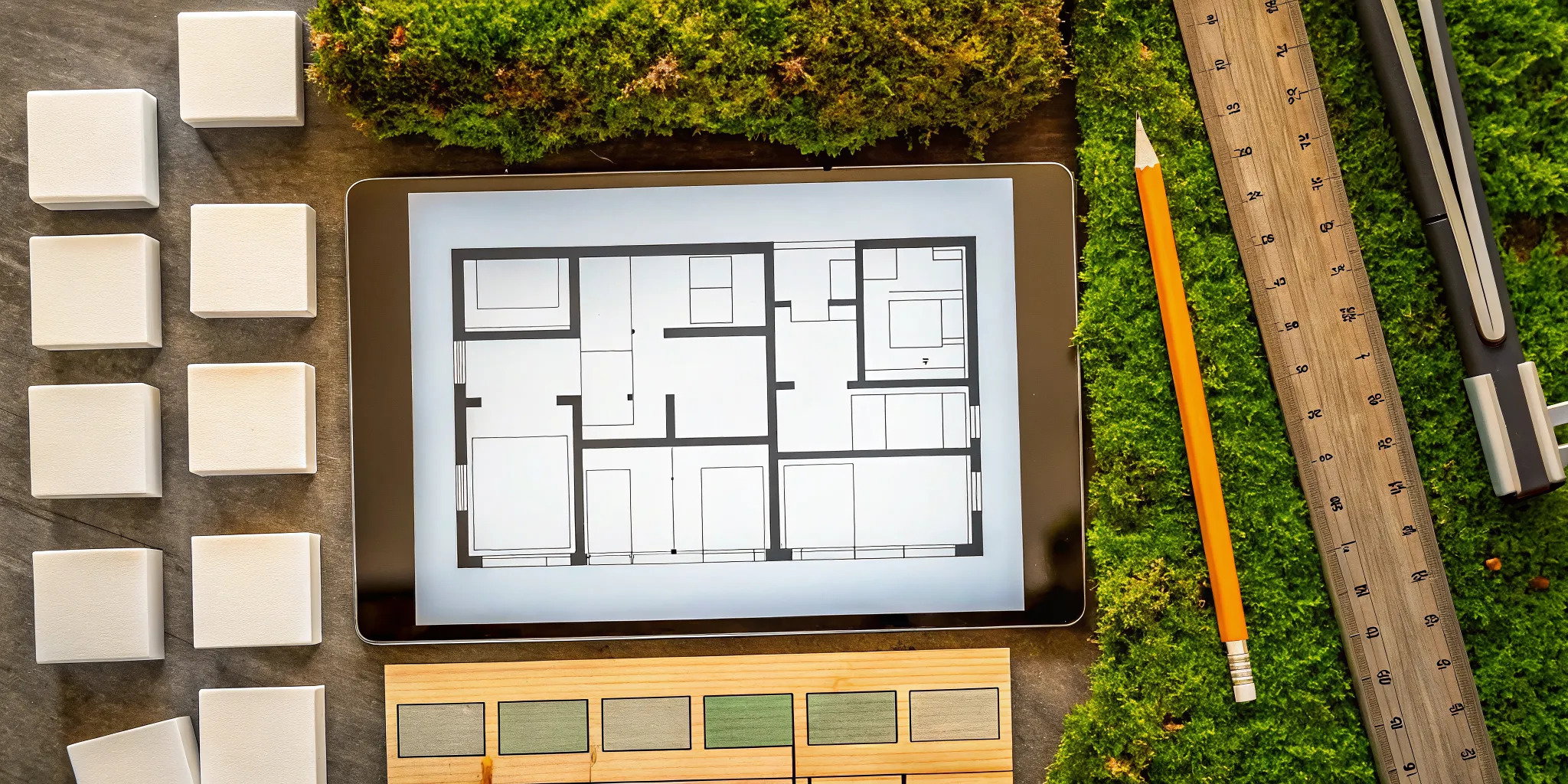
The perfect home layout is all about how you live. Are you a family that needs multiple bedrooms and a common area for game nights, or are you downsizing and looking for a cozy, efficient space? Consider the flow of your daily life. An open-concept kitchen might be perfect for entertaining, while separate living areas can provide much-needed quiet space. We offer a wide range of customizable homes, from compact single-section models ideal for individuals or couples to spacious multi-section homes designed for growing families. Take some time to browse different floor plans and imagine your life inside them.
Evaluating Construction and Energy Efficiency
A well-built home provides comfort and peace of mind for years to come. High-quality construction isn't just about aesthetics; it's about durability and performance. Modern manufactured homes are built in controlled factory environments to exacting standards, which is a major advantage. A key part of this is energy efficiency. Homes built to the federal HUD Code are designed to be well-insulated and airtight, which helps maintain a comfortable temperature year-round. This thoughtful construction can lead to significant savings on your monthly utility bills. You can learn more about how we build our homes by exploring our process.
Understanding Safety Standards and Codes
Safety is non-negotiable when it comes to your home. Every manufactured home must be built to the strict federal standards set by the U.S. Department of Housing and Urban Development (HUD). This code covers everything from fire safety and structural integrity to wind resistance and energy efficiency, ensuring your home is a safe place to live. A reputable manufacturer will not only meet these standards but will also be transparent about their building practices. When you work with a trusted partner, you can feel confident that your new home is fully compliant with all necessary codes, giving you one less thing to worry about.
How Does Mobile Home Financing Work?
Figuring out the financial side of buying a home can feel like a huge hurdle, but it doesn’t have to be. While financing a manufactured home is a little different from a traditional home, the process is quite straightforward once you know your options. The biggest factor is whether you own the land where your new home will be placed. This detail often determines the type of loan you’ll get.
The good news is that there are several paths to securing a loan for your home. From specialized loans designed for manufactured homes to government-backed programs that make homeownership more accessible, you have choices. At Northern Mobile Homes, we help our clients understand their financing options every step of the way, ensuring you find a solution that fits your budget and your life. Let’s walk through the most common loan types, where to find them, and what you’ll need to qualify.
Chattel vs. Real Estate Loans
The two main types of loans for manufactured homes are chattel loans and real estate loans. A chattel loan is used to finance the home itself, separate from any land. Think of it like financing a car or a boat; the home is considered personal property. These loans are common when the home is placed on rented land, like in a mobile home community. They often have slightly higher interest rates and shorter repayment terms than a traditional mortgage.
A real estate loan, on the other hand, is used when you own the land and the home is permanently attached to it. In this case, the home and land are considered a single piece of real property. This loan functions just like a traditional mortgage, typically offering lower interest rates and longer terms.
Exploring FHA and Credit Union Options
You aren’t limited to just one or two lenders. Government-backed programs, like FHA loans, are a fantastic option for many buyers. These loans are insured by the Federal Housing Administration and are known for their flexible requirements, including lower down payments and more forgiving credit score criteria. They can be a great fit for first-time homebuyers who are building their financial foundation.
It’s also a great idea to check with local credit unions. Unlike large national banks, credit unions are member-owned and often provide more personalized service and competitive rates. They have a strong understanding of the local market and can be a wonderful partner in your home-buying process. We can help you explore all these avenues to find the best fit for your financing needs.
Down Payment and Credit Score Expectations
So, what do you need to bring to the table? For a manufactured home, down payments typically range from 5% to 20% of the total purchase price. The exact amount will depend on your lender, the type of loan, and your financial history. Some loan programs, like FHA loans, may allow for a down payment as low as 3.5%.
When it comes to your credit score, most conventional lenders look for a score of 620 or higher. However, don’t be discouraged if your score is a bit lower. Many lenders offer programs for buyers with varied credit histories. The best first step is to check your credit score and then speak with a lender to get pre-approved. This will give you a clear picture of what you can afford.
Where to Find Your Perfect Mobile Home
Once you know what you’re looking for in a home, the next step is figuring out where to find it. Your search can take you down a few different paths, from working directly with the people who build the homes to exploring local sales centers. Each option offers a unique experience, so let’s look at the best ways to connect with your future home.
Working Directly With a Manufacturer
Going straight to the source by working with a manufacturer is the best route for anyone who wants a truly personalized home. This approach gives you the most control over the design, from the floor plan and finishes to the fixtures. You’ll collaborate with a team that knows the homes inside and out, guiding you through every decision. Plus, manufactured homes are built to be energy efficient. The federal HUD Code ensures they meet specific standards, which can help you save on utility bills. Following a manufacturer’s dedicated building plan, like our process, ensures you get a high-quality, custom home built just for you.
Exploring Local Dealerships and Communities
Local dealerships are a great option if you prefer to see and walk through different homes before making a decision. These sales centers typically have a variety of models on display from one or more manufacturers, giving you a real feel for different layouts and sizes. It’s a tangible, hands-on way to shop. Dealerships often have established relationships with lenders and can guide you through financing. They may also have connections with local manufactured home communities, which can simplify your search for land. This path is ideal if you value seeing a finished product and want a streamlined purchasing experience with a pre-selected inventory.
Using Online Resources and Home Shows
The internet is an incredible tool for your home search. You can browse countless floor plans, take virtual tours, and get a solid understanding of your options without leaving your couch. Exploring a builder’s online gallery of our homes is a perfect way to gather ideas and see what’s possible. Another great resource is a home show. These events bring together multiple manufacturers and dealers under one roof, allowing you to compare different styles and features in person. It’s an efficient way to meet industry professionals, ask questions, and see the latest innovations in manufactured housing all in one weekend.
Common Mobile Home Myths, Debunked
Manufactured homes have come a long way, but some outdated ideas still stick around. If you've heard things that make you hesitant, let's clear the air. Many common beliefs about mobile homes are based on models from decades ago, not the high-quality, modern homes built today. It's time to separate fact from fiction so you can make a confident decision for your future.
Myth: They Aren't Built to Last
Let's tackle the biggest misconception first: durability. The image of a flimsy trailer just doesn't match the reality of modern manufactured homes. Every home we build is constructed in a climate-controlled facility, which protects materials from weather damage and allows for a precise, consistent process. More importantly, all manufactured homes built since 1976 must adhere to the strict federal building standards known as the HUD Code. This code regulates everything from structural design and wind resistance to plumbing and electrical systems, ensuring your home is safe and sound. Today’s beautifully designed homes are built with quality materials and are made to last for decades, just like any site-built house.
Myth: They're Inefficient and Hard to Maintain
Another common myth is that manufactured homes are drafty and expensive to heat and cool. The truth is quite the opposite. The same HUD Code that ensures safety also sets standards for energy efficiency. Modern manufactured homes are built with high-quality insulation, energy-efficient windows, and tightly sealed air ducts. This means your home stays comfortable year-round without sending your utility bills through the roof. When you work with us, you can be sure that our process focuses on using modern materials and techniques to create a home that is not only affordable upfront but also economical to live in for years to come.
Myth: They Don't Hold Their Value
The idea that manufactured homes don't appreciate in value is one of the most persistent myths. Like any home, a manufactured home's value is influenced by factors like location, the housing market, and how well it's maintained. When placed on a permanent foundation on land that you own, a manufactured home can appreciate just like a site-built home. Because the initial cost is often lower due to efficient factory construction, you can get more home for your money. Understanding your financing options is a key part of this, as loans that treat the home and land as real property can support its long-term value.
Should You Buy or Rent Your Land?
Once you’ve found the perfect home design, the next big question is where it will live. This is a major decision that shapes your lifestyle and long-term finances, so it’s worth taking the time to explore your options. You essentially have two main paths: buying your own private land or renting a lot in a manufactured home community. Each option comes with its own set of benefits and trade-offs, and the right choice really depends on your personal goals, budget, and what you envision for your future.
Buying land gives you ultimate freedom and the chance to build equity. You can choose your location, design your landscape, and live without the oversight of a community manager. However, it also comes with more responsibility. You're in charge of everything from site preparation and utility hookups to ongoing maintenance. On the other hand, renting a lot in a community offers convenience and built-in amenities, but you'll have to follow community rules and pay monthly lot rent. Many communities handle things like trash removal and road maintenance, which can simplify your life. To help you figure out which path is best for you, let's break down the costs and lifestyle differences between owning and renting your land. This will give you a clearer picture of what to expect with each choice.
Owning vs. Renting: A Cost Comparison
When you buy land, you have a significant upfront investment that includes the purchase price, closing costs, and site preparation. Over time, you’ll also pay property taxes. The major upside is that you’re building equity, and owning the land your home sits on can open up more traditional financing options. Renting a lot in a community requires less money upfront, usually just a security deposit and the first month's rent. However, you’ll have a recurring monthly lot fee, which can increase over the years. While manufactured homes are an affordable path to homeownership, it's crucial to factor in these land costs to understand your total monthly payment and long-term financial picture.
The Pros and Cons of Community Living
Living in a manufactured home community can be a great experience, offering a strong sense of community and shared amenities like pools or clubhouses. Many people appreciate that services like trash pickup and road maintenance are often included in the lot rent. However, there are downsides to consider. The biggest is the potential for lot rent increases, which can impact your budget over time. You’ll also have less privacy and must abide by community rules, which might limit things like pets or exterior decorations. These factors, along with potentially limited financing options, are important to weigh when deciding if community living is the right fit for your lifestyle.
The Real Pros and Cons of Mobile Homes
Choosing a home is a huge decision, and it’s smart to look at it from every angle. Manufactured homes offer some incredible benefits, but like any housing option, they also come with specific considerations. Thinking through the advantages and potential drawbacks will help you decide if this path to homeownership is the right one for you and your family. Let's walk through the most important points to keep in mind.
Benefit: A Lower Upfront Cost and Faster Timeline
One of the biggest draws of a manufactured home is its affordability. Because they are built efficiently in a factory setting, the initial purchase price is often significantly lower than a comparable site-built home. This can make homeownership accessible much sooner than you might think. According to Freddie Mac, "mobile homes typically are more affordable than site-built homes," which lowers the financial barrier for many families. The savings don't stop there. Lower property taxes and modern, energy-efficient features can also reduce your monthly expenses. Plus, the construction timeline is much faster, meaning you can move into your new home in a matter of months, not years.
Benefit: Incredible Customization Options
If you’ve ever dreamed of designing your own space, you’ll love the flexibility that comes with a manufactured home. Forget trying to fit your life into a pre-existing floor plan. You get to tailor your home to your exact needs and style. From the overall layout to the smallest details like countertops and fixtures, you have a say in creating a home that works for you. This level of personalization is a major advantage, allowing you to build a space that truly reflects your personality and lifestyle. You can explore a wide variety of customizable homes to see just how many possibilities are available.
Consideration: Long-Term Value and Appreciation
It’s important to think about how your home’s value might change over time. Historically, manufactured homes haven't always appreciated at the same rate as site-built homes. This is partly because they can be financed as personal property (like a car) instead of real estate. However, this is changing. When a manufactured home is placed on a permanent foundation on land that you own, it's more likely to be treated as real estate and appreciate in value. As Rocket Mortgage notes, the lower initial costs are due to factory standardization, which can play a role in long-term value. Understanding your financing options and whether you plan to own the land are key factors in your home's financial future.
Your Guide to the Home Buying Process
Buying a new home is an exciting milestone, but it can also feel like a huge undertaking. The key is to break it down into smaller, more manageable steps. When you know what to expect, you can move forward with confidence, making smart decisions that align with your budget and your vision for the future. Think of it less as a mountain to climb and more as a clear path to follow. From figuring out your finances to preparing your land, each step brings you closer to the day you get your keys. It’s about turning a complex project into a simple checklist.
At Northern Mobile Homes, we’ve guided countless families through this journey. We believe in making things as straightforward as possible, which is why we’ve developed a clear and supportive system. Our process is designed to handle the details so you can focus on the fun parts, like choosing your floor plan and finishes. We’re here to answer your questions and provide clarity at every stage, ensuring you feel comfortable and informed. Let’s walk through the three essential first steps to getting you into your new manufactured home.
Step 1: Get Pre-Approved for Financing
Before you start browsing floor plans, your first move should be to get pre-approved for financing. This step is crucial because it tells you exactly how much home you can afford, which narrows down your options and keeps your search focused. It also shows sellers and manufacturers that you’re a serious buyer. Many lenders offer specialized loans for manufactured homes. For example, some programs help qualified homebuyers secure a loan with a down payment as low as 5%. Exploring your financing options early on gives you a solid foundation for the entire home-buying process and prevents any surprises down the road.
Step 2: Research Locations and Zoning Laws
Once you have your budget, the next step is to find the perfect spot for your new home. Whether you plan to buy a piece of land or place your home in a community, you need to understand the local rules. Zoning laws and regulations for manufactured homes can vary a lot between different states, cities, and even counties. It’s important to check these rules before you commit to a location to ensure your new home is permitted. This research is a critical part of the process, as it dictates where you can build and what kind of site preparation will be needed.
Step 3: Plan for Installation and Setup
The price of the home itself is just one piece of the puzzle. To get a true picture of your total investment, you need to plan for other costs like permits, land preparation, utility hookups, and moving the home to your site. These setup expenses are a necessary part of the process and should be factored into your budget from the very beginning. Working with an experienced partner can make a world of difference here. We help you create a comprehensive budget that accounts for every detail, ensuring a smooth installation without unexpected costs.
Related Articles
- Financing Options - Northern Mobile & Manufactured Homes
- Manufacturers - Northern Mobile & Manufactured Homes
- Inventory Archive - Northern Mobile & Manufactured Homes
- Inventory Listing - Northern Mobile & Manufactured Homes
- Northern Mobile Homes - Northern Mobile & Manufactured Homes
Frequently Asked Questions
What's the biggest difference between a manufactured home and a traditional home? The main difference is the building process. A manufactured home is built entirely inside a climate-controlled facility, which protects it from weather delays and allows for incredible precision. A traditional home is built on-site, exposed to the elements. This factory process is not about cutting corners; it’s about efficiency, which results in a high-quality home at a more accessible price point, all built to strict federal safety and energy standards.
The price seems affordable, but what other major costs should I budget for? That's a great question, and it's smart to think about the full picture. The price of the home itself is your starting point. You also need to account for the cost of the land (if you're buying it), site preparation, delivery, and professional installation. Other expenses include connecting utilities like water and electricity, and potentially adding a foundation, skirting, or a deck. A good partner will walk you through every one of these costs upfront so your budget is realistic from day one.
How much can I actually customize my home? You have a surprising amount of control over the final design. Customization goes far beyond just picking paint colors. You can work with us to choose a floor plan that fits your lifestyle, whether you want an open-concept living area or more defined rooms. From there, you can select finishes for your kitchen and bathrooms, choose flooring, and decide on fixtures. The goal is to create a space that feels like it was made just for you.
Is it difficult to get a loan for a manufactured home? Not at all, though the process can be a little different. There are several great financing paths available. The most common options are chattel loans, which cover the home itself, and real estate loans, which function like a traditional mortgage if you own the land. Many buyers also use government-backed programs like FHA loans, which have flexible requirements, or find competitive rates through local credit unions. We can help you explore these options to find the right fit.
Will a manufactured home lose value over time? This is a common myth that doesn't reflect today's market. Like any home, a manufactured home's value depends on factors like its location and how well you maintain it. When your home is placed on a permanent foundation on land that you own, it can appreciate in value just like a site-built house. Because the initial cost is lower, it can be a very smart long-term investment.

Northern Mobile Homes NH
Northern Mobile Homes stands out as New Hampshire’s best option for manufactured homes, thanks to our unbeatable combination of exceptional service, affordable prices, and a vast selection. Visit us today to experience why local homebuyers consistently choose New England Mobile & Manufactured Homes as their trusted home dealer. New England Mobile & Manufactured Homes is the best choice for your manufactured or mobile home in Rochester, NH.
Get started with Northern Mobile Homes NH
Find, design, and order your next home in a few clicks.
Dealer License #: