
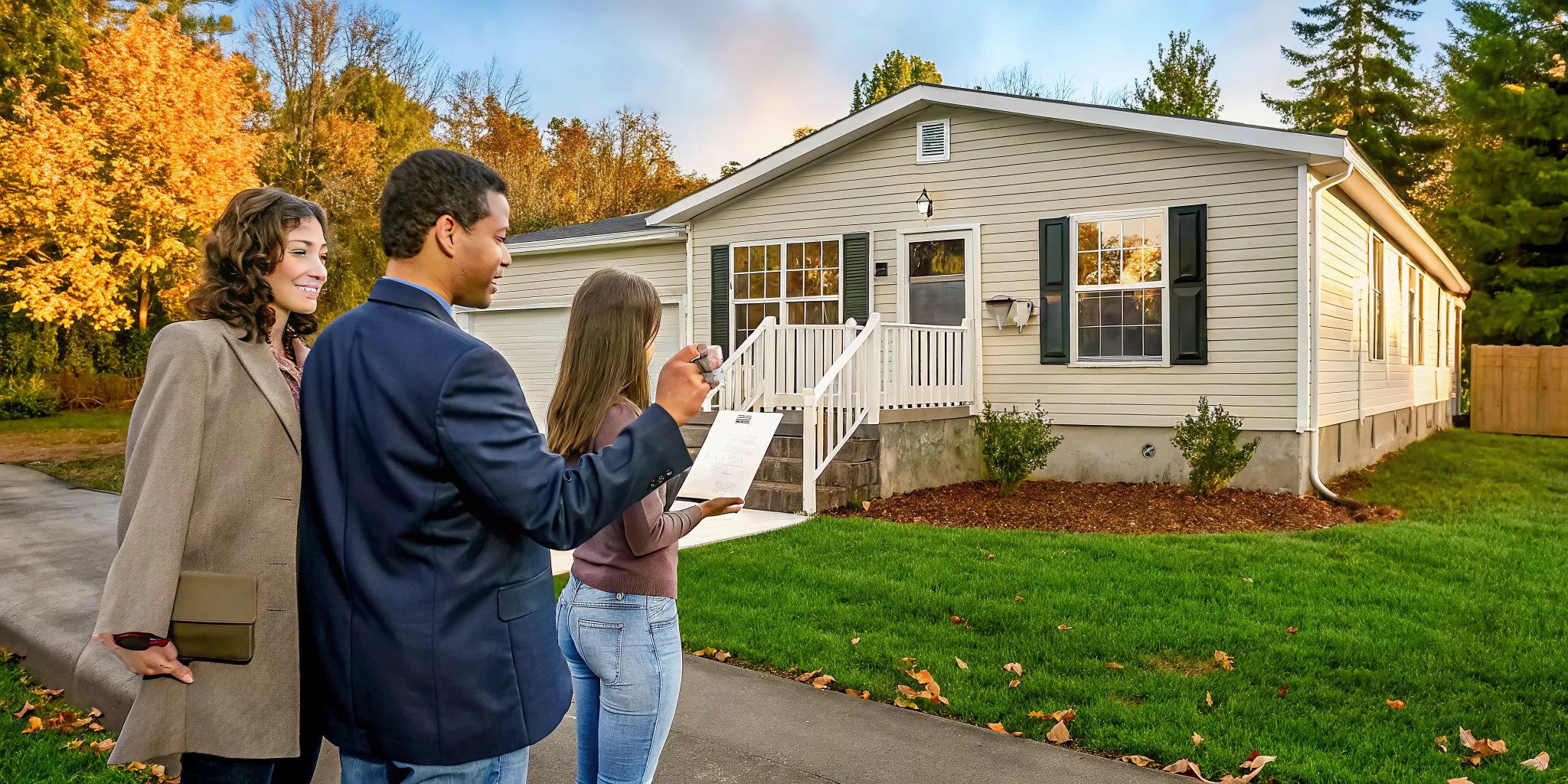
How to Buy a New Mobile Home in New England
Learn how to buy a new mobile home in New England with practical tips on costs, financing, choosing land, and finding the right builder for your needs.
When you hear the words "mobile home," what comes to mind? If you're picturing flimsy, outdated boxes from decades ago, it's time for an update. The manufactured homes of today are a world away from those old stereotypes. We're talking about stylish, durable, and energy-efficient homes built to rigorous federal standards, with customization options that rival site-built properties. Many of the myths that still float around are simply not true, and they might be holding you back from an incredible homeownership opportunity. This article will set the record straight, debunking common misconceptions about value, financing, and design. We'll give you the real facts you need to decide if you want to buy a new mobile home in New England.
Key Takeaways
- Understand Your Options for an Affordable Home: Manufactured homes offer a cost-effective alternative to site-built houses, with customizable single-section, multi-section, and modular designs to match your budget and lifestyle in New England.
- Prioritize Owning Your Land for a Stronger Investment: Your home is more likely to gain value and qualify for better financing, like a conventional mortgage, when it is placed on a permanent foundation on land that you own.
- Look Past Outdated Myths to See Modern Quality: Today's manufactured homes are built to strict federal safety and construction standards, resulting in durable, energy-efficient, and stylish homes that are a smart investment.
What Is a Manufactured Home in New England?
Let's start with the basics. You’ve probably heard the term "mobile home," but the industry now uses "manufactured home" to describe these properties. So, what are they exactly? A
In New England, where housing costs can be a major hurdle, manufactured homes offer a fantastic and affordable path to homeownership. The factory-controlled process means your home is built indoors, protected from the elements. This prevents weather-related delays and damage, reduces material waste, and allows for a level of quality control that’s hard to match with on-site construction. They aren't the one-size-fits-all boxes of the past, either. Today’s homes come in a wide range of styles, sizes, and customizable floor plans, allowing you to create a space that truly feels like your own. Whether you're a first-time buyer, looking to downsize for retirement, or dreaming of a vacation getaway, there are many types of homes to fit your life and budget.
Single-Section Homes
Single-section homes, often called single-wides, are a popular and practical choice. These homes are built and transported as one complete unit, making them incredibly efficient to set up. Because of their streamlined design and smaller footprint, "single-wide homes are the cheapest," which makes them an amazing option for individuals, couples, or small families. They are a perfect entry point into homeownership without the hefty price tag. Don't let the simple design fool you; modern single-section models are stylish, comfortable, and can be customized to fit your needs perfectly. They are an ideal solution for anyone looking for a cozy, low-maintenance, and budget-friendly home.
Multi-Section Homes
If you need more square footage, a multi-section home is likely the right fit for you. These homes, which include double-wides and triple-wides, are constructed in two or more sections in the factory. The sections are then transported separately to your land and expertly joined together on-site. This process creates a home with a more traditional, spacious layout that often feels indistinguishable from a site-built house. Naturally, "double-wide and triple-wide homes cost more because they are bigger," but that extra investment gives you more room for a growing family, a home office, or entertaining guests. Our multi-section homes offer expansive living areas, multiple bedrooms and bathrooms, and endless opportunities for customization.
Modular Homes
It’s also important to understand how modular homes fit into the picture, as they are a bit different from manufactured homes. Like manufactured homes, they are built in a factory, but that’s where the similarities end. Modular homes are built in sections (or modules) and are constructed to meet all state and local building codes, the same codes that apply to traditional site-built homes. Because of this, "modular homes are precision-built in a controlled factory setting and assembled on-site, offering high-quality construction, modern designs, and durability." They are placed on a permanent foundation and often offer even greater design flexibility. For many buyers, a modular home provides the best of both worlds: the quality control of factory building with the appearance and legal classification of a traditional home.
How Much Does a New Manufactured Home Cost?
One of the first questions on anyone's mind when considering a new home is, "What's the price tag?" With manufactured homes, the answer is that it truly depends on what you’re looking for. While they are a famously affordable path to homeownership, the final cost can vary quite a bit. The sticker price you see for a base model is just the starting point.
Think of it like buying a car. You have the base model, and then you have all the features and upgrades that make it uniquely yours. The same goes for your home. The size, style, and special features you choose will all shape the final price. To give you a clear picture, let's break down the costs you can expect, from the initial purchase to the long-term expenses of owning your beautiful new home.
What Influences the Final Price?
The base price of a manufactured home is influenced by a few key factors. The most significant is size and type. A cozy single-section home will have a different starting price than a spacious multi-section or modular home. Beyond the square footage, the specific floor plan and any structural customizations you choose will also play a role.
Next are the features and finishes. This is where you can really personalize your space. Upgrading to premium flooring, adding a kitchen island with granite countertops, or opting for high-end appliances will add to the cost. The good news is that you have control. You can decide where to splurge and where to save, ensuring the home you design fits your budget and your vision perfectly.
Budgeting for Additional Costs
The price of the home itself is just one piece of the puzzle. To create a realistic budget, you need to account for several other expenses. If you don't own land, you'll need to either buy a plot or lease a lot in a manufactured home community. Lot rent can range from $200 to over $800 per month, depending on the location and amenities.
You’ll also need to budget for site preparation, delivery, and installation. Our team walks you through every step of our process so these costs are clear from the start. Other expenses include hooking up utilities, home insurance (typically $300 to $1,000 per year), and property taxes. A good rule of thumb is to also set aside 1% to 3% of your home's value each year for maintenance to keep it in top shape.
New vs. Used: What to Expect
You might see used single-wide homes listed for as low as $10,000 to $20,000, which can seem like a great deal. However, these homes may come with hidden costs for repairs, updates, and bringing them up to current energy standards. A new manufactured home, on the other hand, typically ranges from $70,000 to $150,000 or more, especially for larger multi-section homes with modern features.
While the upfront cost is higher, buying new gives you a home built to the latest codes, complete with energy-efficient windows and appliances that save you money over time. You also get the peace of mind of a manufacturer's warranty and the joy of knowing you’re the very first person to live in your home. Plus, you get to customize it exactly how you want it from day one.
Is a Manufactured Home Right for You?
Deciding on the right type of home is a huge step, and it's smart to weigh all your options. A manufactured home can be an amazing path to homeownership, especially in New England, but it’s not a one-size-fits-all solution. Thinking through the benefits and potential challenges is the best way to figure out if this is the right move for you and your family. It’s all about matching your lifestyle, budget, and long-term goals with the right housing option. Let's break down what you can expect so you can make a choice you feel confident about.
The Pros
The most significant advantage for many people is affordability. A new manufactured home can cost significantly less than a traditional, site-built house, making homeownership more accessible. Plus, today’s manufactured homes are built in a controlled factory environment, which means construction is faster and isn't delayed by bad weather. This precision building process also leads to impressive energy efficiency, which can save you a lot of money on utility bills through our cold New England winters and warm summers. It’s a practical way to get a beautiful, brand-new home without the hefty price tag of a comparable site-built property.
The Cons
It’s also important to go in with your eyes open to the potential downsides. The initial price of the home isn't the final number; you'll need to budget for extra costs like transporting the home and preparing the land with a foundation. A good partner will help you see the full picture from the start, which is why our transparent process is designed to make sure you have a clear understanding of all costs involved. Another consideration is that manufactured homes can sometimes be harder to resell, particularly if they are on leased land. If you're renting the land in a community, you might also face community fees, rent increases, or rules that can change over time.
Debunking Myths About Manufactured Homes
If you’ve heard some not-so-great things about manufactured homes, you’re not alone. Many of the common beliefs floating around are based on outdated information from decades ago. The truth is, modern manufactured homes are built to exceptionally high standards, offering quality, durability, and style that rivals traditional site-built homes. It’s time to set the record straight on a few of these persistent myths so you can feel confident in your home-buying decision. Let's clear up some of the biggest misconceptions and look at what today's manufactured homes really have to offer.
Myth: They always lose value
Let's tackle the biggest financial concern right away: the idea that manufactured homes are a poor investment. The reality is quite the opposite. Just like site-built homes, manufactured homes can and do appreciate over time. According to Experian, manufactured homes can gain value right along with the rest of the housing market. The key factors influencing a home's value are universal: location, the condition of the home, and the strength of the local market. Placing your home on a permanent foundation on land that you own is one of the best ways to ensure it's treated as a real estate asset that grows in value.
Myth: Financing is impossible to get
Worries about financing can stop a home search before it even begins. While it’s a common concern, the idea that you can't get a loan for a manufactured home is simply not true. There are many financing options available to buyers. In fact, if you place your manufactured home on a permanent foundation on land you own, you can often qualify for a conventional mortgage, just as you would for a traditional home. Lenders recognize the quality and longevity of modern manufactured homes, opening up pathways to ownership through FHA, VA, and chattel loans as well.
Myth: You're stuck with limited designs
If you’re picturing a row of identical, uninspired boxes, it’s time for a new image. The "cookie-cutter" stereotype couldn't be further from the truth. Today’s manufactured homes offer an incredible range of customization choices that allow you to create a space that is uniquely yours. From open-concept layouts and vaulted ceilings to gourmet kitchens, porches, and spa-like bathrooms, you have the freedom to design your dream home. You can personalize everything from the flooring and cabinets to the exterior siding and color scheme, ensuring your new home perfectly reflects your style and needs.
Finding the Right Partner for Your New Home
Choosing who builds your new home is one of the most important decisions you'll make in this entire process. This isn't just a transaction; it's a partnership. The right builder acts as your guide, helping you with everything from picking a floor plan to understanding site prep and final installation. A great partner makes the experience feel exciting and straightforward, while the wrong one can add unnecessary stress and confusion. You want a team that listens to your vision, respects your budget, and has the expertise to bring your dream home to life, especially in a region with specific needs like New England.
Your builder should be a source of support and knowledge, answering your questions and keeping you informed every step of the way. They are responsible for turning a blueprint into your personal sanctuary, so it’s crucial to find a company with a proven track record of quality craftsmanship and excellent customer care. Taking the time to find a team you trust will pay off in the long run, giving you peace of mind and a beautiful, well-built home you’ll love for years to come. This is why understanding our process from the start is so important to us; we believe a transparent journey is a happy one.
What to Look for in a Builder
When you start looking for a builder, focus on finding a team with deep industry experience and a genuine commitment to customer service. A great builder has a knowledgeable staff that takes the time to understand your specific needs, from your lifestyle to your land and budget. Look for companies that offer transparent pricing without hidden fees, so you know exactly what to expect financially. The best partners make the home-buying process feel simple and even enjoyable. They should have a long history of helping families and be able to provide clear, expert guidance every step of the way.
The Northern Mobile Homes Difference
We pride ourselves on being the kind of partner you can count on. As a family-owned business serving New Hampshire, Maine, Massachusetts, and Vermont, we understand what it takes to build a home that stands up to New England weather. We offer a wide selection of high-quality, energy-efficient homes from trusted brands like Titan, Skyline, and Clayton, ensuring you get a home that’s both beautiful and affordable. Our main goal is to provide a stress-free buying experience, which is why we focus on great customer service. You can learn more about our commitment to you and your family.
How to Finance Your New Home
Figuring out the financing for your new home might feel like the biggest hurdle, but it’s more straightforward than you think. Gone are the days of limited, confusing options. Today, there are several clear paths to financing your manufactured home, many of which are identical to those for a traditional site-built house. The key is finding the right fit for your situation, especially regarding land ownership. We can help you explore all the available financing options to make your dream home a reality.
Chattel Loans
Think of a chattel loan as being similar to a car loan; it’s a loan for the home itself, not the land it sits on. This is a very common financing method, especially for homes placed on leased land in a community. While they are accessible, chattel loans often come with higher interest rates and shorter terms than a traditional mortgage. It's a popular route, with an Experian report noting that about 42% of manufactured homes are financed this way, but it’s important to weigh the long-term costs.
FHA, VA, and USDA Loans
If you plan to own the land your home sits on, you can often use government-backed loans. These are fantastic options that can offer more favorable terms, like lower interest rates and down payments. FHA loans are popular with first-time buyers, VA loans are a great benefit for service members and veterans, and USDA loans are designed for homes in eligible rural areas. These loans typically require the home to be permanently attached to a foundation, treating it just like a traditional real estate asset.
Conventional Mortgages
Yes, you can absolutely get a conventional mortgage for a manufactured home. This is the same type of loan you would get for a site-built house, and it’s a great goal for many buyers. The main requirement is that the home must be classified as "real property," which means you own both the house and the land it sits on, and the home is on a permanent foundation. Following our process ensures your home meets the standards for this excellent financing route.
Down Payments and Credit Scores
Let's talk numbers. Your down payment will typically range from 5% to 20% of the home's total price, similar to a traditional home purchase. Your credit score will also play a big role in the interest rate you secure. The good news is that certain loan types, like FHA loans, may allow for a down payment as low as 3.5% for qualified buyers. Taking some time to review your credit and save for a down payment can make a huge difference in your monthly payment and long-term costs.
How Owning Land Affects Financing
The decision to own your land or lease a lot in a community is one of the most significant factors in your home's financing and long-term value. When you own the land and place your home on a permanent foundation, it generally appreciates in value right alongside the traditional housing market. This allows you to build equity over time. Conversely, a home on leased land is often treated more like personal property and may depreciate, which can impact your financing options and resale value down the road.
Buying Land vs. Leasing in a Community
One of the biggest decisions you'll make when buying a new manufactured home is where it will live. You have two main paths: buying your own private land or leasing a lot in a manufactured home community. This choice affects everything from your daily lifestyle and monthly budget to your home's long-term financial future. There’s no single right answer, as each option offers a different set of benefits. Understanding the key differences will help you decide which path is the best fit for your family and your financial goals.
Think of it this way: are you prioritizing long-term investment and total freedom, or are you looking for convenience, community, and included amenities? Let's break down what each option means for you.
The Benefits of Owning Your Land
Owning the land your home sits on is the surest way to treat your home as a long-term investment. When you own both the house and the property, you have a traditional real estate asset. According to Experian, manufactured homes can appreciate in value just like site-built homes when they are permanently attached to land that you own. This means your property could be worth more in the future, allowing you to build equity over time.
Beyond the financial upside, owning your land gives you complete control. You won't have to worry about lot rent increases or community rules. You have the freedom to landscape, build a garage, or plant a garden exactly how you want, as long as you follow local zoning laws. This path offers true independence and the potential for significant financial growth.
The Perks of Community Living
Leasing land in a manufactured home community offers a different kind of value, one focused on lifestyle and convenience. In this setup, you own your home but rent the lot it occupies. As The Piney Woods Community notes, a major pro is access to shared features like pools, clubhouses, or fitness centers. These amenities are maintained by the community, so you can enjoy them without the personal upkeep.
This option often fosters a strong sense of neighborhood, which is great for families and anyone seeking social connections. Communities are also frequently located near shopping, schools, and other services. If you want a low-maintenance lifestyle with built-in amenities and a ready-made social environment, leasing in a community could be the perfect fit for you.
How Your Land Choice Impacts Resale Value
Your decision to buy or lease land directly influences your home's resale value. As we covered, owning your land helps your home appreciate. The opposite can be true when you lease. Experian explains that homes on leased land often lose value over time, similar to how a car depreciates. This happens because the home is considered personal property, not real estate, and the structure itself ages.
When you sell a home on leased land, you are only selling the structure, not the valuable land beneath it. A potential buyer will also have to be approved by the community management and agree to take over the lot lease. This can make the selling process more complicated and may limit your pool of buyers. Considering the long-term financial picture is crucial when weighing your options.
Must-Have Features for Your New England Home
Living in New England is a unique experience, with four distinct seasons that each bring their own charm and challenges. When you’re choosing a new home, you want to make sure it’s not just beautiful, but also perfectly suited for life here. From snowy winters to humid summers, your home needs to be a comfortable, efficient, and sturdy sanctuary. Let's walk through the features that are absolute must-haves for any manufactured home in our beautiful corner of the country.
Energy Efficiency for Four-Season Comfort
If there's one thing New Englanders know, it's weather. Keeping your home cozy in January and cool in July without breaking the bank is a top priority. That’s why energy efficiency is non-negotiable. Modern manufactured homes are built to be incredibly energy-efficient, which can help you save a significant amount on your power bills month after month. Think high-quality insulation, well-sealed windows, and efficient heating and cooling systems. This isn't just about saving money; it's about creating a consistently comfortable living space for you and your family, no matter what the forecast says.
Smart Floor Plans and Layouts
Your home's layout should work for your life, not against it. The beauty of today's manufactured homes is that you can customize them with different layouts and modern features. Do you love hosting family holidays? An open-concept kitchen and living area might be perfect. Working from home? You can design a dedicated office space. Need a spot for muddy boots and winter coats? A practical mudroom is a game-changer. Taking the time to choose from a variety of floor plans ensures you get a home that feels like it was made just for you.
Built to Withstand New England Weather
New England weather is no joke, so your home needs to be tough. Thankfully, modern construction methods have made manufactured and modular homes more durable than ever. Modular homes, for example, are precision-built in a controlled factory setting and assembled on-site. This process results in high-quality construction that can stand up to heavy snow, strong winds, and whatever else Mother Nature throws our way. Plus, all manufactured homes are built according to a strict building process that meets federal HUD standards, ensuring they are not only affordable and energy-efficient but also safe and resilient. This gives you peace of mind knowing your home is a secure shelter.
Understanding Local Rules and Regulations
Before you get too far into choosing floor plans and finishes, it’s important to handle the local requirements for your new home. Every town and county in New England has its own set of rules, and figuring them out is a critical step in the home-buying process. This might sound like a lot of red tape, but it’s all about ensuring your home is safe, secure, and legally placed. A good building partner will guide you through these steps, but it’s always smart to know what to expect. From zoning and permits to insurance and community rules, here’s what you need to know.
Zoning, Permits, and Site Prep
First things first: you need to know where your home can go. You’ll need to check local zoning laws, as these regulations dictate where manufactured homes are permitted. Some towns have specific areas for manufactured homes, while others are more flexible. Once you have your land, you’ll need permits for installation, which can include building, electrical, and septic permits. Proper site preparation is also essential. This means making sure the land is perfectly level, a proper foundation is installed, and connections for water, sewer, and electricity are ready to go. This groundwork ensures the stability and longevity of your home for years to come.
Insuring Your Home
Protecting your new home with the right insurance is a must. The process of insuring a mobile home is slightly different from a traditional site-built house, so it’s important to work with an agent who understands the specifics. You’ll want a policy that provides comprehensive coverage for the structure itself, your personal belongings inside, and liability in case of accidents. Given New England’s four-season climate, make sure your policy includes protection against potential weather events like heavy snow, wind, and ice. Getting quotes from a few different providers will help you find the best coverage for your investment.
Understanding Community Guidelines
If you’re planning to place your new home in a manufactured home community, you’ll need to get familiar with its rules. Before you commit, ask for a copy of the community guidelines and read them carefully. These documents outline everything from home maintenance and landscaping standards to policies on pets, parking, and sheds. Many communities have a homeowners association (HOA) that enforces these rules and collects fees to maintain common areas. Understanding these expectations upfront ensures you find a community that fits your lifestyle and helps you avoid any surprises or potential fines down the road.
From First Look to Move-In Day: The Process
Seeing your new home come to life is an incredibly rewarding experience. Unlike a traditional home purchase where you buy a finished product, buying a manufactured home is a creative partnership. You get to be involved from the ground up. The journey is streamlined into clear, manageable stages, so you always know what’s happening next. From choosing your finishes to the final walkthrough, a dedicated team is there to handle the details. This ensures the process feels less like a stressful construction project and more like you’re watching your dream home take shape, piece by piece.
Designing Your Dream Home
This is where the fun really begins. Forget the one-size-fits-all approach; modern manufactured homes are all about personalization. You’ll start with a foundational floor plan and then customize it to fit your lifestyle. Think about how you want your home to feel. Do you want an open-concept kitchen for entertaining or a cozy den for quiet evenings? You can personalize everything from layouts and modern features to the specific decor options that make a house a home. We guide you through our process of selecting flooring, cabinets, countertops, and paint colors, ensuring the final design is a true reflection of you.
Delivery and On-Site Installation
Once your home is built to your exact specifications in a climate-controlled facility, it’s time for delivery. This stage can seem complex, but it’s a well-oiled machine. Your home is carefully transported to your property, where a specialized crew is ready for its arrival. The team will expertly place the home on its foundation, secure it, and handle all the utility connections. From your first visit to the final installation, our experienced professionals are there to manage the logistics and guide you every step of the way. You can relax knowing that all the technical work is handled with precision, leaving you to simply anticipate move-in day.
Maintaining Your Home's Value
Your home is an investment, and a manufactured home is no different. When placed on land that you own, a manufactured home generally gains value right along with the traditional housing market. Protecting that investment comes down to simple, routine upkeep. A good rule of thumb is to budget between 1% and 3% of your home’s value for annual maintenance tasks like checking seals, cleaning gutters, and touching up paint. Staying on top of these small jobs prevents them from turning into larger, more expensive repairs and keeps your home in beautiful condition for years to come.
Related Articles
- Manufacturers - Northern Mobile & Manufactured Homes
- Financing Options - Northern Mobile & Manufactured Homes
- Skyline Lake Manor Series - Achiever 6903 - Northern Mobile & Manufactured Homes
- Northern Mobile Homes - Northern Mobile & Manufactured Homes
- 4 Leisure Lane, Belmont, NH 03220 - Northern Mobile & Manufactured Homes
Frequently Asked Questions
What’s the real difference between a manufactured home and a modular home? This is a great question because the terms are often used interchangeably. The main difference comes down to the building codes they follow. A manufactured home is built to a national standard set by the U.S. Department of Housing and Urban Development (HUD). A modular home, on the other hand, is built to meet all the same state and local building codes as a traditional, site-built house. Because of this, modular homes are placed on a permanent foundation and are often financed and appraised just like a site-built home.
Besides the price of the home, what other major costs should I budget for? Thinking about the full financial picture is smart. The price of the home itself is your starting point. From there, you need to account for the cost of the land if you are buying it, or the monthly lot rent if you choose a community. You will also have costs for site preparation, which includes creating a foundation and connecting utilities like water, sewer, and electricity. Finally, there are expenses for delivering and installing the home. We help you map out all these costs from the beginning so there are no surprises.
Is a manufactured home a good long-term investment? Yes, it absolutely can be. The idea that manufactured homes always lose value is outdated. When you own the land and place your home on a permanent foundation, it is treated as real property and can appreciate in value over time, just like a traditional home. The key factors are the same for any house: a good location, consistent maintenance, and a healthy local housing market.
How long does the whole process take, from design to move-in day? The timeline can vary, but it's almost always faster than building a traditional home. The factory construction of the home itself is very efficient and can be completed in a matter of weeks since there are no weather delays. The total time from when you sign the contract to when you get your keys depends on factors like how much customization you choose, how long it takes to get local permits, and how much site preparation your land needs. Generally, you can expect the entire process to take a few months.
This all sounds great, but I'm overwhelmed. Where do I even begin? It's completely normal to feel that way. The best first step is to figure out your budget. Knowing what you can comfortably afford will help guide all your other decisions. Next, think about where you want to live, which means deciding between buying your own land or leasing a spot in a community. Once you have a handle on those two things, it’s the perfect time to talk with a builder. We can walk you through floor plans and financing options that fit your budget and vision.

Northern Mobile Homes NH
Northern Mobile Homes stands out as New Hampshire’s best option for manufactured homes, thanks to our unbeatable combination of exceptional service, affordable prices, and a vast selection. Visit us today to experience why local homebuyers consistently choose New England Mobile & Manufactured Homes as their trusted home dealer. New England Mobile & Manufactured Homes is the best choice for your manufactured or mobile home in Rochester, NH.
Get started with Northern Mobile Homes NH
Find, design, and order your next home in a few clicks.
Dealer License #:


