Your Guide to Double Wide Mobile Home Financing Options
Find double wide mobile home financing options, compare loan types, and get tips to secure the best rates for your new manufactured home purchase.
You may have heard that getting a loan for a manufactured home is difficult, or that you’ll be stuck with high interest rates. A lot of that information is based on outdated ideas from decades ago. The reality of buying a modern, high-quality double wide home is much different. Today, there are more pathways to homeownership than ever before. This guide is here to set the record straight and bust the common myths you might have encountered. We will walk you through the real landscape of double wide mobile home financing options, showing you how to qualify for great rates and find lenders who understand the value of your investment.
Key Takeaways
- Owning your land creates better loan opportunities: Attaching your home to a permanent foundation on land you own classifies it as real property. This simple step opens the door to traditional mortgages, which often have lower interest rates and more favorable repayment terms.
- Explore all financing paths to find your fit: Don't limit yourself to one type of loan. Research all your options, including accessible government-backed programs like FHA and VA loans, conventional mortgages, and specialized chattel loans to find the one that best suits your financial situation.
- A strong application starts with preparation: Before you apply for loans, take time to review your credit report, gather your financial documents, and get pre-approved for a loan. This preparation shows lenders you are a serious buyer and helps you secure the best possible terms.
What Is a Double Wide Home?
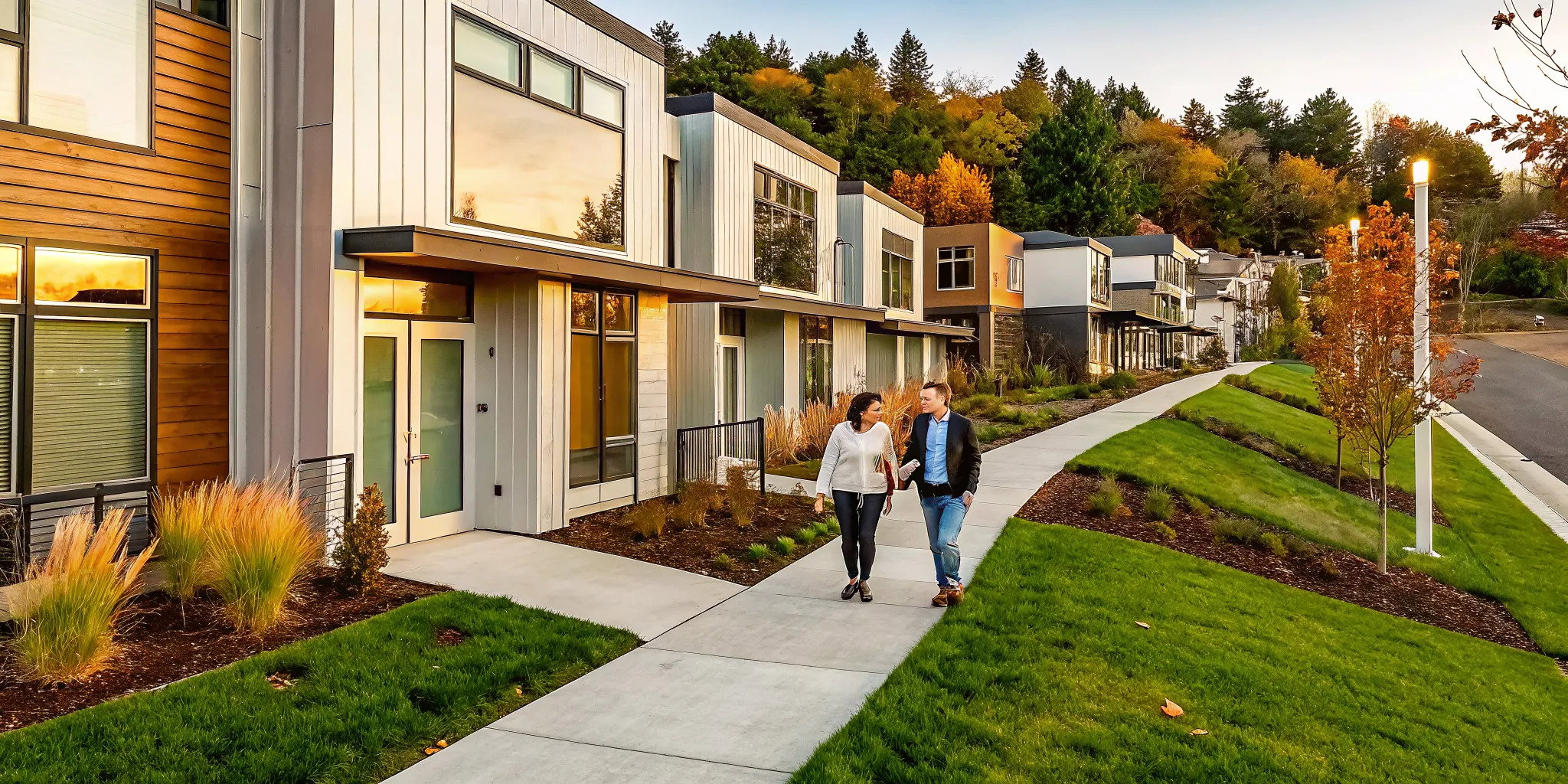
If you're picturing a spacious, modern home with an open floor plan, you might just be thinking of a double wide. A double wide is a type of manufactured home that is built in a factory as two separate sections. These sections are then transported to your property and expertly joined together, creating a single, cohesive house. This two-part construction is what allows for the wider, more traditional layouts that feel just like a site-built home, complete with distinct living areas, larger kitchens, and multiple bedrooms. It’s this extra width that really transforms the living experience, making room for features like kitchen islands, ensuite bathrooms, and dedicated laundry rooms.
Because they offer more square footage than their single-section counterparts, double wides are a fantastic choice for growing families, couples who need a home office, or anyone who simply wants more room to spread out. You get the design flexibility and open feel of a larger home without the hefty price tag of traditional construction. It’s a smart way to get the space you need in a home you love. At Northern Mobile Homes, we offer a variety of multi-section homes that you can customize to fit your life perfectly, ensuring your new home is both beautiful and functional.
Double Wides vs. Single Section Homes
The most obvious difference is right in the name. A double wide consists of two adjoined sections, while a single section home is one long unit. This extra width in a double wide opens up a world of possibilities for floor plans, giving you more living space and design flexibility. The cost is also a key factor. According to Bankrate, a typical double-wide manufactured home costs about $162,100, offering significant savings compared to a traditional site-built home. It's also helpful to know that while people often use "mobile home" and "manufactured home" interchangeably, a manufactured home is built in a factory but designed to stay in one place once it's set up, adhering to strict federal building codes.
Personal vs. Real Property: Why It Matters for Your Loan
This might sound like legal jargon, but it's a crucial concept for financing. How your home is classified legally affects your loan options. A home can be either "personal property" (like a car) or "real property" (like a traditional house attached to land). As Triad Financial Services explains, the length of your loan often depends on this classification. To get certain types of mortgages, your home needs to be legally titled as "real property." In fact, this is a key part of the manufactured home financing guidelines from lenders like Fannie Mae. This usually involves permanently affixing the home to land that you own, which can open up more favorable loan terms and rates.
How to Finance Your Double Wide Home
Figuring out how to pay for your new home is a major step, but it’s more straightforward than you might think. There are several excellent financing options available for manufactured homes, each with its own benefits. Whether you’re a first-time buyer or downsizing, you can find a loan that fits your financial situation. Let’s walk through the most common paths to financing your dream double wide.
FHA Loans
Backed by the federal government, FHA loans are often easier to qualify for. A Title I loan can cover the home itself, even if you don't own the land. If you own your land, a Title II loan is a great choice, requiring the home to be on a permanent foundation. With down payments as low as 3.5% and terms up to 30 years, FHA loans are a popular and accessible option for many buyers.
Chattel Loans
Think of a chattel loan like a car loan, but for your home. The home itself serves as collateral, not the land. The approval process is typically much faster than a traditional mortgage, which is a big plus if you’re looking to move quickly. The trade-off is that chattel loans usually have higher interest rates and shorter repayment terms, so they are best when speed is your top priority.
Conventional Loans
If you own your land and place your home on a permanent foundation, a conventional loan from a private lender is an excellent route. These loans treat your home as real estate, which can secure better interest rates. Fannie Mae’s MH Advantage program, for example, offers 30-year loans with down payments as low as 3% for qualifying multi-section homes. This is a fantastic way to get terms similar to a traditional mortgage.
VA Loans
For eligible veterans, service members, and surviving spouses, a VA loan is one of the best deals available. These loans often require no down payment, allowing you to finance 100% of your home's cost. To qualify, the double wide must be permanently attached to land that you own. While there is a small funding fee, the benefits of a VA loan are hard to beat. It’s a well-deserved benefit that makes homeownership more attainable.
Personal Loans
A personal loan is another way to finance your home, especially if the purchase price is lower. Because these loans are unsecured, your home is not used as collateral, and the application process is usually quick. However, personal loans tend to have higher interest rates and lower borrowing limits than secured loans. If you have strong credit and need financing fast without tying it to your property, this could be the right fit.
How Owning Land Changes Your Financing
One of the biggest decisions you’ll make when buying a double wide home is whether you’ll also own the land it sits on. This choice creates two very different paths for your financing journey. Lenders view a home on rented land differently than a home permanently attached to land you own, which directly affects the types of loans available to you, your interest rate, and how long you have to pay it back. Understanding this distinction from the start will help you plan your budget and set realistic expectations.
At Northern Mobile Homes, we guide you through every step of our process, including site evaluation and foundation work, to ensure your new home is set up for the best possible financing. Let’s walk through how owning land can change your loan options.
Financing Your Home as Personal Property
If you plan to place your home on a rented lot or on land you don’t own, your home is considered "personal property." Think of it like financing a car or a boat. For this situation, you’ll likely use a chattel loan. These loans are designed specifically for property that isn’t permanently tied to real estate.
Because the lender can’t use land as collateral, chattel loans are often seen as a bit riskier. As a result, they typically come with higher interest rates than traditional mortgages. The repayment periods are also shorter, usually falling within a 10 to 20-year term. While this is a perfectly valid way to finance your home, it’s important to be prepared for a higher monthly payment compared to a real property loan.
Financing Your Home as Real Property
When you own the land and permanently affix your double wide home to a foundation, the game changes. Your home is now legally considered "real property," just like a traditional site-built house. This classification opens the door to much more favorable financing options, including conventional real estate loans.
These loans function just like a standard mortgage. Because the land is included as collateral, lenders view them as more secure. This security translates into significant benefits for you, including lower interest rates that are competitive with the traditional housing market. You’ll also have access to longer loan terms, typically between 15 and 30 years, which helps keep your monthly payments more affordable.
The Impact of Land on Rates and Terms
Simply put, owning your land makes getting a loan easier and more affordable. When your home is classified as real property, you’ll find that more lenders are willing to work with you, giving you more options to compare. According to Bankrate, it's simply easier to get a loan if you own the land your home will sit on.
This is because lenders follow specific guidelines, like those from Fannie Mae, which require the home to be legally considered real property to qualify for the best mortgage products. By bundling the home and land together, you present a lower risk and can secure a better financial future in your new home. Exploring our financing options can help you see what might be possible for your situation.
What Do Lenders Look For?
When you apply for a loan, lenders are essentially trying to answer one big question: How likely are you to pay it back? To figure this out, they look at a few key pieces of your financial picture. Think of it less like a test and more like an open-book quiz you can prepare for. Understanding what they’re looking for helps you put your best foot forward and feel more confident in the process.
Lenders will primarily focus on three main areas: your personal financial history, your current income stability, and the specifics of the home you want to buy. For a double wide home, the process is very similar to financing a traditional site-built house, but with a few unique details to keep in mind. Getting these three areas in order is the most important thing you can do before you start comparing financing options. By knowing what’s coming, you can gather your documents and address any potential issues ahead of time, making the entire experience much smoother. Let’s walk through exactly what lenders will be examining.
Your Credit Score
Your credit score is one of the first things a lender will check. It’s a number that summarizes your history of borrowing and repaying money, giving them a quick snapshot of your financial habits. While requirements vary, lenders often look for a minimum credit score of around 580 for an FHA loan. If you’re aiming for a conventional loan, a score of 620 or higher is usually the target. Don’t panic if your score is a little lower; some lenders may still approve you, especially if you can offer a larger down payment. A stronger credit score generally gives you access to more loan types and better interest rates, so it’s always a good idea to know where you stand.
Your Income and Job History
Lenders need to see that you have a steady and reliable source of income to cover your monthly payments. They’ll look at your job history, pay stubs, and tax returns to verify your earnings. To give you a practical idea, you generally need an annual income of at least $57,000 to afford a $200,000 mortgage. Lenders will also look at your debt-to-income (DTI) ratio, which compares your monthly debt payments (like student loans or credit card bills) to your gross monthly income. If you have a lot of existing debt, it might affect how much you can borrow, so paying down balances can be a helpful step before you apply.
The Home's Condition and Age
The home you choose is just as important as your finances because it acts as collateral for the loan. Lenders need to ensure the home is a sound investment. The type, size, and age of the home can all impact the financing options available to you. For example, some loan programs have strict rules about older manufactured homes, which can sometimes limit your choices. This is one area where buying new really works in your favor. A brand-new, high-quality double wide home, like the ones in our catalog, easily meets lender standards, which can simplify the financing process and open up more favorable loan terms for you.
What to Expect for Loan Terms and Rates
Once you start exploring your financing options, you'll want to get a clear picture of what to expect for loan terms and interest rates. These details will shape your monthly payment and the total cost of your home over time. Several factors come into play, from the type of loan you get to your personal financial history. Let's break down what's typical so you can go into the process with confidence.
Typical Loan Lengths
The length of your loan often comes down to how your home is classified: as personal property or real property. If you’re financing the home separately from the land (personal property), you’ll likely use a chattel loan with terms between 10 and 20 years. However, if you own the land and the home is permanently attached to it (real property), you can qualify for a real estate loan. These are more like traditional mortgages and usually have longer loan terms of 15 to 30 years. A longer term means a lower monthly payment, but you’ll pay more in interest over the life of the loan, so it’s a trade-off worth considering.
How Rates Compare to Traditional Mortgages
Interest rates for manufactured homes can be a little different from what you might see advertised for traditional site-built homes. Because manufactured homes are often more affordable, some lenders view them differently. The rate you're offered will depend on a few key things: your credit score, the size of your down payment, and whether you own the land your home will sit on. While some lenders might have slightly higher rates, many offer competitive financing, especially for buyers with strong credit. The key is to compare your options and find a lender who understands the value and quality of modern manufactured homes.
How Your Credit Score Affects Your Rate
Your credit score is one of the most important factors lenders look at when setting your interest rate. A higher score shows you have a history of managing debt responsibly, which makes you a lower-risk borrower. Before you apply for any loans, it’s a great idea to check your credit report for any errors and get them corrected. Generally, a score of 700 or higher is considered good and will help you qualify for favorable rates. If your score is 750 or above, you’re in a great position to secure the best available rates from lenders. Taking the time to strengthen your credit can save you thousands of dollars in interest over the years.
Budgeting for More Than Just the Loan
When you’re planning your finances for a new home, it’s easy to focus only on the monthly loan payment. But a smart budget accounts for a few other key expenses. Thinking about these costs upfront will give you a clearer picture of your total investment and set you up for a smooth homeownership experience. Let’s walk through what else you should plan for.
Your Down Payment
Your down payment is the portion of the home’s price you pay upfront. While it might feel like a big hurdle, it’s often more manageable than you think. For some loan types, down payments can be as low as 3.5%, making homeownership accessible even if you don’t have a huge amount saved. Of course, a larger down payment can lower your monthly loan payments and reduce the total interest you pay over time. As you begin to explore your financing options, you can see how different down payment amounts affect your overall loan structure and find a path that feels right for you.
Home Insurance Costs
Just like with a site-built house, you’ll need home insurance for your double wide. This is a non-negotiable expense that protects your home and belongings from unexpected events like fire, theft, or storm damage. It’s an essential safety net for your investment. When getting quotes, remember to ask about specific coverage relevant to New England, such as protection from heavy snow or coastal storms. Factoring the cost of mobile home insurance into your monthly budget from the start ensures there are no surprises later on and gives you peace of mind knowing your new home is protected.
Building Equity and Resale Value
One of the best parts of owning a home is building wealth over time. When you make mortgage payments, you build equity, which is the portion of the home you truly own. Many people wonder if a manufactured home appreciates in value, and the answer is yes, it absolutely can. When your home is permanently attached to land you own (classifying it as "real property"), it can appreciate at a rate similar to traditional homes. This allows you to build equity that you can tap into later, making your home a valuable financial asset for the future.
Common Financing Hurdles (and How to Clear Them)
Okay, let's talk about some of the bumps you might encounter on the road to financing your double wide home. It’s true that the process can look a little different from financing a traditional site-built house, but every single one of these hurdles is manageable. The key is knowing what to expect and having a plan to clear them. Think of this as your friendly heads-up so you can feel confident and prepared as you follow our process to your new home.
Fewer Lenders to Choose From
You might notice that your local bank doesn't advertise loans for manufactured homes. That’s fairly common. Because these homes are often more affordable than site-built houses, some traditional lenders don't specialize in financing them. As Bankrate notes, some banks are hesitant because they believe the homes can lose value faster. The solution isn't to give up; it's to work with lenders who understand the market. We partner with specialized lenders who know the value of modern manufactured homes and can offer competitive options. Exploring our financing options is a great first step to connect with the right people from the start.
Strict Rules on Home Age and Condition
Lenders want to ensure the home they're financing is a solid, long-term asset. This is why they often have strict rules, especially for older homes. For example, a home might need to be a certain size, built after 1976, and placed on a permanent foundation to qualify for specific loans. This can be a major roadblock if you're looking at a used home. The simplest way to clear this hurdle is by choosing a new home. All of our homes are built to the latest federal HUD codes, ensuring they meet the quality and safety standards lenders want to see, which makes the financing process much smoother.
Higher Interest Rates and Shorter Loans
If you finance your home separately from the land with a chattel loan, you may see different terms than a traditional mortgage. These loans are often seen as higher risk, so they can come with higher interest rates and shorter repayment periods, typically 10 to 20 years. A shorter loan term isn't always a bad thing, as it means you'll own your home free and clear sooner, but it can lead to a higher monthly payment. Understanding how long you can finance a manufactured home helps set expectations. The best way to secure favorable terms is by having strong credit and exploring all your options, including loans that bundle the home and land, which often come with better rates.
Myths About Financing a Double Wide
When you start looking into buying a double wide home, you’ll probably run into some strong opinions about financing. A lot of what you hear is based on outdated information about manufactured homes from decades ago. Let's clear the air and look at the facts so you can move forward with confidence.
"You can't get a traditional mortgage for a double wide."
This is one of the most common myths, and it’s simply not true. While it’s correct that some traditional banks might hesitate, plenty of lenders offer mortgages for manufactured homes. The key is knowing where to look. There are many specialized loan options designed specifically for homes like ours. If your double wide is on a permanent foundation on land you own, it’s often treated as real property, which opens the door to conventional loans. Our team can help you connect with lenders who understand the value of manufactured homes and offer great financing options.
"Higher interest rates are unavoidable."
It’s easy to assume you’ll be stuck with a high interest rate, but that’s not a given. This myth often comes from confusion around chattel loans, which are used for personal property (like a home without the land) and can sometimes have higher rates. However, many other loan types are available for double wides, including FHA, VA, and conventional loans, which offer competitive rates. Your final interest rate depends more on your credit score, income, and down payment than on the type of home you’re buying. Shopping around and comparing offers is the best way to secure a rate that fits your budget.
"All manufactured homes lose value."
This idea is completely outdated. Today’s manufactured homes are built with high-quality materials and precision engineering, making them a solid investment. In fact, a modern manufactured home that is properly maintained and placed in a good location can appreciate in value at a rate similar to a site-built home. Think of it like any other house: its value is tied to its condition, the desirability of the land it’s on, and the local housing market. When you invest in one of our beautiful multi-section homes, you’re not just buying a place to live; you’re building equity in a valuable asset.
Your 5-Step Plan to Secure Financing
Securing financing for your new home might feel like a huge task, but it’s much more manageable when you break it down into a clear plan. Think of it as a roadmap that takes you from where you are now to holding the keys to your dream home. By following these five steps, you can approach the process with confidence, knowing you’ve covered all your bases. Let's walk through exactly what you need to do to get your finances in order and find the right loan for your new double wide home.
Step 1: Review and Strengthen Your Credit
Before you even start looking at lenders, your first stop should be your credit report. A strong credit score is one of your most powerful tools, as it directly impacts the interest rates you’ll be offered. As experts at Bankrate note, a good credit score helps you get better loan rates. Start by getting a free copy of your credit report from all three major bureaus. Go through it carefully to check for any errors or inaccuracies that could be dragging your score down. If you find any mistakes, dispute them right away. Paying down high-balance credit cards and making all your payments on time are also great ways to give your score a lift.
Step 2: Decide if You'll Own the Land
One of the biggest questions you’ll need to answer is whether you will own the land your home sits on. This decision significantly changes your financing options. It's generally easier to get a traditional mortgage if you own the land and are financing it along with the home as a single piece of real property. If you plan to place the home on land you rent, like in a manufactured home community, you’ll likely be looking at a chattel loan. While these are very common, fewer loan options are available. Our team can walk you through the specifics of site preparation and land ownership as part of our process, ensuring you understand how your choice affects your financing journey.
Step 3: Get Your Paperwork in Order
When you apply for a loan, lenders will want to see a clear picture of your financial health. Getting your documents organized ahead of time makes the application process much smoother. You should be prepared to provide items like recent pay stubs, W-2s or tax returns from the last two years, and recent bank statements. Lenders need to see that your application is complete and that you have a stable income to support the loan payments. You should also be ready for a down payment if required. Having all your paperwork in a dedicated folder (digital or physical) will save you time and show lenders you’re a serious, organized applicant.
Step 4: Compare Lenders and Loan Options
Don’t just go with the first lender you find. Taking the time to shop around is one of the smartest financial moves you can make. Different lenders offer different interest rates, loan terms, and fees, and even a small difference in your rate can save you thousands of dollars over the life of your loan. Look at different lenders and loan types to find the best rates and lowest fees. We have relationships with a network of trusted lenders who specialize in manufactured home loans and can help you explore your financing options. We’re here to help you find a partner who understands your goals and offers a loan that fits your budget.
Step 5: Get Pre-Approved
Once you’ve done your research, the final step is to get pre-approved for a loan. A pre-approval is a conditional commitment from a lender for a specific loan amount. This is a game-changer because it shows you’re a qualified buyer and gives you a firm budget to work with. As financial service experts at Triad suggest, you should ask several banks or loan companies about their options to find the best deal. With a pre-approval letter in hand, you can confidently start exploring our homes, knowing exactly what you can afford. This puts you in a strong position and makes the home-buying process much more exciting.
Find the Right Financing Partner for Your New Home
When it comes to financing your double wide home, choosing the right lender is just as important as picking the perfect floor plan. The right partner will understand the specifics of manufactured housing and guide you toward a loan that fits your budget and long-term goals. It’s about finding someone who makes the process feel clear and straightforward, so you can focus on the excitement of your new home.
You have several great options to consider. Government-backed programs are a popular starting point for many buyers. The Federal Housing Administration (FHA) offers loans for manufactured homes, sometimes with down payments as low as 3.5%. For eligible veterans and service members, a VA loan can be an incredible benefit, often covering 100% of the purchase price with no down payment required. These types of home loans are designed to make homeownership more accessible.
Beyond government programs, you can look into conventional loans from private lenders or chattel loans, which are specifically for the home itself without the land. The best path for you depends on whether you own the land, your credit history, and the home you choose. This is where working with an experienced team really pays off. At Northern Mobile Homes, we have long-standing relationships with lenders who specialize in manufactured home financing. We can help you explore all your financing options and connect you with trusted partners who will support you every step of the way.
Related Articles
- Financing Options - Northern Mobile & Manufactured Homes
- Skyline Shore Park 1934SL - Northern Mobile & Manufactured Homes
- Skyline Shore Park 1902 - Northern Mobile & Manufactured Homes
- Inventory Archive - Northern Mobile & Manufactured Homes
- Skyline Shore Park 1946SL - Northern Mobile & Manufactured Homes
Frequently Asked Questions
Is it really harder to get a loan for a double wide than for a traditional house? It’s not necessarily harder, it’s just a different process that requires finding the right partners. While your neighborhood bank might not advertise these loans, many lenders specialize in financing manufactured homes. The key is to work with lenders who understand the quality of modern homes and can offer competitive options. The process becomes much simpler when you choose a new home, as it automatically meets the strict quality and safety standards that lenders require.
What's the biggest difference between financing a home with land versus without it? The biggest difference comes down to the loan terms you can get. When you own the land and permanently attach your home to it, your home is treated as real estate. This opens the door to traditional mortgage options with lower interest rates and longer repayment periods, often 15 to 30 years. If you place your home on a rented lot, you'll likely use a chattel loan. These are still great options, but they usually have shorter terms and slightly higher rates because the loan is only secured by the home itself, not the land.
How much money do I really need for a down payment? This is a great question, and the answer is often less than people think. Depending on the loan you qualify for, your down payment could be as low as 3.5% for an FHA loan or even 0% if you're eligible for a VA loan. Of course, providing a larger down payment can help lower your monthly payment and reduce the total interest you pay over time. The best approach is to explore different loan programs to see which one aligns with your savings and financial goals.
Besides my credit score, what is the most important thing lenders look at? After your credit score, lenders will focus on your income stability and your debt-to-income ratio, or DTI. Your DTI compares how much you owe each month to how much you earn. Lenders want to see that you have a steady job history and enough income to comfortably handle your new monthly home payment on top of any existing debts like car payments or student loans. A lower DTI shows lenders you have a healthy financial cushion, which makes you a more confident choice for a loan.
Will my new double wide home actually be a good investment? Yes, absolutely. The old idea that manufactured homes don't hold their value is based on outdated information. Today's double wide homes are built with high-quality materials and can appreciate in value just like site-built homes, especially when they are placed on a permanent foundation on land that you own. By making your monthly payments, you build equity over time, turning your home into a valuable financial asset for your future.

Northern Mobile Homes NH
Northern Mobile Homes stands out as New Hampshire’s best option for manufactured homes, thanks to our unbeatable combination of exceptional service, affordable prices, and a vast selection. Visit us today to experience why local homebuyers consistently choose New England Mobile & Manufactured Homes as their trusted home dealer. New England Mobile & Manufactured Homes is the best choice for your manufactured or mobile home in Rochester, NH.
Get started with Northern Mobile Homes NH
Find, design, and order your next home in a few clicks.
Dealer License #: