Prefab Mobile Homes: Pros, Cons, and What to Expect
Get the facts on prefab mobile homes, including pros, cons, costs, and what to expect when buying or building your own factory-built home.
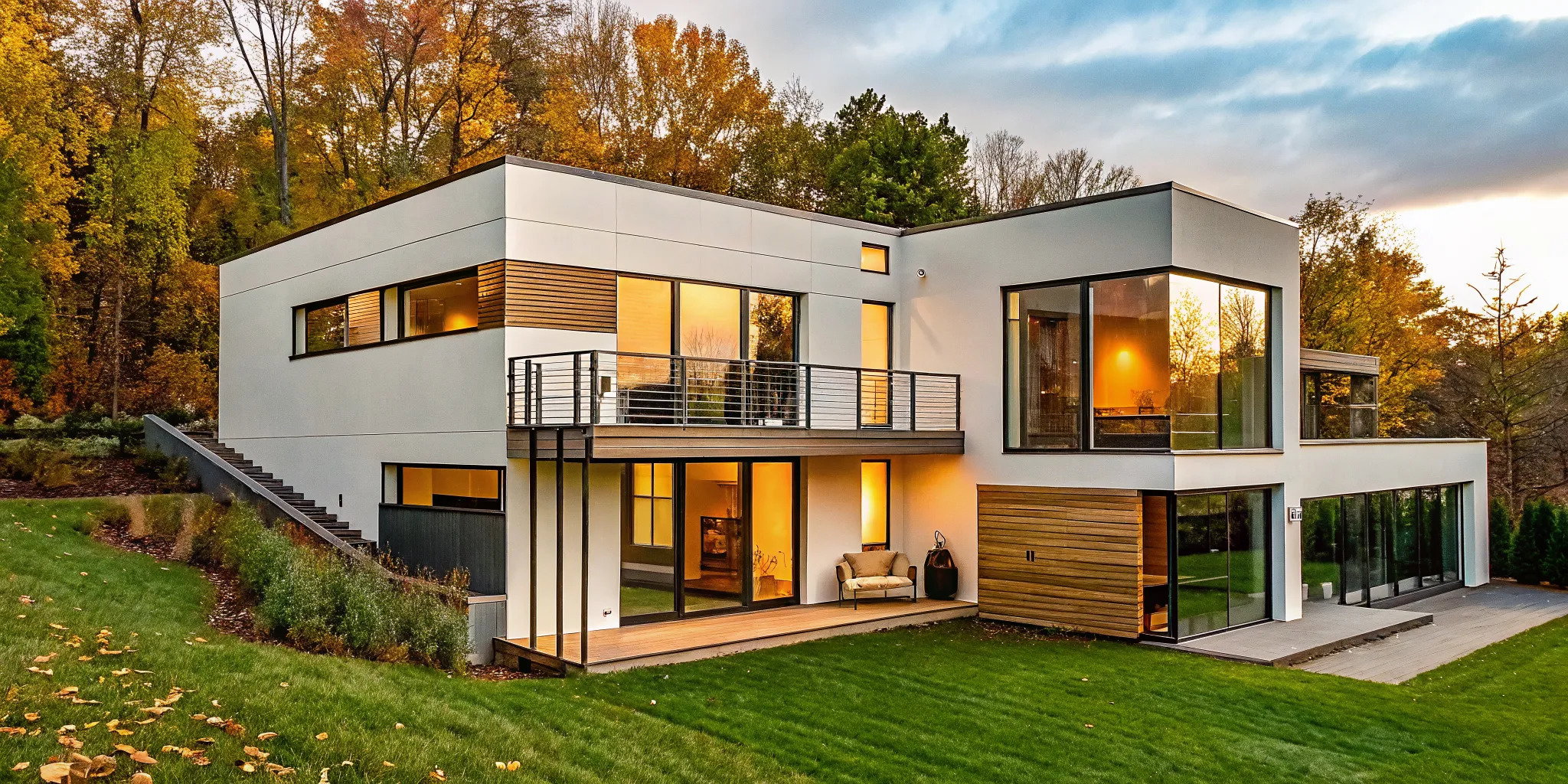
When you hear the term “mobile home,” what comes to mind? For many, it’s an outdated image that doesn’t reflect the reality of today’s housing market. It’s time for a fresh look. Modern manufactured and modular homes are a world away from the stereotypes of the past. Built with precision engineering in state-of-the-art facilities, these homes offer exceptional quality, energy efficiency, and design flexibility. In this guide, we’ll bust the common myths and show you what today’s high-quality prefab mobile homes are really all about. We'll cover everything from their durable construction to their impressive resale value, giving you the facts you need.
Key Takeaways
- Embrace a smarter building method: Prefab homes are built in a factory while your land is prepared at the same time, resulting in a faster move-in, higher quality control, and a more energy-efficient home.
- Look beyond the base price for a true budget: Your total investment includes the home itself plus essential site work like the foundation, utilities, and permits. Planning for these costs from the start ensures a smooth financial process.
- Create your vision by choosing the right team: Modern prefab homes offer extensive customization, from floor plans to finishes. A trustworthy builder is your most important partner, guiding you through the design and construction process.
What is a Prefab Home?
If you’re exploring new home options, you’ve likely come across the term “prefab.” So, what exactly is a prefab home? The name is short for prefabricated, which simply means the major components of the house are built in a factory before being transported to your land for final assembly. Think of it as a smarter, more efficient way to build. Instead of constructing a home piece by piece outdoors and exposed to the elements, a prefab home is built in a climate-controlled environment where quality and precision are top priorities.
This modern approach to home building streamlines the entire experience, from initial design to move-in day. Because the construction happens off-site, your land can be prepared at the same time, cutting down on the total project timeline. "Prefab" is an umbrella term that covers a few different types of our homes, each with its own unique building process and standards. Understanding these differences is the first step in finding the perfect fit for your family and lifestyle.
How Are They Built?
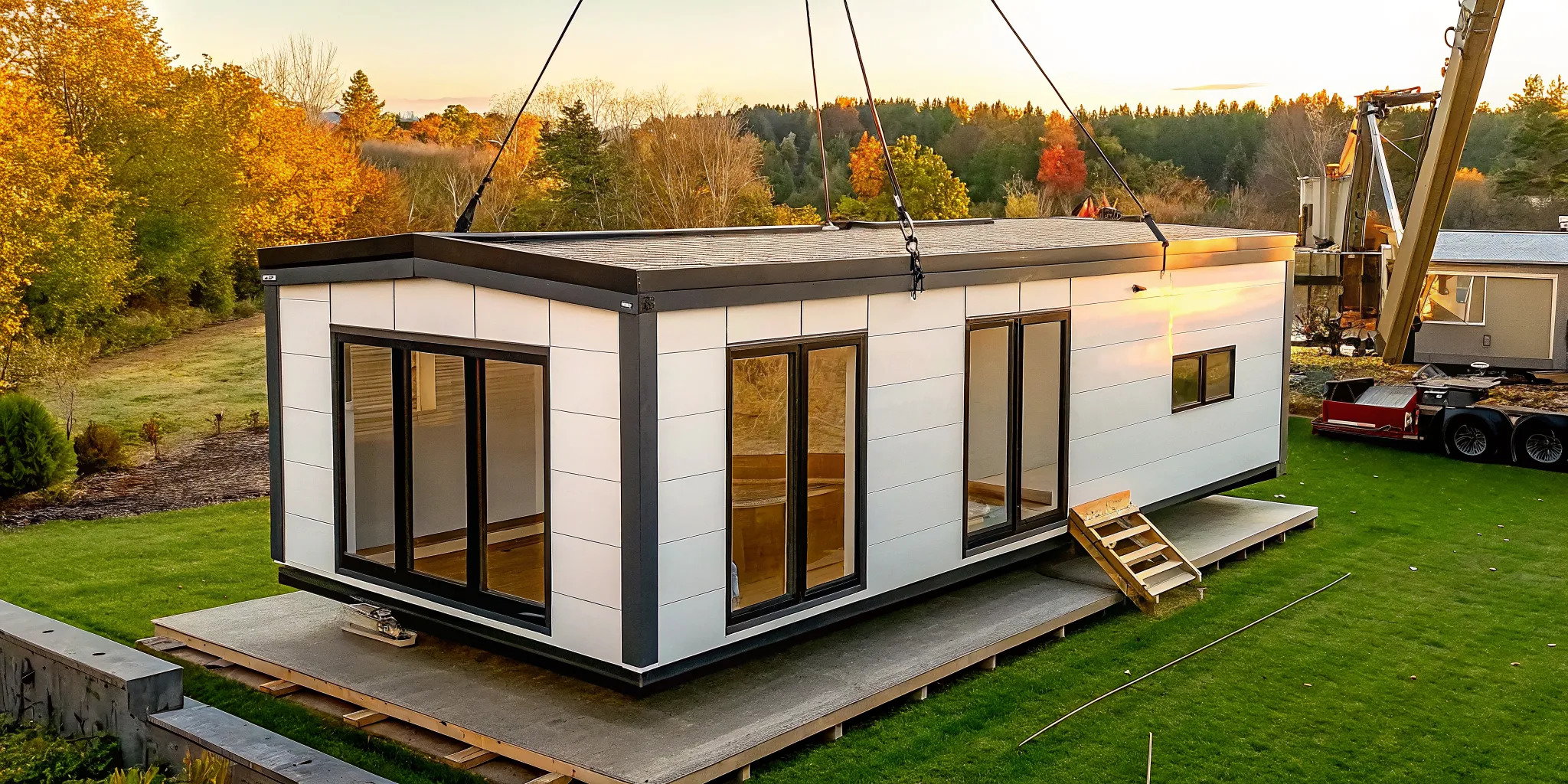
The construction of a prefab home is a tale of two timelines running in parallel. While your home's sections are being expertly crafted inside a factory, a separate crew is on your property preparing the site. This includes clearing the land, pouring the foundation, and setting up utility connections like water, sewer, and electricity. This concurrent work is the secret to the speed of prefab construction. It eliminates many of the weather-related delays that can stall a traditional home build for weeks or even months.
Once the factory work is complete, the finished sections are carefully transported to your land. From there, they are set onto the foundation, joined together, and sealed. The final steps, known as the "button-up," involve finishing the interior and exterior details and connecting the utilities. This entire streamlined our process means you can often be in your new home in a fraction of the time it takes to build a traditional house.
What Are the Different Types?
While all built in a factory, not all prefab homes are the same. The two main types you’ll find are manufactured and modular homes. Manufactured homes are built on a permanent steel chassis and conform to a strict federal building code from the U.S. Department of Housing and Urban Development (HUD). They can come as single-section homes for a compact, efficient layout or as multi-section homes for more spacious, family-friendly floor plans.
On the other hand, modular homes are built in sections, or "modules," that are transported to the site and placed on a permanent foundation with a crane. These homes are built to the exact same state and local building codes as a traditional, on-site built home, meaning they are essentially indistinguishable once complete. Both options offer incredible quality and customization, allowing you to design a home that truly reflects your vision.
How Much Does a Prefab Home Cost?
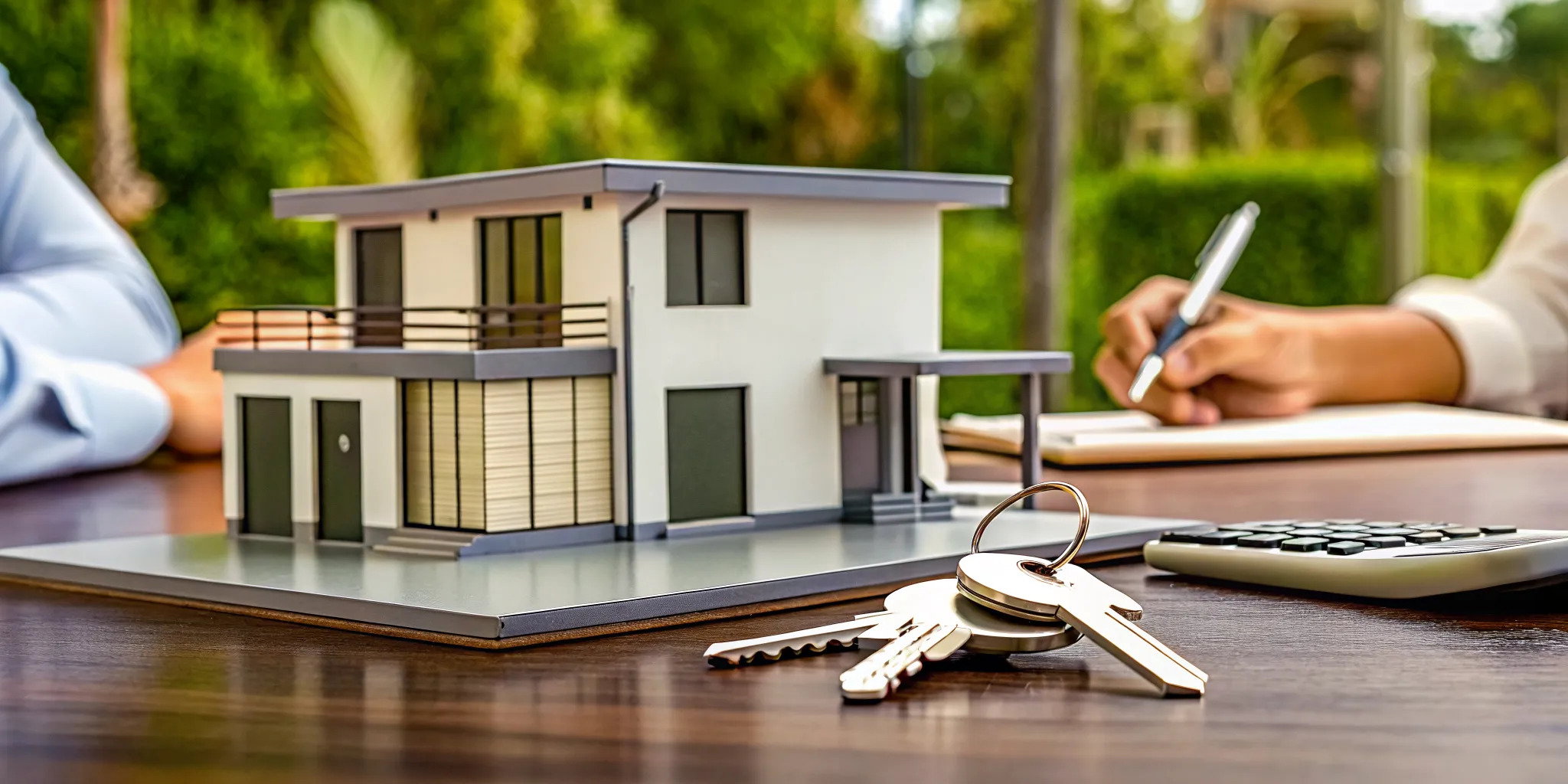
One of the first questions on anyone's mind when considering a new home is, "What's the final price tag?" With prefab homes, the answer is a bit more layered than just the sticker price. The total cost is a combination of the home itself and the work required to place it on your land. While this might sound complicated, it’s actually quite straightforward when you know what to expect. Think of it in two main parts: the base price for the structure and the site-specific costs for things like foundation, utilities, and permits.
The great news is that this building method often provides more cost certainty than a traditional site-built home. Because your home is constructed in a controlled factory environment, you avoid unexpected expenses from weather delays or material damage. At Northern Mobile Homes, we believe in transparency, so we walk you through every potential cost from the very beginning. Our goal is to help you create a realistic budget, ensuring there are no surprises along the way. We can even help you explore financing options that cover the entire project, from the house to the land it sits on.
Breaking Down the Base Price
The base price is what you pay for the physical home structure as it leaves the factory. This cost can vary widely, with some smaller, simpler modular homes starting under $50,000, while larger, more customized models can exceed $150,000. This price typically includes the standard finishes, fixtures, and construction of the home itself.
When you browse different home models, you'll see how size, layout, and included features affect this initial cost. A single-section home will naturally have a different starting price than a multi-section home with more square footage and bedrooms. The base price is your starting point, giving you a clear idea of the cost before adding any personal customizations or accounting for site work.
What Other Costs Should You Expect?
Beyond the base price of the home, you’ll need to budget for site preparation and finishing work. These costs are essential for turning your plot of land into a move-in-ready property. Think of things like permits, which can range from $3,000 to $8,000, and preparing the land itself. Site work can include clearing trees, grading the soil, pouring a foundation, and connecting to utilities like water, sewer, and electricity, which can cost anywhere from $3,000 to over $15,000.
You’ll also need to account for the cost of transporting the home to your property and the installation or "set-up" process. Other potential expenses include building a driveway, adding a garage, or landscaping. Our team outlines all these steps in our process to give you a complete picture of the total investment.
What Factors Affect the Final Price?
Several key factors influence the final cost of your prefab home. The size is one of the biggest drivers; a spacious multi-section home will cost more than a compact single-section model. The level of customization also plays a major role. Upgrading to premium countertops, high-end flooring, or custom cabinetry will add to the base price.
Location is another important factor, as land prices, labor rates, and permit fees vary by town and state. Finally, the complexity of your site can impact the budget. A sloped, rocky, or heavily wooded lot will require more extensive site preparation than a flat, clear one. Understanding these variables will help you and your builder create a home that fits both your vision and your budget.
What Are the Benefits of a Prefab Home?
If you’re exploring your options for a new home, you’ve probably realized that the traditional building process can be long, complicated, and full of surprises. Prefab homes offer a refreshing alternative by streamlining construction without sacrificing quality or style. Because the building process is so different, it comes with a unique set of advantages that address many of the common headaches associated with home building.
The magic happens by moving the majority of the construction into a controlled factory setting. This simple shift changes everything. It allows for a more efficient timeline, a higher level of quality control, and a more predictable budget. At the same time, modern prefab homes are designed with energy efficiency and personalization in mind. You get a home that’s built faster and stronger, costs less to operate, and is designed to fit your life perfectly. From getting your keys sooner to enjoying lower energy bills for years to come, the benefits make prefab living an incredibly smart choice.
Move In Faster
One of the most significant advantages of choosing a prefab home is the speed of construction. While your land is being prepared, your home is simultaneously being built in a factory. This parallel workflow cuts down the overall project timeline dramatically. Traditional on-site construction happens sequentially, so work can’t begin on the house until the foundation is complete. This process is also vulnerable to weather delays, subcontractor scheduling conflicts, and other on-site issues that can push your move-in date back by weeks or even months. With a prefab home, our process is designed for efficiency, getting you into your new home much faster.
Enjoy Quality You Can Trust
Prefab homes are built with exceptional precision and care. Constructing a home in a climate-controlled factory means that building materials are protected from the elements, preventing issues like warping, swelling, or mold. Every part of the home is built using specialized equipment and undergoes rigorous quality checks at each stage of construction. This factory-built method results in a home that is not only built to exacting standards but is also incredibly durable and structurally sound. Our commitment to quality craftsmanship ensures that every home we build is made to last, giving you peace of mind for years to come.
Save on Energy Bills
Modern prefab homes are designed to be highly energy-efficient, which translates directly into lower utility bills. They are constructed with precision, creating tighter seams and reducing air leakage. This means your home stays warmer in the winter and cooler in the summer with less effort from your HVAC system. Many of our homes also include features like upgraded insulation, ENERGY STAR® appliances, and high-efficiency heating and cooling systems. These thoughtful additions not only make your home more comfortable but also reduce your environmental footprint and save you money every month.
Customize Your Dream Home
Forget the outdated idea that prefab homes are one-size-fits-all. Today’s manufactured and modular homes offer an incredible amount of design flexibility, allowing you to create a space that’s uniquely yours. You can choose from a wide variety of floor plans and then personalize your home with your choice of finishes, fixtures, and features. Whether you’re dreaming of a spacious kitchen with a large island, a cozy living room with a fireplace, or a luxurious primary suite, you can tailor the design to fit your lifestyle. Explore our multi-section homes to see just how much you can customize.
What to Know Before You Buy
Buying a home is one of the biggest decisions you’ll make, and it’s exciting to think about all the possibilities. Before you get too far into choosing floor plans and finishes, it’s smart to get a clear picture of the entire process. With a prefab home, the journey looks a little different than a traditional home purchase. You’ll need to think about where your home will go, how you’ll pay for it, and what to expect down the road. Getting these key pieces sorted out early on will make the rest of the experience much smoother.
We’ll walk through three major considerations: finding and preparing your land, understanding your financing options, and thinking about the long-term value of your home. Having a handle on these topics will help you move forward with confidence, knowing you’re making a well-informed choice for your future. Our team is here to guide you through every step, ensuring you have all the information you need. You can learn more about our approach by exploring our process from start to finish.
Finding and Preparing Your Land
One of the first things to figure out is where your new home will live. Whether you already own a piece of land or are currently searching for the perfect spot, it’s important to budget for site preparation. This part of the project often makes up a significant portion of the total cost, sometimes as much as 40% to 60%. Costs can include clearing trees, grading the property, and installing a foundation, septic system, and utilities. For example, leveling a sloped lot can add thousands to your budget. Thinking through these expenses upfront helps prevent surprises later on.
Understanding Your Financing Options
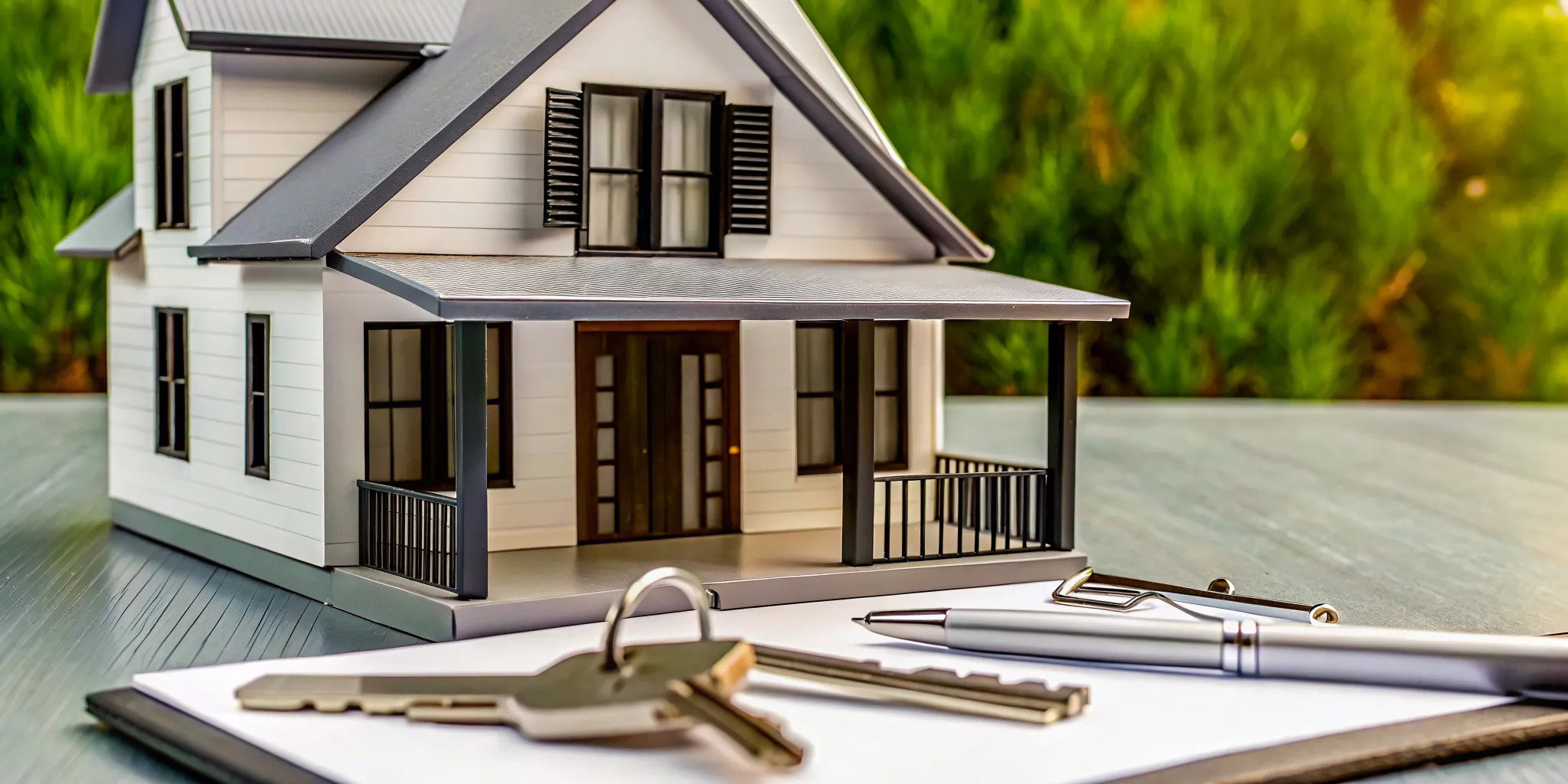
Financing a manufactured home is more straightforward than you might think. A great first step is to get pre-qualified for a loan. This will give you a clear idea of your budget and help you explore different financing options with confidence. Many people are surprised to learn that new manufactured homes built to federal HUD standards can qualify for traditional mortgages, like FHA or VA loans. These often come with more favorable interest rates compared to other loan types, making homeownership more accessible. We can help connect you with lenders who specialize in financing for manufactured homes.
Thinking About Resale Value
It’s natural to wonder about your home as a long-term investment. While there are old myths about manufactured homes not holding their value, today’s high-quality builds tell a different story. Modern manufactured homes are constructed with durable materials and precision engineering, making them a solid asset. Just like any home, its future value is influenced by factors like location, how well it’s maintained, and local market trends. When you build a quality home on land that you own, you’re making a smart investment that you and your family can enjoy for years to come.
How to Choose the Right Home Builder
Choosing your home is the fun part, but picking the right builder is arguably the most important decision you’ll make. This is the team you’ll partner with to bring your vision to life, so you want to find someone you trust completely. The right builder turns a potentially overwhelming process into an exciting and straightforward journey, while the wrong one can lead to delays, budget surprises, and a lot of stress. Think of it as hiring a guide for a major expedition; you want someone experienced, communicative, and dedicated to your success. A great builder will be your expert and your support system from the first design sketch to the day you get your keys. Finding a team that aligns with your values and understands your needs will make all the difference in creating a home you love for years to come. Here’s what to look for.
Look for a Streamlined Process
The home-building journey has a lot of moving parts, from design and financing to delivery and installation. A great builder brings all these steps together under one roof. Look for a company that offers a clear, streamlined process so you always know what to expect next. This includes transparent, factory-direct pricing, consistent communication, and dependable coordination of the delivery and setup. When a builder manages the logistics for you, you can focus on the exciting parts, like choosing your finishes, instead of getting bogged down in the details. A smooth process is a sign of an experienced and organized team.
Prioritize Quality Craftsmanship
Your new home is a significant investment, and you deserve to feel confident in its construction. One of the biggest advantages of prefab homes is that they are built in a factory-controlled environment. This allows for rigorous quality checks at every stage, ensuring the construction meets high standards before the home ever arrives on your land. When you’re vetting builders, ask about their construction methods and the materials they use. A reputable builder will be proud to show you examples of their high-quality homes and explain what makes their craftsmanship stand out. This focus on quality means you get a durable, well-built home designed to last.
Seek Out Personalized Service
Building a home is personal, and your builder should treat it that way. Look for a team that takes the time to listen to your needs and answer your questions with patience and expertise. You should feel like a valued partner, not just another project number. As one homebuyer noted about their experience, having a knowledgeable and patient salesperson made all the difference. This is especially true when working with a family-owned business that values relationships. A builder who provides personalized service will work with you to find the perfect floor plan, customize features, and make sure the final home is exactly what you dreamed of.
How to Finance Your Prefab Home
Figuring out the financing for your new home can feel like a huge task, but it doesn’t have to be complicated. Whether you’re a first-time buyer or downsizing, understanding your options is the first step toward making your dream home a reality. At Northern Mobile Homes, we guide you through the entire journey, and that includes finding the right financial path for you. There are a few common ways to finance a prefab home, each with its own set of benefits. Let’s walk through what you can expect.
Chattel Loans vs. Traditional Mortgages
When you start looking into loans, you’ll likely hear two terms: chattel loans and traditional mortgages. The main difference comes down to whether your home is considered personal property or real estate. Chattel loans are often used for manufactured homes that aren't permanently attached to the land. On the other hand, a traditional mortgage is used when the home is permanently affixed to a foundation on land you own. Many modern manufactured homes that meet HUD standards can qualify for regular home loans, which is great news because they usually come with lower interest rates and better terms than chattel loans.
Exploring Government-Backed Loans
Don’t forget to look into government-backed loans, as they can be a fantastic resource. Programs like FHA and VA loans are designed to make homeownership more accessible, and they are often available for qualifying manufactured homes. These loans can be a more affordable financing route, especially for first-time homebuyers. Exploring these options can open up possibilities you might not have considered. Our team can help you understand if you qualify and what the application process looks like, so you can explore all your financing options.
What to Expect for Down Payments and Rates
Beyond the base price of your home, it’s smart to budget for a few other expenses. Your down payment will vary, but you should also plan for costs like permits, which can run from $3,000 to $8,000. You’ll also need to cover site preparation. This includes things like digging, connecting utilities, and laying the foundation, and it can range from $3,000 to over $15,000. If you’re placing your home on leased land, factor in monthly lot rent, which can be anywhere from $200 to $800 or more. Understanding these costs upfront is a key part of our process and ensures there are no surprises along the way.
Common Myths About Prefab Homes, Busted
If you’ve started looking into prefab homes, you’ve probably heard a few things that gave you pause. It’s a housing option that has changed dramatically over the decades, but unfortunately, its reputation hasn’t always kept up. Many of the common ideas people have about manufactured and modular homes are based on outdated information from a completely different era of construction. It’s time to clear the air and look at the reality of today’s high-quality prefab homes.
Let's walk through some of the most persistent myths you might encounter. Understanding the facts can help you feel more confident as you explore your options and decide if this path to homeownership is the right fit for you. From durability and design to long-term value, the truth about modern prefab homes is often much more impressive than the fiction. We'll separate the outdated stereotypes from the current standards so you can make an informed choice for your future.
Myth: They Aren't Built to Last
Let’s tackle the biggest misconception right away: the idea that prefab homes are flimsy or temporary. Nothing could be further from the truth. Today’s manufactured homes are built in climate-controlled facilities to meet strict federal standards set by the Department of Housing and Urban Development (HUD). Modular homes are built to the same state and local building codes as any traditionally built house. In fact, because they are constructed indoors, the materials are protected from weather damage during the building process. This controlled environment often results in a tighter, more durable, and more energy-efficient home, which can mean lower utility bills for you down the road.
Myth: You Can't Customize the Design
The old image of identical, boxy mobile homes is long gone. Modern prefab homes offer an incredible amount of design flexibility. You aren't just picking a model from a catalog; you're creating a space that fits your lifestyle. You can choose from a wide variety of floor plans, from cozy single-section layouts to spacious multi-section family homes. Beyond the layout, you can select your own finishes, including flooring, cabinetry, countertops, and fixtures. This level of personalization ensures your new house truly feels like your own unique home, tailored specifically to your tastes and needs.
Myth: They Don't Hold Their Value
This is a nuanced topic, but the idea that prefab homes automatically depreciate is outdated. The value of any home, whether prefab or site-built, is tied to factors like location, land ownership, and how well it’s maintained. When a manufactured or modular home is placed on a permanent foundation on land that you own, it can appreciate in value right alongside its site-built neighbors. Securing the right financing options is also key, as a traditional mortgage treats the home as real estate. With high-quality construction and proper care, your home is a valuable asset for the future.
Prefab vs. Traditionally Built Homes: What's the Difference?
When you picture your dream home, you probably think about the finished product: the cozy living room, the kitchen where you’ll make memories, and the front porch perfect for relaxing. But the path to getting there can look very different depending on how your home is built. While both prefab and traditionally built homes result in a beautiful place to live, their construction processes have some key distinctions in quality, cost, and timing. Understanding these differences will help you decide which route is the best fit for your family and your timeline.
Comparing Quality and Materials
One of the biggest advantages of a prefab home is the quality control that comes from being built indoors. Each section of your home is constructed in a climate-controlled factory, which means the building materials are never exposed to rain, snow, or humidity. This prevents common issues like warped wood or potential mold growth. At Northern Mobile Homes, we use precision equipment and follow strict quality checks at every stage. This factory setting allows for a level of consistency and precision that’s hard to match on an outdoor construction site, where the quality can often depend on weather conditions and the specific crew on-site that day.
A Look at the Overall Cost
It’s a common question: are prefab homes more affordable? In many cases, the answer is yes. The efficiency of the factory process plays a huge role here. Building indoors eliminates costly weather delays, and we can use materials more effectively, which means less waste. Because the construction timeline is shorter and more predictable, labor costs are also lower. This doesn't just mean a lower price tag; it means the final cost is much more predictable. You can move forward with confidence, knowing your budget is less likely to be derailed by unexpected site issues, making the financing process much smoother.
Which is Faster and More Convenient?
If you’re eager to move into your new home, the construction speed of a prefab home is a game-changer. The building process is incredibly efficient because we can work on your home and your land at the same time. While your foundation is being poured and utilities are being connected on-site, the sections of your home are already being built in our factory. With a traditional build, everything has to happen one step at a time. This streamlined approach, which you can learn more about in Our Process, means you can be settled into your new home in a matter of months, not a year or more.
What to Look for in a Prefab Home
Once you’ve found a builder you trust, you get to move on to the most exciting part: designing your home. This is where your vision starts to take shape, from the overall layout to the smallest finishing touches. Knowing what to look for can help you create a space that’s not only beautiful but also functional, efficient, and built to last. It’s about more than just picking paint colors; it’s about making smart choices that will serve you and your family for years to come.
Think about how you live your life day-to-day. Are you an entertainer who needs an open-concept kitchen and living area? Or does your family need separate, quiet spaces for work and relaxation? Considering these questions will help you prioritize what matters most. From there, you can explore the features that make a modern prefab home so appealing, like energy-saving appliances and smart home technology. Finally, don't forget to look into the support and warranties your builder offers. A great home comes with peace of mind, knowing you have a team behind you long after you move in.
Finding the Perfect Floor Plan
The floor plan is the heart of your home’s design. It dictates the flow of your daily life, so it’s important to choose one that fits your lifestyle. Do you prefer the single-level convenience of a Ranch-style home or the classic, family-friendly layout of a Cape Cod? Today’s prefab homes offer a wide variety of layouts, so you don’t have to compromise. You can explore different single-section homes for a cozy, efficient space or look at multi-section designs for more room to spread out. Think about your current needs and your plans for the future to find a layout that you’ll love for years.
Choosing Smart and Efficient Features
Modern manufactured homes are designed for comfort and efficiency. When designing your home, look for features that will help you save on utility bills and make your life easier. Many homes now include upgraded insulation, efficient HVAC systems, and ENERGY STAR® appliances that significantly lower your energy costs over time. You can also add smart home technology to control your lighting, temperature, and security from your phone. These features aren’t just trendy gadgets; they are practical additions that add real value and convenience to your home, making it more comfortable and affordable to run.
Understanding Warranties and Support
A beautiful home is only as good as the company that stands behind it. Before you finalize your purchase, make sure you understand the warranties and support your builder provides. A reputable builder will offer a clear, comprehensive warranty that covers structural elements and major systems. They should also have a transparent and supportive process from start to finish. Look for a team that offers clear communication, guidance on financing options, and dependable delivery and installation. This level of service ensures you have a partner you can count on, giving you confidence in your investment.
Is a Prefab Home Right for You?
Choosing a new home is one of the biggest decisions you’ll ever make. While prefab homes offer incredible benefits like speed, quality control, and affordability, they aren’t the perfect fit for everyone. The right choice depends entirely on your budget, timeline, and long-term goals. If you’re wondering whether a manufactured or modular home aligns with your vision, it helps to think through a few key questions.
By looking at who benefits most from this style of living, what long-term factors you should consider, and how to approach your final decision, you can move forward with confidence. This isn’t just about buying a house; it’s about finding a home that truly works for you and your family. Let’s walk through what you need to know to figure out if a prefab home is your ideal path to homeownership.
Who Benefits Most from Prefab Living?
Prefab homes are a fantastic option for a wide range of people, but they’re especially well-suited for certain situations. If you’re a first-time homebuyer, the affordability of a prefab home can make ownership more accessible than a traditional site-built house. The same goes for those looking to downsize for retirement or seeking a simpler lifestyle without a massive mortgage.
Because they are built so efficiently, prefab homes are also a great choice for anyone on a tight timeline. If you need to relocate for a new job or simply want to avoid a long, drawn-out construction process, you can be in your new home much faster. Environmentally conscious buyers also appreciate the factory-building process, which minimizes waste and creates a more energy-efficient final product.
What to Consider for the Long Term
Before you commit, it’s important to look at the big picture. One of the first steps is preparing your land, which includes securing permits, clearing the site, and setting up utilities like water, sewer, and electricity. This process requires careful planning and coordination. You’ll also want to think about financing. While getting a loan for a prefab home is common, the process can differ from that of a traditional home, so it’s wise to explore your financing options early on.
It’s also worth considering how your home will fit into the local real estate market over time. While modern prefab homes are built to last and can appreciate in value, factors like location and upkeep play a huge role. Thinking through these long-term logistics will help ensure a smooth and successful home-buying experience.
How to Make Your Final Decision
Ultimately, the choice comes down to your personal priorities. If a streamlined, predictable building process and a quicker move-in date are at the top of your list, a prefab home is an excellent choice. You can avoid many of the weather delays and on-site problems that can plague traditional construction.
To make a final decision, start by creating a detailed budget. Be sure to account for the cost of the land, site preparation, permits, and any custom finishes you want to add to your home. Then, compare that total to the cost of a comparable site-built home in your area. By weighing the financial aspects against your lifestyle needs and timeline, you can clearly see which path makes the most sense for you. Our team is always here to help you understand our process and what to expect.
Related Articles
- Manufacturers - Northern Mobile & Manufactured Homes
- Skyline Lake Manor Series - Achiever 6903
- Skyline Shore Park 1902SL
- Inventory Archive - Northern Mobile & Manufactured Homes
Frequently Asked Questions
What's the real difference between a manufactured and a modular home? Think of it this way: both are built in a factory, but they follow different rulebooks. A manufactured home is built to a national code from HUD, which ensures it meets high standards for safety and construction. A modular home, on the other hand, is built to the same state and local building codes as a traditional, site-built house. Once it's placed on its foundation, a modular home is essentially identical to its site-built neighbors in the eyes of inspectors and appraisers.
Do I need to own land before I talk to a builder? Not at all. In fact, it can be really helpful to start the conversation with a builder first. We can help you understand what to look for in a piece of land, including what makes a site good for a prefab home and what potential site preparation costs might look like. Getting pre-qualified for financing early on will also give you a clear budget for both the land and the home, which makes the entire search process much more focused and efficient.
How long does the entire process usually take from start to move-in? While every project is unique, you can generally expect to be in your new home much faster than with a traditional build. Because we build the home in a factory while the land is being prepared simultaneously, we cut out a lot of the waiting time. Once your permits are in place and your home's design is finalized, the entire process from the start of construction to move-in day can often be completed in a matter of months, not a year or more.
Are there special zoning rules or restrictions for prefab homes? Zoning regulations can vary quite a bit from one town to the next, so it's an important factor to consider. Some areas may have specific rules regarding home types or foundation requirements. The good news is that you don't have to figure this out alone. As part of our process, we help you understand the local requirements for your specific piece of land to ensure your new home will meet all the necessary codes and regulations before we even begin.
What exactly is included in the home's base price versus site costs? The base price covers the physical structure of the home as it's built in the factory. This includes all the standard construction, finishes, and fixtures like cabinetry, sinks, and flooring. Site costs are separate and cover everything needed to prepare your land and install the home. This includes expenses like permits, foundation work, utility hookups for water and electricity, and the final setup of the home on your property. We provide a clear breakdown of all these costs so you have a complete financial picture from the start.

Northern Mobile Homes NH
Northern Mobile Homes stands out as New Hampshire’s best option for manufactured homes, thanks to our unbeatable combination of exceptional service, affordable prices, and a vast selection. Visit us today to experience why local homebuyers consistently choose New England Mobile & Manufactured Homes as their trusted home dealer. New England Mobile & Manufactured Homes is the best choice for your manufactured or mobile home in Rochester, NH.
Get started with Northern Mobile Homes NH
Find, design, and order your next home in a few clicks.
Dealer License #: