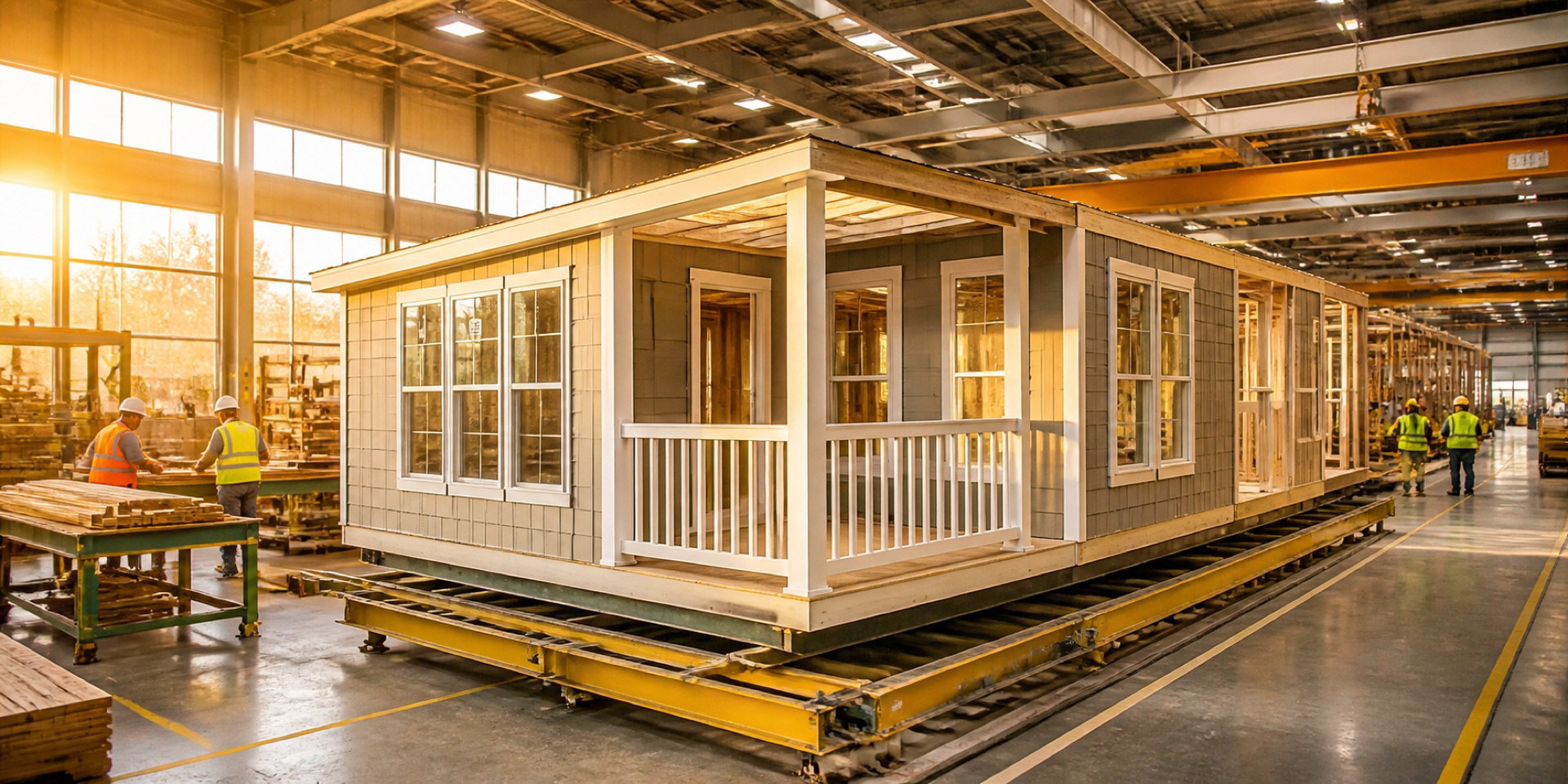
Chattel Loans for Manufactured Homes in California vs. Traditional Mortgages
Comparing chattel loan financing vs. traditional mortgages for manufactured homes in California
My new blog post
7/17/2026
Look at the homes I sold!
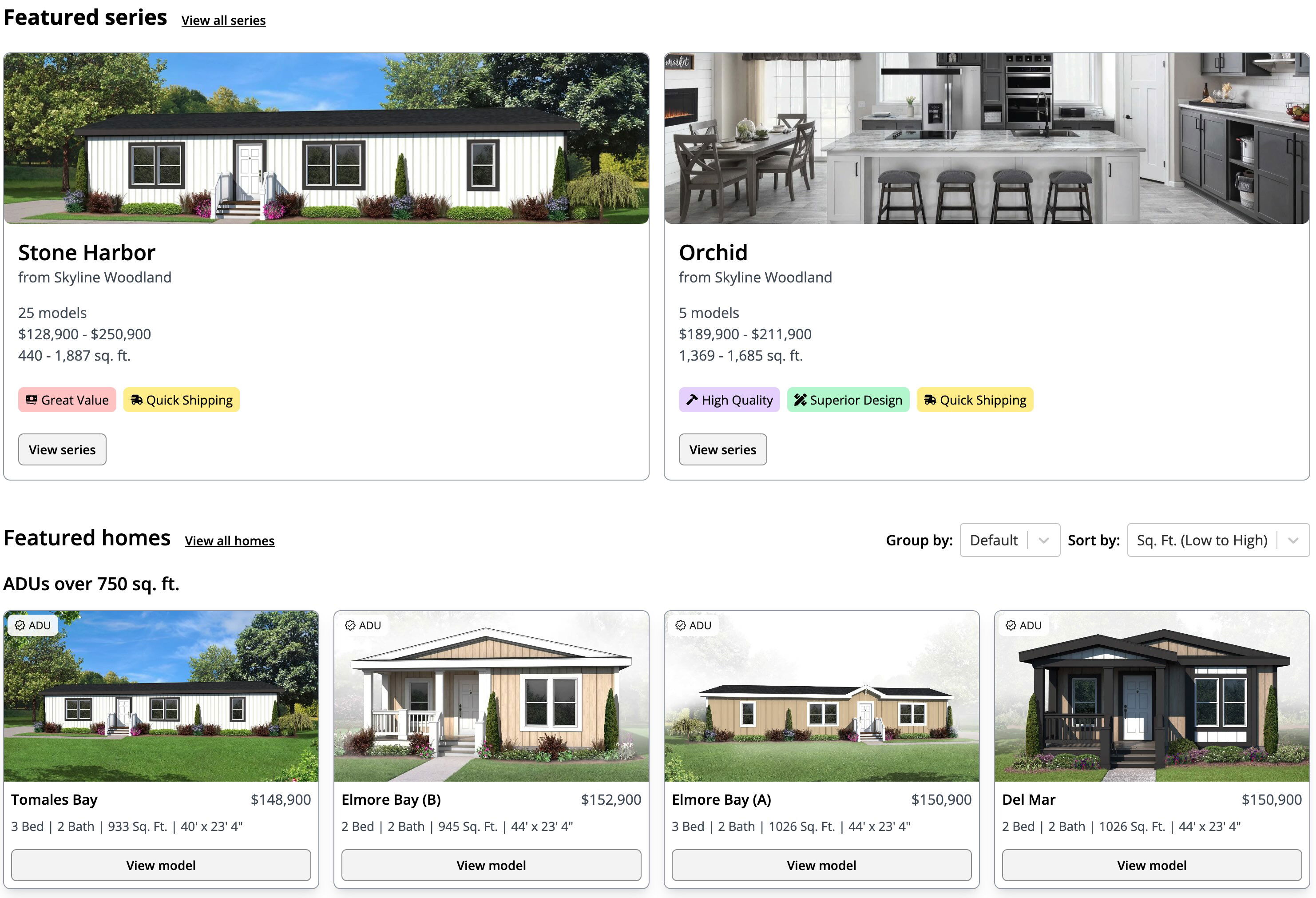
Here are some of the homes I sold last month.
Home 1
Home 2
Securing a home loan in the expensive West Coast market often feels impossible for many buyers. In a state where a standard site-built home averages about $905,000, choosing a manufactured home is a smart way to build long-term wealth. Making this choice work requires finding the right loan program for your specific land situation and budget.
Schedule Your Free Financing Consultation Today →
Determining the right chattel loans for manufactured homes in California depends mostly on land ownership. If you plan to place your home on leased land in a community, a chattel loan lets you finance the home as personal property rather than real estate.
According to reports from the Consumer Financial Protection Bureau, chattel loans represent about 42% of all manufactured housing loans nationwide. While these personal property loans offer faster approvals and easier qualification terms, they also carry higher interest rates and fewer legal protections than real estate mortgages.
If you own the underlying land, a traditional manufactured home mortgage is usually a much better financial deal.
Before you choose a lender or sign any paperwork, you must understand how these two financing paths actually work. Knowing the details of each option helps you protect your retirement savings or take your first step onto the property ladder. Here is a clear look at how chattel loans compare to traditional mortgages for manufactured homes in California.
Chattel Loans For Manufactured Homes In California: What Are Chattel Loans for Manufactured Homes?
Home financing generally splits into traditional mortgages and chattel loans. Traditional mortgages cover real estate, while chattel loans apply to personal property. When you buy a manufactured home, you might hear this term often. It is a specific type of loan meant for high-quality, modern homes that do not sit on a permanent foundation on owned land. Understanding how these loans work can help you find the right path to homeownership.
Personal Property vs. Real Estate
The main difference between a traditional mortgage and a chattel loan comes down to how the law views the home. If a home sits on land that you own and is permanently attached, it is titled as real property. If the home sits on leased land or in a community, it is titled as personal property. Financing your manufactured home investment depends on this legal split. A chattel loan is secured only by the home itself, not the land. Which is why lenders treat it as a personal property loan rather than a real estate mortgage.
A chattel loan is a personal property loan used to finance a manufactured home when you do not own the land underneath it. Unlike traditional mortgages, these loans have easier credit requirements and faster closings, but they typically carry higher interest rates.
A Common Path to Homeownership
According to research by the Consumer Financial Protection Bureau, about 42% of manufactured home purchase loans are chattel loans. This statistic from a CFPB report shows how popular this option is for buyers. Many people choose this path because chattel loans often have easier credit and down payment requirements than standard mortgages. However, they also tend to carry higher interest rates and offer fewer consumer protections.
How Land Ownership Affects Titling
Whether you own the land under your home plays a key role in how your home is titled. According to data from the CFPB research report, not owning the land makes it very likely your home will stay titled as personal property. If you choose to rent a lot in a community, a chattel loan is often your only financing option. If you decide to buy land later, you can often convert your title from personal property to real property. This change allows you to refinance your chattel loan into a traditional mortgage, which can help lower your monthly costs.
Traditional Mortgages for Manufactured Homes: When Do They Apply?
Buying a home in California is a major step. With traditional site-built homes reaching an average cost of about $905,000, many buyers look for smart alternatives. Modern manufactured homes offer excellent quality and craftsmanship at a much lower cost, averaging about $123,000 in California. This price difference makes financing your manufactured home investment a vital path to building real equity. To get a traditional mortgage for one of these homes, you must meet key real property guidelines.
Traditional mortgages for manufactured homes require you to own the land, permanently attach the home to a HUD-compliant foundation, and title the home as real property. They offer lower interest rates and stronger consumer protections than chattel loans.
The Real Property Requirement
To qualify for a traditional home loan, your manufactured home cannot remain classified as personal property. The distinction between personal and real property has major implications for your security of tenure and total loan costs. For a mortgage to apply, you must permanently attach the home to land that you own. You will also need to complete a formal process to title both the structure and the land together as real property under California state law. Placing the home on a permanent foundation is the main step that allows you to transition your home title and secure standard real estate financing.
Foundation Guidelines and Titling
Lenders look closely at how a manufactured home is installed before they approve a mortgage. Your home foundation must meet the strict standards set by the federal government. Specifically, the installation must follow the permanent foundation guide created by the Department of Housing and Urban Development (HUD). To verify this, a licensed professional engineer must inspect and certify the foundation system. Once the foundation is certified and the local county records the home as real property, your home can appreciate in value like a site-built house.
Mortgage Options and Terms
Once your home qualifies as real property, you can choose from several strong mortgage options. Federal Housing Administration (FHA) Title II loans are very popular because they offer low down payments and flexible credit guidelines. Department of Veterans Affairs (VA) loans are another great choice, providing excellent terms and zero down payment options for eligible military families. Conventional mortgages from major lenders are also available, often featuring competitive interest rates that are much lower than typical personal property loans.
Chattel Loan vs. Traditional Mortgage: Key Differences at a Glance
When you are looking at financing options for different home types, understanding the path you choose is vital. Choosing between a chattel loan and a traditional mortgage is a key decision for your housing journey. This choice will shape your monthly costs, your loan terms, and your long-term security. Let us look at how these two pathways compare for home buyers in California.
The main difference comes down to land ownership. Chattel loans work for homes on leased land and offer faster closings with easier credit. While traditional mortgages require owned land with a permanent foundation and deliver lower rates and stronger legal protections.
How Land Ownership Shapes Your Financing
Land ownership is the main factor that splits these two options. If you plan to lease a space in a home park, you will likely need a chattel loan. A chattel loan is a personal property loan secured by the home itself rather than the land, as outlined by the Consumer Financial Protection Bureau. But if you own the land and plan to place your home on a permanent foundation, you can seek a traditional mortgage instead.

Key Differences in Rates and Rules
These two loan types differ in rates, terms, and rules. Chattel loans often feature easier qualification rules, but they come with higher interest rates and fewer consumer protections than mortgages. Because the chattel market is concentrated among few lenders, buyers face higher denial rates and find it harder to refinance their loans later. A traditional mortgage offers lower rates and stronger buyer protections, but it requires stricter credit checks and land ownership.
| Feature | Chattel Loan | Traditional Mortgage |
|---|---|---|
| Property Type | Personal property (home only) | Real property (home and land) |
| Land Requirement | Leased land, family land, or parks | Owned land on a permanent foundation |
| Interest Rates | Higher rates (typically 1.5% to 5% more) | Lower standard real estate rates |
| Credit Score Required | Flexible (often down to 580 or lower) | Stricter (often 620 or higher) |
| Rate Type | Mostly fixed rates, some variable | Fixed or adjustable real estate rates |
| Refinancing Ease | Harder to refinance later | Easier to refinance if rates drop |
Evaluating Your Long-Term Goals
Each option serves a different kind of buyer. First-time buyers may use chattel loans to enter the market quickly. Downsizers may choose them to preserve retirement equity without buying a parcel of land. As you look at your budget, comparing these pathways will help you find the best way to secure financing your manufactured home investment for the years ahead.
How to Qualify for a Chattel Loan in California
Securing a chattel loan is a direct path to homeownership when you do not own the land. Because these personal property loans are backed by the home itself, they typically feature easier qualification requirements than traditional mortgages. By following a clear series of steps, you can prepare a strong application and secure your new home.
To qualify for a chattel loan in California, aim for a credit score of 620 or higher. Save a 5% to 10% down payment, gather your income documents, and compare multiple specialized lenders to find the best rate.
Step 1: Review Your Credit Profile
Lenders will first look at your credit history to evaluate your risk. For most programs, a credit score of 620 or higher is preferred to qualify for chattel loans for manufactured homes in California. Some specialized lenders can work with scores down to 600 if you have a stable income. To get the best rates and terms, aim for a credit score of 650 or higher.
Step 2: Prepare Your Down Payment
You will need to save money for your initial payment and transaction fees. Most lenders ask for a down payment of 5% to 10% of the home's purchase price. You should also budget for closing costs and fees, which typically add another 2% to 5% of the loan amount. A larger down payment can help you secure a lower interest rate.
Step 3: Organize Your Financial Documents
Lenders need to verify that you have a steady income to make your monthly payments. Gather your recent W-2 forms, tax returns, and pay stubs before you apply. If you are self-employed, you will need to provide two years of business tax returns and bank statements. Having these documents ready will speed up the review process.
Step 4: Compare California Lenders
The chattel lending market is highly concentrated, with only a few major lenders active in the space. Because options are limited, comparing rates and terms across different companies is essential. Working with a retailer that has established connections can simplify this search and help you find a lender that matches your specific credit profile.
- Check your credit score: Pull your credit report to verify your score and correct any errors before lenders review your file.
- Save for upfront costs: Set aside at least 10% to 15% of your target home price to cover your down payment and closing fees.
- Gather your income proofs: Collect your pay stubs, W-2s, and tax papers to prove you have a steady cash flow.
- Shop and compare loans: Apply with multiple chattel lenders to find the best interest rates and loan terms for your budget.
- Get pre-approved: Secure a pre-approval letter so you know your exact budget before you shop for your manufactured home.
What Are the Risks and Benefits of Each Financing Option?
Choosing how to pay for your home is a major step. It is helpful to weigh the pros and cons of chattel loans versus traditional mortgages. Each path has distinct effects on your wallet, your land options, and your peace of mind over time.
Chattel loans offer faster entry and easier credit but come with higher rates, fewer protections, and harder refinancing. Traditional mortgages deliver lower rates and stronger protections but require owned land, a permanent foundation, and stricter credit.
The Pros and Cons of Chattel Loans
Personal property loans, known as chattel loans, are a common path for buyers. A key benefit is that chattel loans typically feature easier qualification requirements compared to traditional mortgages. They also allow you to buy a home without owning the land beneath it. This makes them ideal if you plan to lease a site in a land-lease community.
However, these loans come with clear trade-offs. Borrowers with chattel loans frequently encounter higher interest rates than those with manufactured housing mortgages. These rates can make your monthly payments much higher. Furthermore, chattel loan borrowers are less likely to refinance their loans later on. This means you may get stuck with a high rate even if market conditions improve. You also face fewer consumer protections if you fall behind on your payments. Finally, consumers who do not own the underlying land are more likely to see their homes depreciate over time, as noted by the Consumer Financial Protection Bureau.
The Pros and Cons of Mortgages
Traditional mortgages offer a stable path if you want to attach your home to land you own. The biggest benefit is cost. Mortgages feature lower interest rates and stronger consumer protections. Securing a mortgage also opens up the path for future refinancing and helps you build long-term equity.
But mortgages have strict limits. You must place the home on land you own, and you must title the property as real estate. This process takes more time and requires higher upfront costs. Borrowers with chattel loans face higher denial rates for financing applications than manufactured housing mortgage borrowers. Showing that mortgages can be harder to secure if your credit profile is not perfect.
Finding the Right Path for You
The manufactured housing lending market, particularly chattel lending, is concentrated among fewer lenders than the market for mortgages on site-built homes. Because of this tight market, finding a good lender on your own can be hard. To make this easier, Northern Mobile Homes partners with multiple lending partners to expand approval opportunities for diverse credit profiles. This partnership helps you explore your choices and secure the best terms for financing your manufactured home investment in California.
Which Financing Option Is Right for Your Manufactured Home?
Buying a manufactured home is a great way to build equity without the high cost of site-built real estate. In California, where the average traditional home costs about $905,000, a manufactured home averages just $123,000 according to local market data. This huge price gap makes finding the right loan essential. To make the best choice, you must weigh land ownership, your budget, and how fast you want to close.
Choose a traditional mortgage if you own the land and want lower rates and long-term equity. Choose a chattel loan if you plan to lease land in a community and need a faster closing with easier credit requirements.
When to Choose a Traditional Mortgage
A traditional mortgage is best if you plan to buy both the home and the land together. To qualify for conventional or FHA manufactured home loans, you must place the home on a permanent foundation on land you own. This setup titles the home as real property, which helps you build long-term equity. Mortgages also offer lower interest rates and stronger consumer protections than personal property loans, though the qualification process is often much stricter.
When to Choose a Chattel Loan
If you plan to place your home in a land-lease community or on a family member's land, a chattel loan is often the right fit. These loans are secured by the home itself rather than the land. According to the Consumer Financial Protection Bureau, about 42% of buyers choose chattel loans for manufactured homes in California and across the nation. Chattel loans offer faster closings and easier credit terms, but they usually come with higher interest rates.
Making the Best Financial Choice
Your path to homeownership depends on your long-term goals and your current financial profile. To help you navigate these options, Northern Mobile Homes offers dedicated financing your manufactured home investment assistance. We partner with multiple lenders to help match you with the best loan options for your budget and credit score. Whether you want a low-interest mortgage or a fast-closing chattel loan, our team guides you through every step of the process.
Ready to Explore Your Financing Options? Contact Northern Mobile Homes →
Frequently Asked Questions
What is the best chattel loan lender?
There is no single best lender, but buyers should compare top national lenders who specialize in personal property loans. Large institutions like 21st Mortgage Corporation, Triad Financial Services, and Cascade Land Home Loans are widely used. Because the chattel market is highly concentrated, working with a builder like Northern Mobile Homes can help you connect with multiple lending partners to compare rates and find the right fit for your budget.
What credit score do you need for a chattel loan?
Most lenders look for a credit score of 575 to 620 or higher to approve chattel loans for manufactured homes in California. While these personal property loans have easier qualification rules than traditional mortgages, a higher score will help you secure a lower interest rate. If you have a lower score, you can still get approved by offering a larger down payment, often between 10% and 20% of the home purchase price.
Is it hard to get approved for a chattel loan?
No, it is generally easier to qualify for a chattel loan than a traditional mortgage because the loan is secured only by the home itself, not the land. However, data from the Consumer Financial Protection Bureau shows that chattel applications face higher denial rates than traditional home mortgages. Working with a specialist who understands manufactured home financing can improve your chances of approval.
Can you convert a chattel loan into a traditional mortgage later?
Yes, you can convert your loan type over time. If you initially finance your manufactured home with a chattel loan on leased land and later purchase the land underneath it. You can retitle the home as real property. Once the home is placed on a permanent foundation and the county records it as real estate, you can refinance your chattel loan into a traditional mortgage. This conversion can lower your interest rate and give you stronger consumer protections, though it does require paying new closing costs.
Are chattel loan interest rates higher in California?
Chattel loan rates are generally higher than mortgage rates nationwide, and California is no exception. Borrowers typically pay 1.5 to 5 percentage points more in interest compared to traditional mortgage rates. However, California does offer some unique advantages. The state has a large concentration of manufactured home communities, which means more lenders compete for chattel business here than in many other states. Shopping around with multiple lenders is the best way to find a competitive rate.
Get Expert Guidance on Your Manufactured Home Financing
Understanding the difference between chattel loans and traditional mortgages is just the first step. The right financing choice depends on your specific situation, land ownership plans, and long-term financial goals. Northern Mobile Homes helps California home buyers navigate every aspect of manufactured home financing, from initial pre-approval to closing day. Our team works with multiple lending partners to find the best rates and terms for your unique profile. Whether you need a chattel loan for a community placement or a traditional mortgage for your own land.

Northern Mobile Homes
Northern Mobile Homes stands out as New Hampshire’s best option for manufactured homes, thanks to our unbeatable combination of exceptional service, affordable prices, and a vast selection. Visit us today to experience why local homebuyers consistently choose New England Mobile & Manufactured Homes as their trusted home dealer. New England Mobile & Manufactured Homes is the best choice for your manufactured or mobile home in Rochester, NH.
Get started with Northern Mobile Homes
Find, design, and order your next home in a few clicks.
Dealer License #: